
INTRODUCTION
The study was focused on Trivandrum as key geographical area. Kerala is known for leading the way in making positive changes in society. But different parts of Kerala have different ideas and customs. Trivandrum is a city which has a mix of urban and village life. By looking closely at Trivandrum, we can better understand people’s thoughts and feelings about this issue. The study aims to identify prevailing attitudes, concerns and rationale behind people support or opposition to the proposed change. By employing surveys, the research aims to understand the diverse perspectives and experiences of people across different age groups. The inclusion of public perspectives on the proposed legal amendment adds a contemporary dimension to the study, making it both timely and relevant to ongoing societal discussions. By understanding the public opinion, policymakers, and social activists can gain valuable insights to inform evidence-based strategies for addressing the challenges associated with early marriage. The survey was conducted through questionnaire circulated through google forms, based on their responses their perceptions are put forth in this Paper.
ANALYSIS
A. Age
The survey was conducted among respondents of different age groups.
Table 1
| AGE | FREQUENCY | PERCENTAGE |
|---|---|---|
| 18-24 | 32 | 35.6 |
| 25-34 | 41 | 45.6 |
| 35-44 | 7 | 7.8 |
| 45 and above | 10 | 11.1 |
Fig..1
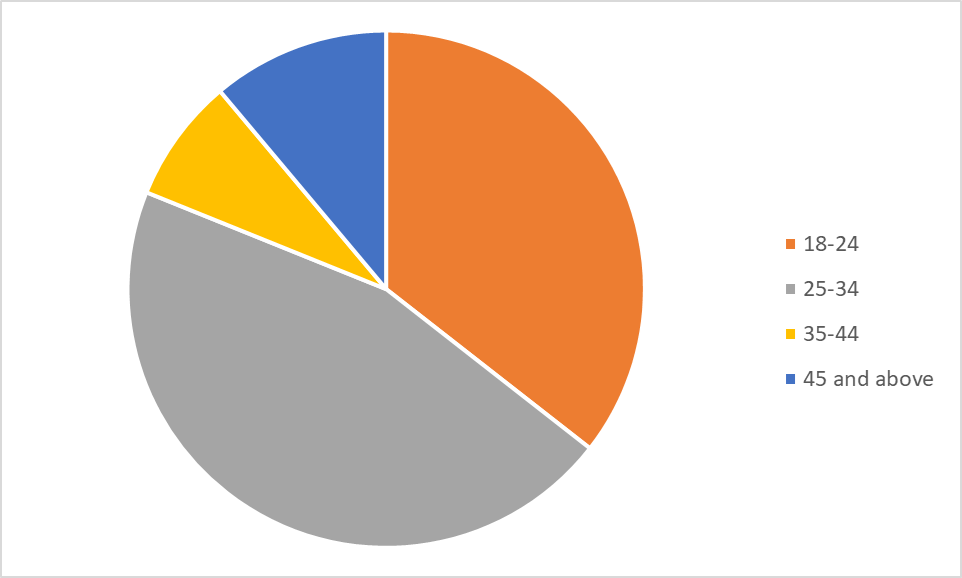
In the survey the total response was 90 out of which 45.6% are from the age group of 25-34, 35.6% are from the age group of 18-24,11.1% from the age group of 45 and above and rest are from the age group of 25-34.
B. Gender
Table 2
| GENDER | FREQUENCY | PERCENTAGE |
|---|---|---|
| FEMALE | 61 | 67.8 |
| MALE | 29 | 32.2 |
Fig. 2
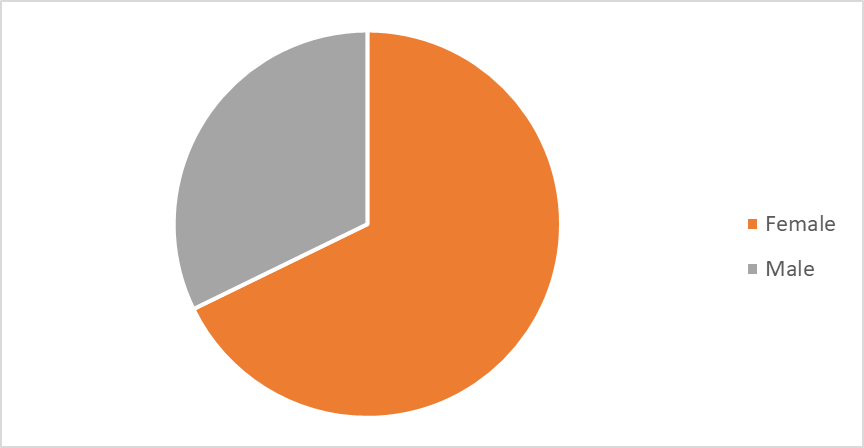
It is observed that out of 90 responses 67.8% are female and 32.2% are males who gave their true opinions for the survey.
C. Awareness of the Legal Age of Marriage
Table 3
| LEGAL AGE | FREQUENCY | PERCENTAGE |
|---|---|---|
| YES | 90 | 100 |
Fig 3
The data in Table 1.1.3 shows that all 90 respondents (100%) are aware of the legal age for marriage. This indicates that every person surveyed has knowledge about the legal marriage age.
D. Awareness of the Proposed Bill
Table 4
| PROPOSED BILL | FREQUENCY | PERCENTAGE |
|---|---|---|
| NO | 10 | 11.1 |
| YES | 80 | 88.9 |
Fig 4
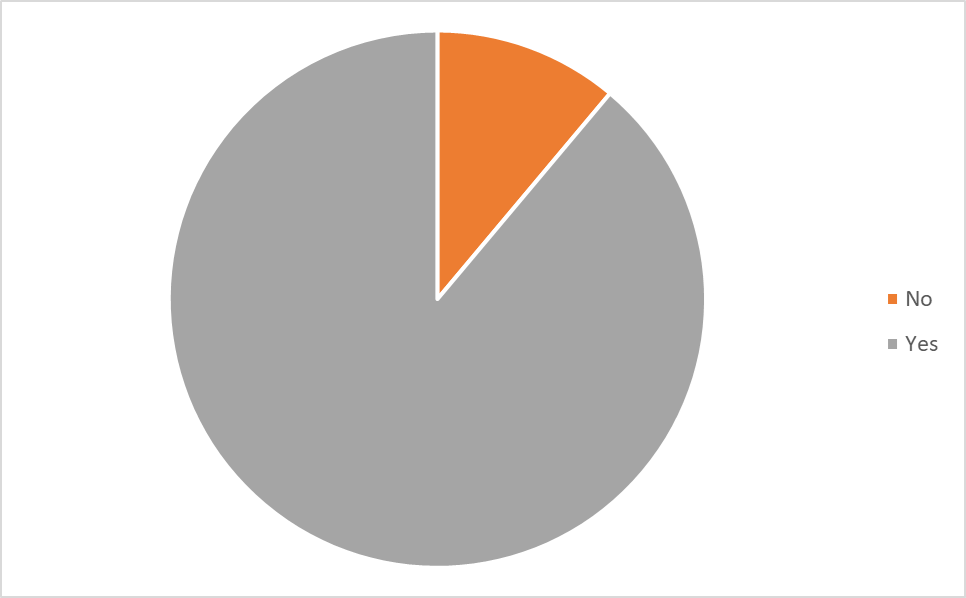
The data in Table 1.1.4 indicates that 88.9% are aware of the proposed bill, while 11.1% are not aware of it. This suggests that the vast majority of the surveyed individuals have knowledge of the proposed legislation.
E. Personally Support Higher Marriage Age for Women
Table 1.1.5
| PERSONALLY SUPPORT | FREQUENCY | PERCENTAGE |
|---|---|---|
| NO | 6 | 6.7 |
| YES | 84 | 93.3 |
Fig 5
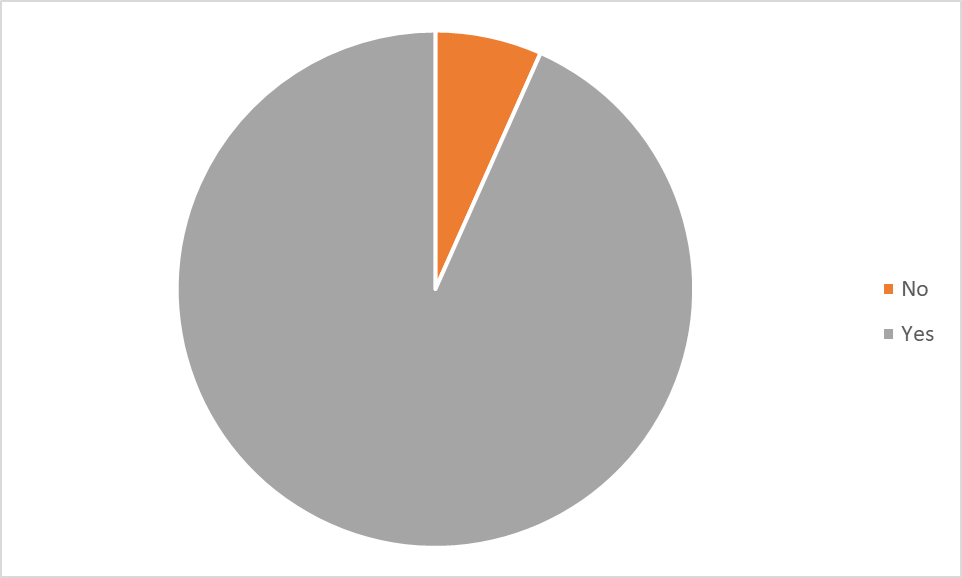
Table 1.1.5 reveals that a significant majority of the respondents, 84 out of 90, personally support raising the marriage age for women. This indicates that many are favoring the idea of increasing legal age of marriage for women
F. Raising Marriageable Age will Reduce Child Marriage
Table 6
| REDUCE CHILD MARRIAGE | FREQUENCY | PERCENTAGE |
|---|---|---|
| AGREE | 72 | 80 |
| DISAGREE | 18 | 20 |
Fig 6
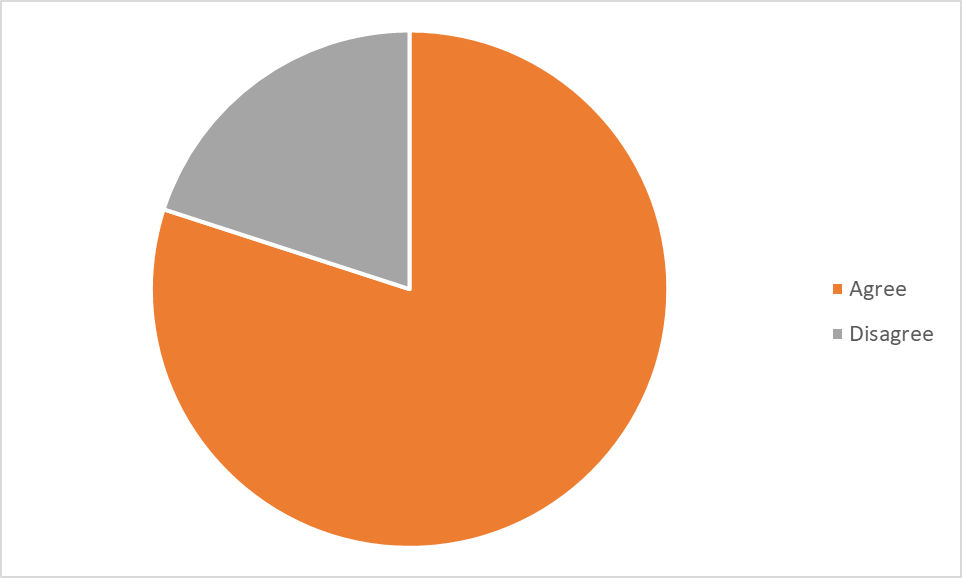
The data shows that a majority of respondents 80%, agree that raising the marriageable age will help reduce child marriage. In contrast ,20% disagree with this view. This indicates that most people surveyed believe that increasing the legal marriage age may help to combat child marriage.
G. Higher Marriage Age Contributes Positively to Women’s Health
Table 7
| HEALTH OUTCOME | FREQUENCY | PERCENTAGE |
|---|---|---|
| Yes | 75 | 83.3 |
| No | 15 | 16.6 |
Fig 7
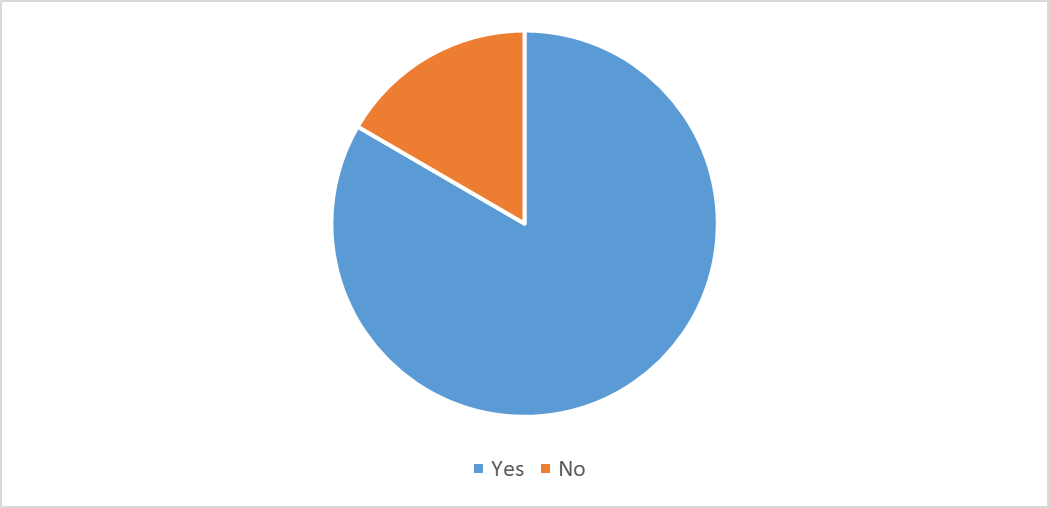
The data indicates that a large majority of respondents 83.3% believe that a higher marriage age contributes positively to women’s health. Meanwhile remaining have an opposite view. This suggests a strong consensus among the surveyed individuals that delaying marriage has beneficial health impacts for women.
H. Raising Marriage Age will have Positive Impact on Women’s Education
Table 8
| WOMEN’S EDUCATION | FREQUENCY | PERCENTAGE |
|---|---|---|
| AGREE | 85 | 94.4 |
| DISAGREE | 5 | 5.6 |
Fig 8
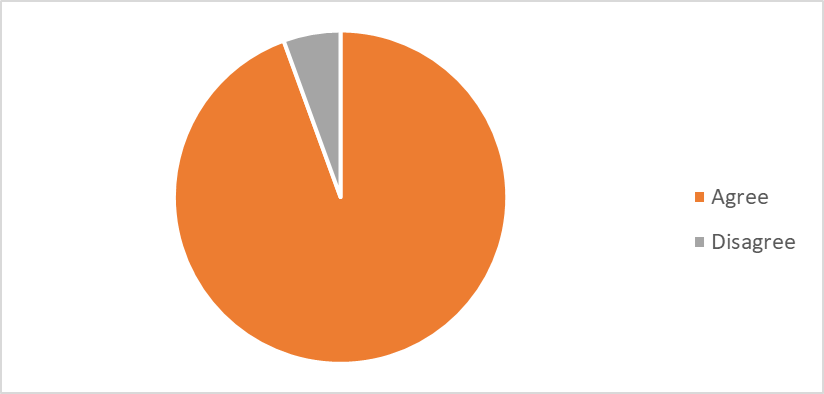
Table 1.1.8 shows that a vast majority of respondents, 94.4%, agree that raising the marriage age will have a positive impact on women’s education. Only 5 respondents 5.6% disagree with this view. This indicates a strong consensus among the surveyed individuals that delaying marriage can significantly benefit women’s educational opportunities.
I. Traditional Communities will Oppose Raising the Marriage age for Women
Table 9
| TRADITIONAL COMMUNITIES | FREQUENCY | PERCENTAGE |
|---|---|---|
| NO | 10 | 11.1 |
| YES | 80 | 88.9 |
Fig. 9
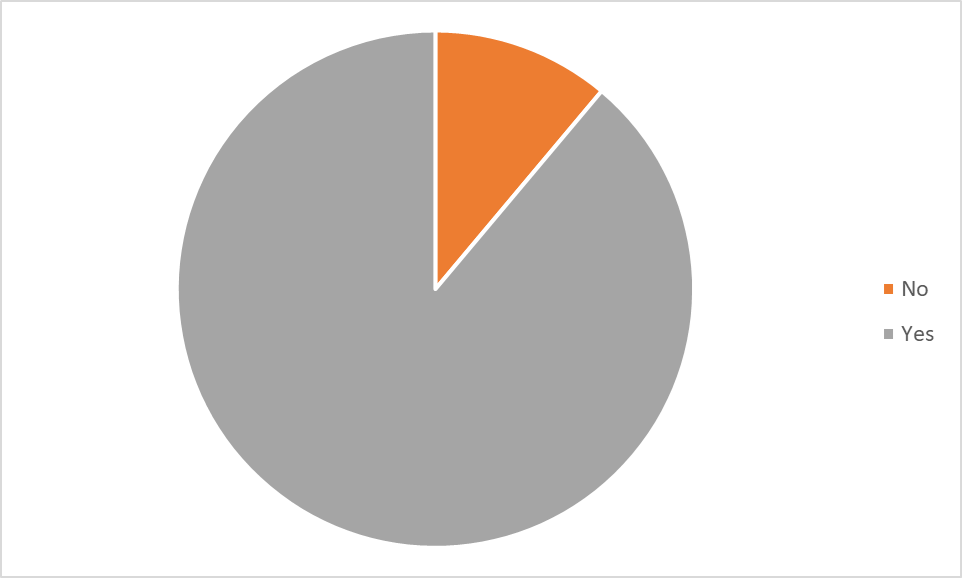
Table 1.1.9 reveals that a substantial majority of respondents, 88.9%, believe that traditional communities will oppose raising the marriage age for women. Only 11.1% think that traditional communities will not oppose this change. This indicates a prevalent expectation among the surveyed individuals that traditional communities are likely to resist increases in the legal marriage age for women.
J. Equal Marriage Age for Men and Women
Table 10
| EQUAL AGE | FREQUENCY | PERCENTAGE |
|---|---|---|
| NO | 20 | 22.2 |
| YES | 70 | 77.7 |
Fig 10
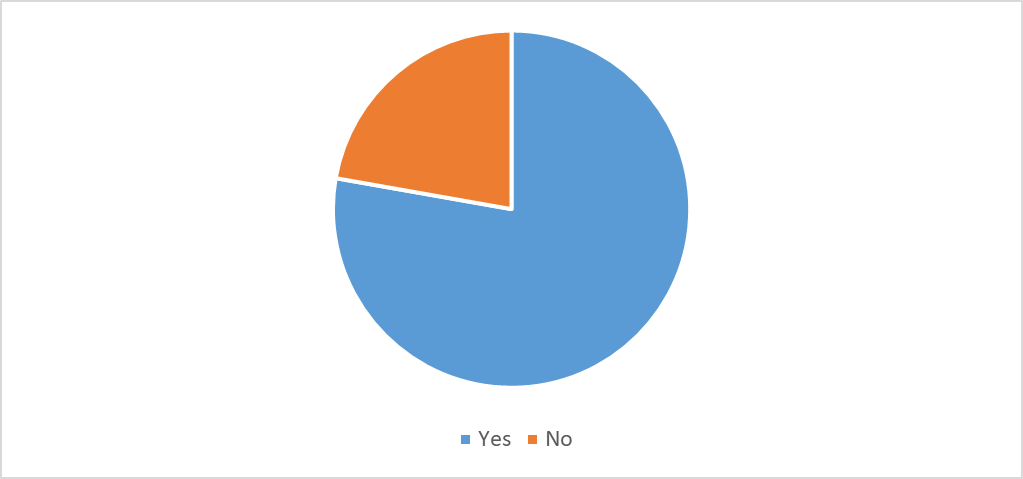
Table 1.1.10 indicates that a majority of respondents, 77.7%, support having an equal marriage age for both men and women. In contrast, 20 respondents 22.2% do not support this idea. This suggests that most people surveyed favor equality in the legal marriage age for both genders.
K. Family members in communities will support raising the marriage age of women
Table 11
| FAMILY MEMBERS | FREQUENCY | PERCENTAGE |
|---|---|---|
| NO | 20 | 22.2 |
| YES | 70 | 77.8 |
Fig 11
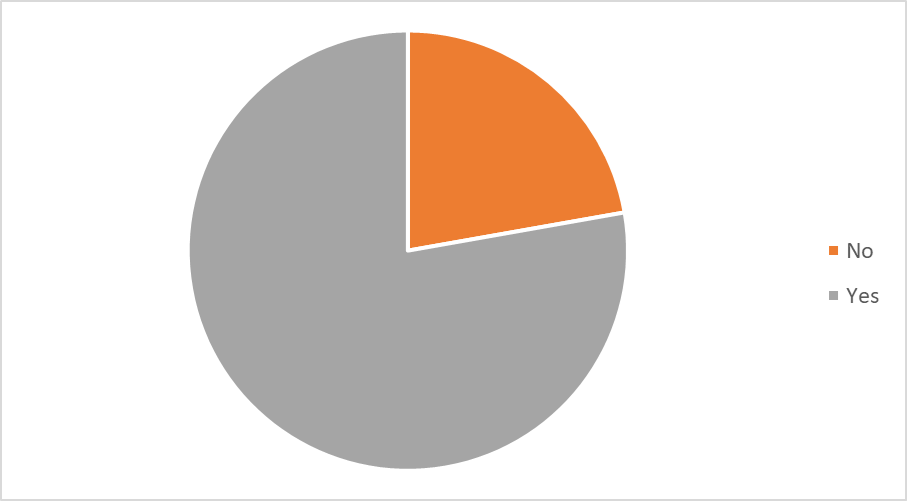
Table 1.1.11 shows that a significant majority of respondents, 77.8%, believe that family members in their communities will support raising the marriage age for women. Conversely, 20 respondents think that family members would not support this change. This indicates strong community backing for increasing the legal marriage age for women
L. Raising Marriageable Age Leads to Gender Equality
Table 12
| GENDER EQUALITY | FREQUENCY | PERCENTAGE |
|---|---|---|
| NO | 34 | 37.8 |
| YES | 56 | 62.2 |
Fig. 12
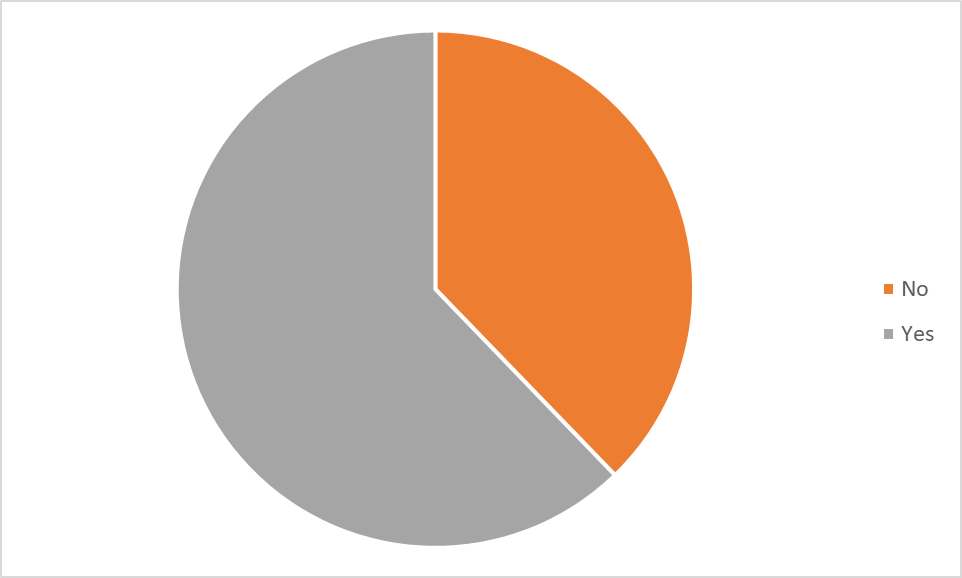
Table 1.1.12 shows that a majority of respondents 62.2%, believe that raising the marriageable age contributes to gender equality. However, 37.8% do not share this view. This indicates that a significant portion of the surveyed group sees a higher marriage age as a step towards gender equality while a notable minority disagrees with the same.
The survey aims to evaluate two key hypothesis.
H1. Raising marriageable age to 21 brings gender parity in society.
H2. Cultural beliefs and traditional practices regarding marriage create significant resistance to the effective implementation of Child Marriage Amendment Bill.
The existing laws governing the marriage age in India, where the legal age for women is 18 and for men is 21 contributes to gender inequality and hinders women empowerment.1 The survey data strongly supports the first hypothesis that increasing the marriage age of women will contribute to gender equality. There is no doubt that early marriage significantly reduces educational opportunities for girls. Once married, many young women drop out of school, limiting their ability to gain skills and knowledge.2 Research consistently shows that delaying marriage allows women to pursue higher education, which in turn enhances their social and economic opportunities. For example, a study by Raj & Boehmer (2013) indicates that women who marry later generally have higher educational attainment and better economic prospects, supporting the idea that increased marriage age is associated with greater gender equality.3 Also Early marriage is associated with wide range of negative health outcomes for women, including increased risk of maternal mortality. Women who marry later are less likely to experience complications related to early marriage. Educated women are more likely to seek health care and make informed decisions regarding family planning.4All these indicate there is significant correlation between higher marriage age, education and improved health and empowerment outcome for women.5
So educational interventions and legal reforms are necessary to combat the prevalence of child marriage and promote women’s rights. The survey results also indicate that most respondents believe traditional communities will oppose raising the marriage age for women. This opposition could stem from deeply rooted cultural and societal norms that value early marriage. In many traditional communities, early marriage is often seen as a way to ensure social stability and economic security for families.
Studies have shown that in many societies, early marriage is closely tied to cultural identity and social structure, which makes altering these practices challenging.6Additionally, older generations may be resistant to change due to their adherence to tradition and fear of the unknown consequences of altering established customs7. Therefore, despite the potential benefits of raising the marriage age, overcoming the resistance from traditional communities will likely be a significant challenge.
CONCLUSION
The survey conducted among various individuals to know the public opinion regarding the idea of increasing the marriageable age for women in India has provided insightful data. The survey results reflect a shift in societal attitudes toward gender roles. The majority of respondents are aware of the current legal age of marriage for women in India and are informed about the recent government proposal to raise the marriage age. A significant portion of participants supports the idea of increasing the marriage age for women, believing that it can help reduce child marriage, improve women’s health, and have a positive impact on their education. However, there is some concern about opposition from traditional communities. Addressing the concerns of traditional communities will be crucial for successful policy implementation. Promoting awareness campaigns and community engagement are essential for changing perceptions about the appropriate age for marriage
FINDINGS
• Increasing the marriageable age of women contributes to gender equality and women’s empowerment by providing them with more opportunities for education, career development, and personal growth before entering marriage, thereby enhancing their socio-economic status and autonomy.
• Societal attitudes towards the proposed increase in the marriageable age of women are mixed, with some supporting it as a means to enhance women’s opportunities and independence, while others resist it due to traditional beliefs and concerns about cultural norms and family structures.
• Different marriage ages for men and women usually come from old traditions and cultural beliefs, where men were seen as the main earners and women is meant to look after the family, which created different age rules for marriage.
• The proposed marriageable age for women in India is lower than in many countries with similar socio-cultural contexts, where higher marriageable ages are often set to promote women’s education and economic participation.
• Enforcing the new marriageable age might be tough due to push back from traditional communities, problems with checking if people follow the rules, and legal or administrative issues that could make the policy less effective.
SUGGESTIONS
The proposed bill to increase the marriage age is a good step toward reducing child marriage and promoting gender equality. But Law alone cannot bring a change in the society; reformation is needed in the people’s mind. The government should implement comprehensive awareness programs to educate the public on the potential impacts and benefits of increasing the marriage age for women and should take steps for the effective implementation of the policy.
Based on the conclusion, here are research-based suggestions
• Equal Marriage Age for Men and Women: Setting the same marriage age for men and women is important to promote gender equality and remove age-based stereotypes.
• Raise Awareness About Health Benefits: Educate the public on how increasing the marriage age improves women’s health and reduces maternal mortality.
• Address Root Causes of Early Marriage: There is need to focus on solving the main problems behind early marriage, like poverty, lack of education, and traditional beliefs.
• Improve Education and Healthcare in Rural Areas: Build more schools and healthcare centers in rural areas to give girls better opportunities and reduce pressure to marry early.
• Empower Women Through Education and Skills Training: Provide education and job training for girls to help them become financially independent.
• Enforce Child Marriage Laws Strictly: Make sure child marriage laws are strictly followed and declare child marriages invalid from the start.
• Engage Community and Religious Leaders: Work with community and religious leaders to help them understand and support the change in marriage age.
*****
Footnotes
1. Santhya, K. G. Raising the Age of Marriage for Women: A Step Towards Gender Equality. Economic and Political Weekly (2019).
2. A. Raj & U. Boehme, The Impact of Early Marriage on Women’s Education and Empowerment, Journal of Adolescent Health, (2013).
3. Id
4. Duflo, E. Education and Marriage Age: A Review of Global Evidence. World Bank Policy Research Working Paper (2012).
5. Nanda, P, Marriage Age and Its Effects on Women’s Health and Empowerment. The Lancet Global Health (2020).
6. Srinivasan, Padmavathi; Khan, Nizamuddin; Verma, Ravi; Giusti, Dora; Theis, Joachim & Chakraborty, Supriti.(2015). District-level study on child marriage in India: What do we know about the prevalence, trendsand patterns? New Delhi, India: International Center for Research on Women.
7. UNICEF, Ending Child Marriage: A Profile of Progress in India ( 2019).