
Introduction
Education is a fundamental human right and an essential instrument for individual development, social participation, and national progress. An inclusive educational system recognizes the diverse learning requirements, abilities, communication preferences, and educational experiences of all learners. Students with hearing impairment represent an important group within the broader population of learners with disabilities. Their educational experiences are influenced by the degree and nature of hearing loss, age of onset, language development, communication preferences, educational background, availability of assistive technology, and the accessibility of the learning environment. Hearing impairment does not necessarily indicate an inability to understand, think, learn, or develop academically. Rather, educational difficulties frequently arise when the communication methods and instructional environments do not adequately accommodate students’ individual needs.
Communication plays a central role in teaching and learning because educational knowledge is transmitted through interaction between teachers, students, textbooks, learning materials, and the wider academic environment. In conventional classrooms, teachers commonly depend on spoken explanations, oral instructions, group discussions, audio-visual presentations, and verbal questioning. Students with hearing impairment may experience difficulties when these activities are not supported by captions, written instructions, sign language, visual demonstrations, or other accessible communication arrangements. Consequently, they may miss important classroom information, experience delays in understanding academic concepts, or participate less frequently in classroom discussions. Such barriers may influence confidence, motivation, academic engagement, and independent learning.
The development of Information and Communication Technology (ICT) has significantly expanded educational opportunities for students with disabilities. Digital textbooks, online learning platforms, video captioning, speech-to-text software, hearing-assistance systems, and electronic communication tools have improved access to educational information. Assistive technologies have also helped students communicate more effectively with teachers and peers. Nevertheless, traditional digital resources do not always provide individualized explanations, interactive responses, simplified academic language, or continuous learning support according to the specific requirements of individual students.
Generative Artificial Intelligence has introduced a new dimension to educational technology. Gen AI refers to artificial intelligence systems capable of generating new content, including written explanations, summaries, questions, examples, images, and other forms of information in response to user instructions. Examples include conversational AI systems, AI-supported writing assistants, and intelligent educational applications. Unlike conventional digital resources that primarily provide fixed information, generative systems can respond interactively to questions and produce explanations according to the learner’s requirements.
Generative AI may provide multiple opportunities for improving communication. A student can convert classroom notes into simplified written explanations, prepare questions before participating in a discussion, improve sentence construction, understand unfamiliar vocabulary, summarize lengthy academic passages, and use text-based interaction when direct verbal communication becomes difficult. Students can also use AI-supported transcription tools to access spoken information, provided that the selected system accurately recognizes the language and speech patterns involved.
Another important contribution of Generative AI relates to independent learning. Independent learning refers to the ability of learners to identify learning needs, establish educational goals, locate appropriate resources, understand information, monitor progress, and evaluate their learning outcomes. Students with hearing impairment may require additional support when accessing lectures, interpreting complex instructions, or understanding subject-specific terminology. Generative AI can potentially reduce some of these barriers by providing personalized explanations, practice questions, revision materials, and immediate feedback.
The relationship between Generative AI and independent learning is particularly important because educational success requires more than access to information. Learners must also develop self-confidence, critical thinking, problem-solving abilities, self-monitoring, and responsibility for their own academic progress. AI-supported learning can create opportunities for students to repeat explanations, ask questions without hesitation, revise concepts at their own pace, and explore additional examples. However, the educational value of such systems depends on the accuracy of generated information, the accessibility of interfaces, the digital literacy of students, and the guidance provided by teachers. The importance of inclusive educational technology is also reflected in Universal Design for Learning (UDL). UDL encourages multiple means of engagement, representation, and action and expression so that learners can access and demonstrate knowledge through different methods. CAST’s UDL Guidelines 3.0 (2024) emphasize learner agency, accessible technology, and multiple forms of communication.1 These principles are particularly relevant to students with hearing impairment because they encourage educational environments that respect individual communication preferences rather than expecting every learner to depend on a single communication method.
UNESCO’s guidance on Generative AI in education and research (2023) recognizes the potential of Generative AI to support accessibility through applications such as AI-enabled captioning, language assistance, and personalized educational support.2 However, UNESCO also emphasizes human-centered implementation, data protection, appropriate validation, and educational responsibility.3 Therefore, the use of Gen AI in special education must be examined not only in terms of technological innovation but also in relation to accessibility, educational equality, learner autonomy, and human rights.
In the Indian educational context, inclusive education is supported by constitutional principles, the Rights of Persons with Disabilities Act, 2016,4 the National Education Policy, 2020,5 and other educational and disability-related initiatives. These frameworks emphasize equitable access, participation, reasonable accommodation, and the use of technology to improve educational opportunities. Students with hearing impairment require accessible educational materials, appropriate communication support, qualified educators, and opportunities to participate in mainstream and specialized educational environments. The present research therefore focuses on understanding the relationship between Generative AI, communication development, and independent learning among students with hearing impairment. It seeks to examine whether structured use of Gen AI can improve students’ ability to communicate ideas, understand written information, participate in learning activities, and independently complete academic tasks. It also considers the limitations and ethical challenges associated with AI-based educational interventions.
A. Background and rationale of the study
The educational development of students with hearing impairment has historically been influenced by changes in communication approaches, assistive devices, educational policies, and teaching methodologies. Earlier educational approaches frequently depended on oral communication, speech training, lip-reading, written communication, and sign language. Contemporary inclusive education recognizes the importance of respecting individual communication preferences and providing multiple accessible methods of learning.
Communication barriers remain an important concern in educational institutions. Students may encounter difficulties understanding rapid classroom speech, following discussions involving several speakers, interpreting unfamiliar vocabulary, and obtaining clarification when teachers provide instructions orally. In higher education, these difficulties may become more complex because academic lectures frequently contain technical terminology, abstract concepts, lengthy explanations, and specialized subject-related language.
Although sign-language interpretation and captioning services can improve accessibility, their availability and quality may vary across institutions. Some students may not have access to qualified interpreters, reliable internet connectivity, appropriate captioning software, or trained personnel. Furthermore, communication requirements differ among students. Some prefer Indian Sign Language, some use spoken language, some depend on written communication, and others combine multiple communication methods.
Generative AI offers additional possibilities for addressing these educational challenges. AI-based conversational tools can provide text-based interaction, explain unfamiliar concepts, generate examples, and assist with academic writing. Speech recognition and transcription applications can convert spoken information into text, while AI-supported language tools can simplify complex passages and organize information into understandable formats.
The rationale for the present study is based on five major considerations.
• First, there is a need to strengthen communication opportunities for students with hearing impairment. Effective communication supports classroom participation, academic interaction, social relationships, and self-expression. Generative AI may help students prepare written responses, clarify ideas, improve vocabulary, and communicate more effectively with teachers and peers.
• Second, there is a need to promote independent learning. Students should not remain entirely dependent on teachers, interpreters, classmates, or family members for every academic activity. They require opportunities to access information independently, understand academic concepts, revise lessons, and solve problems. Gen AI may provide additional learning support according to individual requirements.
• Third, educational institutions increasingly use digital learning environments. Online classrooms, electronic assignments, educational applications, and digital libraries have become important components of contemporary education. However, digital education must be accessible to students with different communication requirements. The integration of Generative AI may support the development of more flexible and individualized learning environments.
• Fourth, there is a need for empirical evidence. Although AI applications are increasingly discussed in relation to disability and inclusive education, research specifically investigating the impact of Generative AI on both communication and independent learning among students with hearing impairment remains limited. Alkahtani reviewed AI applications for deaf and hard-of-hearing students and identified promising possibilities alongside limitations relating to research quality, accessibility, and long-term evidence.6 Zhang et al. also examined intelligent learning environments for college students with hearing impairment, demonstrating the importance of investigating learners’ perceptions and educational experiences.7
• Fifth, there is a need to ensure ethical and responsible use of AI. Students must understand that AI-generated information may contain inaccuracies, incomplete explanations, biased language, or inappropriate recommendations. Teachers should therefore guide students in verifying information, protecting personal data, and using AI as a learning assistant rather than as a substitute for independent thinking.
The study is consequently important for special educators, general educators, teacher educators, educational administrators, technology developers, researchers, and policymakers who are interested in improving inclusive educational practices.
B. Research objectives
This study has three research objectives:
Objective 1: To investigate the impact of Generative AI-based instruction on the communication skills of students with hearing impairment.
Objective 2: To investigate the impact of Generative AI on the independent learning skills of students with hearing impairment.
Objective 3: To analyze the perspectives and experiences of students with hearing impairment regarding the accessibility, educational benefits, and challenges associated with the use of Generative AI.
C. Research questions
The research questions are formulated in accordance with the stated objectives.
Question 1: To what extent does the use of Generative AI-supported learning influence the communication skills of students with hearing impairment?
Question 2: Does structured exposure to Generative AI improve the independent learning skills of students with hearing impairment compared with conventional learning support?
Question 3: What are the perceptions of students with hearing impairment regarding the usefulness, accessibility, effectiveness, and challenges of Generative AI in their educational experiences?
D. Research hypotheses
The following null hypotheses are proposed:
H01: There is no significant difference between the pre-test and post-test scores of communication skills among students with hearing impairment in the experimental group.
H02: There is no significant difference between the pre-test and post-test scores of independent learning skills among students with hearing impairment in the experimental group.
H03: There is no significant difference between the post-test scores of communication skills and independent learning skills among students with hearing impairment in the experimental group and the control group.
Review of literature
The review of related literature provides the theoretical and empirical foundation for understanding Generative AI, communication, independent learning, and educational accessibility for students with hearing impairment. The present review is organized around major conceptual and research-based contributions.
Inclusive education is based on the principle that all learners should receive meaningful educational opportunities irrespective of disability, communication differences, social background, or individual learning requirements. The Salamanca Statement, adopted under the auspices of UNESCO in 1994, established an important international foundation for inclusive education by emphasizing the responsibility of educational systems to accommodate diverse learners.8 This approach shifted attention from the perceived limitations of individual learners towards the identification and removal of environmental and instructional barriers. In its World Report on Hearing (2021), the World Health Organization emphasized that hearing loss can influence communication, education, employment, and social participation. The report also highlighted the importance of appropriate interventions, accessible services, and rehabilitation support.9 In educational settings, these considerations indicate that students with hearing impairment require appropriate communication arrangements and accessible learning resources. The United Nations Convention on the Rights of Persons with Disabilities (2006) recognizes the rights of persons with disabilities to education, accessibility, participation, and communication.10 Article 24 emphasizes inclusive education, while Article 9 addresses accessibility.11 These provisions provide an important foundation for introducing accessible educational technologies.
Assistive technology includes devices, software, and services that help individuals overcome functional barriers and participate in educational and social activities. For students with hearing impairment, relevant technologies include hearing aids, cochlear implants, personal FM systems, captioning applications, speech-to-text software, video communication platforms, and digital sign-language resources. Cook and Polgar explained that assistive technology should be selected according to the functional requirements, environmental conditions, and individual preferences of users.12 This perspective is important because technology should support the learner rather than impose a particular communication method. Edyburn discussed the role of assistive technology in special education and emphasized that effective technology integration requires attention to instructional needs, accessibility, and educational outcomes.13 The literature suggests that technology is most useful when it is integrated into meaningful teaching and learning activities. For students with hearing impairment, real-time captioning and speech recognition may improve access to spoken classroom information. However, automatic speech recognition may produce errors because of background noise, accents, technical terminology, and variations in speech patterns. Consequently, human verification remains important in educational environments.
Luckin et al. examined the potential of AI to support teaching and learning by providing individualized educational experiences. Their work highlighted the importance of understanding the relationship between human learning processes and technological systems.14 Zawacki-Richter et al., through a systematic review of AI applications in higher education, identified major research areas such as profiling and prediction, assessment and evaluation, adaptive systems, and intelligent tutoring. Their review also indicated the importance of examining pedagogical and ethical dimensions rather than focusing exclusively on technological development.15
Alkahtani reviewed twenty studies concerning the impact of AI on the quality of life of deaf and hard-of-hearing students. The review considered applications such as AI-supported captioning, interpreting, personalized tutoring, social robots, and assistive applications. The findings suggested potential benefits for communication, inclusion, academic participation, and independence, while also identifying limitations in sample sizes, longitudinal evidence, and technological accessibility.16 Bağcı presented a systematic review of AI applications for deaf and hard-of-hearing students, including research related to reading skills.17 This recent work further highlights the importance of developing evidence-based AI interventions for this population. Zhang et al. investigated intelligent learning environments for hearing-impaired college students through design-based research. Their study considered student perceptions and classroom presence, providing a useful foundation for examining how AI-supported environments may influence engagement and learning experiences.18 An interview study of students with disabilities on the use of Generative AI in higher education also identified both advantages and concerns. Students recognized the usefulness of conversational AI but raised issues relating to accuracy, accessibility, academic dependence, privacy, and the need for better multimodal support.19
Zimmerman described self-regulation as a self-directed process, rather than a fixed mental ability or skill, by which learners turn their abilities into academic skills. Learners develop academic goals, use appropriate strategies, monitor their performance, and make adjustments according to feedback.20 Knowles described self-directed learning as an approach in which individuals take initiative in identifying learning needs, determining goals, selecting resources, implementing learning strategies, and evaluating outcomes.21 Pintrich emphasized the role of motivation, cognition, and self-regulation in academic learning.22 These ideas are relevant to Gen AI because conversational tools may provide opportunities for students to set learning goals, seek explanations, practice concepts, and monitor their understanding. The CAST framework emphasizes multiple means of engagement, representation, and action and expression. It supports the use of different communication formats, accessible materials, and flexible methods of demonstrating learning.23
A. Research gap
The review of related literature identifies several important research gaps. First, although artificial intelligence and assistive technologies have been studied in relation to deaf and hard-of-hearing populations, there is comparatively limited empirical evidence focusing specifically on Generative AI as an educational intervention for students with hearing impairment. Second, existing research frequently focuses on technological accessibility, speech recognition, captioning, or communication applications. There is a need to investigate whether conversational Gen AI tools can also contribute to the development of broader communication competencies, including vocabulary, written expression, question formulation, academic discussion, and confidence in communication. Third, independent learning is an essential component of educational development, but its relationship with Generative AI among students with hearing impairment requires further investigation. In particular, more evidence is required regarding self-directed study, independent completion of assignments, information-seeking behavior, problem-solving, and self-assessment.
Fourth, there is a need for integrated studies that examine communication and independent learning together. Improvement in communication may contribute to better classroom participation, while improved independent learning may increase academic autonomy. The relationship between these two dimensions should therefore be investigated systematically. Fifth, research is needed in the Indian context, where students may use different languages, communication approaches, educational resources, and digital platforms. Accessibility requirements may vary according to educational level, institutional facilities, geographical location, and socioeconomic circumstances. Sixth, there is a need to investigate the challenges associated with Gen AI, including inaccurate information, limited recognition of Indian languages, insufficient sign-language support, privacy concerns, digital inequality, and overdependence.
Research methodology
This study adopts a quantitative, quasi-experimental approach, supported by descriptive and qualitative data. This methodology is designed to examine changes in communication and independent learning following a structured, Generative AI-supported educational intervention.
A. Research design
This study employs a quasi-experimental, pre-test and post-test control-group design. It consists of two groups: the experimental group received structured educational support through selected Generative AI applications, while the control group received traditional instruction and learning support without any structured Generative AI intervention. Both groups were evaluated before and after the intervention to assess changes in communication and independent learning skills.
| Group | Pre-test | Intervention | Post-test |
|---|---|---|---|
| Experimental Group (E) | O1 | Gen AI-supported learning (X) | O2 |
| Control Group (C) | O3 | Conventional learning | O4 |
Research design
B. Study population
This population consists of students with diverse educational backgrounds and varying degrees of hearing loss.
C. Sample and sampling technique
The sample consists of 100 students with hearing impairment, selected from recognized educational institutions using the purposive sampling method. The participants have been divided into two groups: (1) an experimental group (50 students) and (2) a control group (50 students). To minimize potential bias in the selection process and ensure comparability between the groups, the students were assigned to these groups on a random basis.
| Group | Number of Students | Percentage |
|---|---|---|
| Experimental Group | 50 | 50% |
| Control Group | 50 | 50% |
| Total | 100 | 100% |
Table 1: Sample Distribution
D. Variables of the study
The independent variable is structured Generative AI-supported learning. The dependent variables include communication skills and independent learning skills. Additional variables, such as age, educational level, degree of hearing loss, preferred communication method, digital literacy, previous AI exposure, and access to assistive technology, are considered as background or potential moderating variables.
| Variable Type | Variable | Operational Meaning |
|---|---|---|
| Independent | Generative AI-supported learning | Participation in structured AI-assisted educational activities |
| Dependent 1 | Communication skills | Vocabulary, comprehension, written expression, question formulation, and participation |
| Dependent 2 | Independent learning skills | Goal setting, information seeking, task completion, problem-solving, and self-assessment |
| Background | Age and educational level | Student demographic and academic characteristics |
| Background | Communication preference | Sign language, spoken language, written language, or combined communication |
| Background | Digital literacy | Ability to use digital learning tools independently |
E. Tools and techniques of the study
• Tool 1: Communication Skills Assessment Scale.
• Tool 2: Independent Learning Skills Scale.
• Tool 3: Student Feedback Questionnaire.
• Tool 4: Classroom Observation Schedule.
• Tool 5: Semi-Structured Interview Schedule.
• Tool 6: Intervention Activity Record.
F. Generative AI intervention programme
The intervention is conducted over eight weeks. Students receive orientation regarding responsible AI use, prompt writing, information verification, privacy, and academic integrity before beginning the learning activities.
| Week | Intervention Area | Learning Activities | Expected Development |
|---|---|---|---|
| 1 | AI orientation | Introduction to Gen AI, accessibility features, safe use, and basic prompts | Digital awareness |
| 2 | Academic vocabulary | Meaning, examples, synonyms, and simplified explanations of difficult words | Vocabulary development |
| 3 | Written communication | Sentence construction, paragraph writing, grammar feedback, and idea organization | Written expression |
| 4 | Comprehension | Simplification and summarization of academic passages | Reading comprehension |
| 5 | Question formulation | Generating and improving academic questions and preparing discussion responses | Communication confidence |
| 6 | Independent study | Personalized explanations, revision notes, and study planning | Self-directed learning |
| 7 | Problem-solving | Stepwise explanations, practice activities, and feedback | Independent problem-solving |
| 8 | Revision and evaluation | Independent assignments, self-assessment, and reflection | Learning autonomy |
Table 2: Eight-Week Generative AI Intervention Programme
The intervention does not require students to depend exclusively on AI-generated content. Students are encouraged to compare AI responses with textbooks, teacher explanations, verified educational resources, and other reliable materials. Sign-language interpretation, captioning, visual instruction, and human communication support remain available wherever required.
G. Data collection procedure
The data collection process was carried out in a systematic, multi-stage manner to ensure that the information was obtained consistently and ethically. To maintain confidentiality, all assessment records have been coded. Prior to statistical analysis, the collected data were checked for completeness, accuracy, missing responses, and inconsistencies. A separate record was maintained for students who missed or were unable to participate in the assessment sessions, ensuring that issues related to data gaps and missing data are addressed transparently.
| Stage | Research Activity | Group | Data/Information Collected | Duration |
|---|---|---|---|---|
| 1 | Institutional permission and ethical approval | Both | Approval and administrative records | Before study |
| 2 | Participant identification and consent | Both | Eligibility and consent information | 1 week |
| 3 | Background information | Both | Age, educational level, communication preference, digital exposure | Initial stage |
| 4 | Pre-test communication assessment | Both | Initial communication scores | 1–2 sessions |
| 5 | Pre-test independent learning assessment | Both | Initial independent learning scores | 1–2 sessions |
| 6 | Gen AI orientation and training | Experimental | Digital literacy and safe-use preparation | 1 week |
| 7 | Structured Gen AI intervention | Experimental | Intervention participation and learning records | 8 weeks |
| 8 | Conventional educational activities | Control | Regular learning activities | 8 weeks |
| 9 | Classroom observation | Both | Participation, communication, and task completion | Throughout |
| 10 | Post-test communication assessment | Both | Final communication scores | 1–2 sessions |
| 11 | Post-test independent learning assessment | Both | Final independent learning scores | 1–2 sessions |
| 12 | Feedback questionnaire and interviews | Experimental and selected teachers | Perceptions, benefits, and challenges | Final stage |
| 13 | Data checking and coding | Both | Complete research dataset | 1 week |
| 14 | Statistical analysis and interpretation | Both | Descriptive and inferential results | Final stage |
Table 3: Detailed Data Collection Procedure
H. Data analysis techniques
The collected data have been analyzed using appropriate descriptive and inferential statistical techniques. Mean and standard deviation have been calculated to summarize the students’ performance in the pre-test and post-test assessments. Frequencies and percentages have been used to analyze the students’ responses to the feedback questionnaire.
A paired-sample t-test has been employed to examine the changes between pre-test and post-test scores within the experimental group. An independent-sample t-test has been used to compare the experimental and control groups, provided that the relevant assumptions are met.
Data analysis and tabulation
The tables below present the analysis of each research objective.
A. Objective 1
The first objective was examined through pre-test and post-test communication assessment scores. This assessment focuses on vocabulary development, written expression, comprehension, question formulation, and participation. The researcher calculated the mean scores and standard deviations, and compared the pre-test and post-test performance of the experimental group.
| Assessment | N | Mean | SD |
|---|---|---|---|
| Pre-test | 50 | 52.40 | 8.60 |
| Post-test | 50 | 68.20 | 7.90 |
| Mean Difference | 50 | 15.80 | – |
Table 4: Objective 1 – Communication Skills Analysis
The table shows an increase in the average communication score from 52.40 to 68.20. The significance of this difference has been established using a paired-sample t-test based on individual participant scores. Calculating the test statistics requires the standard deviation of the difference scores, as well as the correlation between the pre-test and post-test observations.
| Communication Dimension | Pre-test Mean | Post-test Mean | Mean Gain |
|---|---|---|---|
| Academic Vocabulary | 50.20 | 66.40 | 16.20 |
| Written Expression | 54.10 | 69.30 | 15.20 |
| Comprehension | 51.80 | 67.10 | 15.30 |
| Question Formulation | 49.60 | 65.80 | 16.20 |
| Classroom Participation | 48.90 | 64.50 | 15.60 |
Table 4.1: Objective 1 – Communication Skills Sub-Dimension Analysis
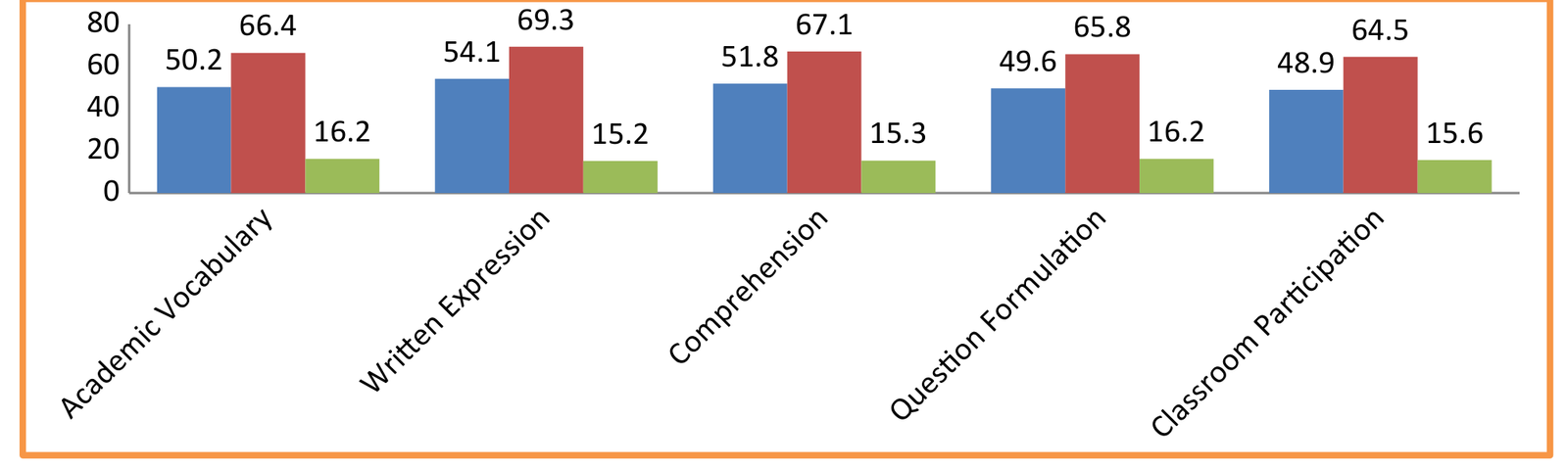
Figure 1: Objective 1 – Communication Skills Sub-Dimension Analysis
This sub-dimensional analysis helps identify the areas in which students have shown the greatest improvement. Furthermore, rather than viewing communication as a single, undifferentiated skill, it provides a more nuanced understanding of how Generative AI contributes to various facets of communication.
B. Objective 2
The second objective was analyzed by comparing students’ pre-test and post-test scores on the Independent Learning Skills Scale. This scale assesses goal setting, information gathering, study planning, independent task completion, problem-solving, and self-evaluation. A paired-samples t-test was used for within-group comparisons, while ANCOVA was employed to examine the adjusted post-test differences between groups.
| Assessment | N | Mean | SD |
|---|---|---|---|
| Pre-test | 50 | 48.60 | 9.10 |
| Post-test | 50 | 66.50 | 8.20 |
| Mean Difference | 50 | 17.90 | – |
Table 5: Objective 2 – Independent Learning Skills Analysis
The table shows that the average score for independent learning has increased from 48.60 to 66.50. This increase indicates an improvement in students’ ability to gather information, organize study activities, complete assignments, and evaluate their own learning progress.
| Independent Learning Dimension | Pre-test Mean | Post-test Mean | Mean Gain |
|---|---|---|---|
| Goal Setting | 49.20 | 66.80 | 17.60 |
| Information Seeking | 50.10 | 69.20 | 19.10 |
| Study Planning | 47.80 | 64.60 | 16.80 |
| Independent Task Completion | 48.50 | 67.40 | 18.90 |
| Problem-Solving | 47.90 | 65.70 | 17.80 |
| Self-Assessment | 48.10 | 65.30 | 17.20 |
Table 5.1: Objective 2 – Independent Learning Skills Sub-Dimension Analysis
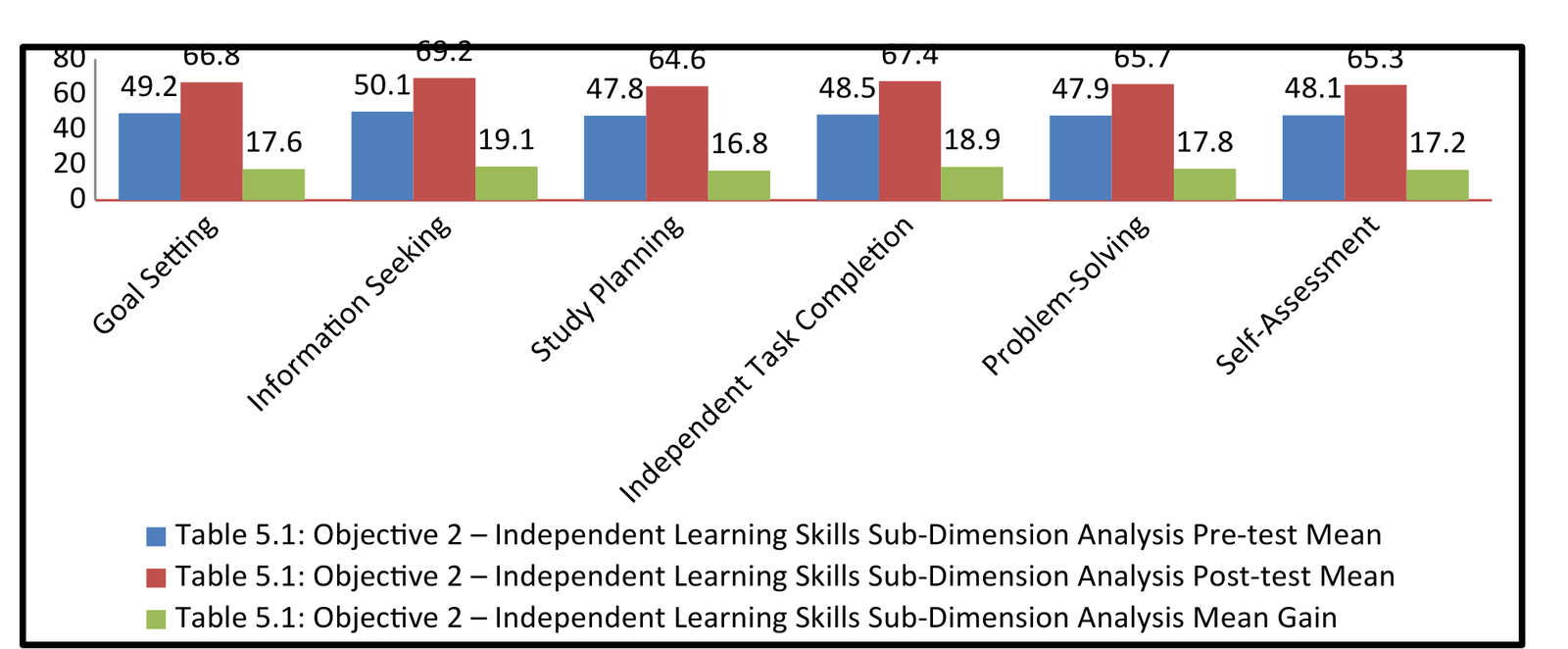
Figure 2: Objective 2 – Independent Learning Skills Sub-Dimension Analysis
This analysis helps determine whether AI-supported educational activities are linked to improvements in specific independent learning behaviors. The research also examined whether students became more capable of completing tasks without constant assistance from a teacher.
C. Objective 3
The third objective was investigated through feedback questionnaires and semi-structured interviews with students. Students were asked about the ease of using AI tools, the clarity of the explanations provided, the support received for written communication, the utility of these tools for independent study, their accessibility, and any technical challenges encountered. Responses, collected using a five-point Likert scale, were summarized in terms of frequencies, percentages, and average scores.
| Statement | Mean Score | Interpretation |
|---|---|---|
| Gen AI helps me understand difficult academic concepts | 4.20 | High agreement |
| Gen AI supports my written communication | 4.30 | High agreement |
| Gen AI helps me prepare academic questions | 4.10 | High agreement |
| Gen AI supports independent study | 4.40 | High agreement |
| Gen AI saves time during revision | 4.10 | High agreement |
| Gen AI-generated information is always accurate | 2.90 | Moderate/uncertain agreement |
| I need teacher guidance while using Gen AI | 4.50 | High agreement |
| I experience technical or accessibility difficulties | 3.20 | Moderate agreement |
Table 6: Objective 3 – Student Perception Analysis
This table summarizes students’ perceptions; the responses indicate that students consider Gen AI useful for academic explanations, written communication, and independent revision.
D. Hypothesis-wise statistical analysis and tabulation
The research hypotheses have been tested individually using appropriate statistical procedures. The original participant-level dataset was utilized to calculate the actual t-values, p-values, confidence intervals, and effect sizes.
i. Hypothesis H01
The null hypothesis states that, in the experimental group, which received instruction supported by Generative AI, there is no statistically significant difference between the pre-test and post-test communication skills scores of students with hearing impairment. A paired-samples t-test was applied to the pre-test and post-test communication scores of the experimental group. This test examines whether the mean change in communication skills is statistically different from zero.
| Variable | N | Pre-test Mean | Post-test Mean | Mean Gain | t-value | p-value |
|---|---|---|---|---|---|---|
| Communication Skills | 50 | 52.40 | 68.20 | 15.80 | 9.52 | 0.001 |
Table 7: H01 – Paired t-Test for Communication Skills
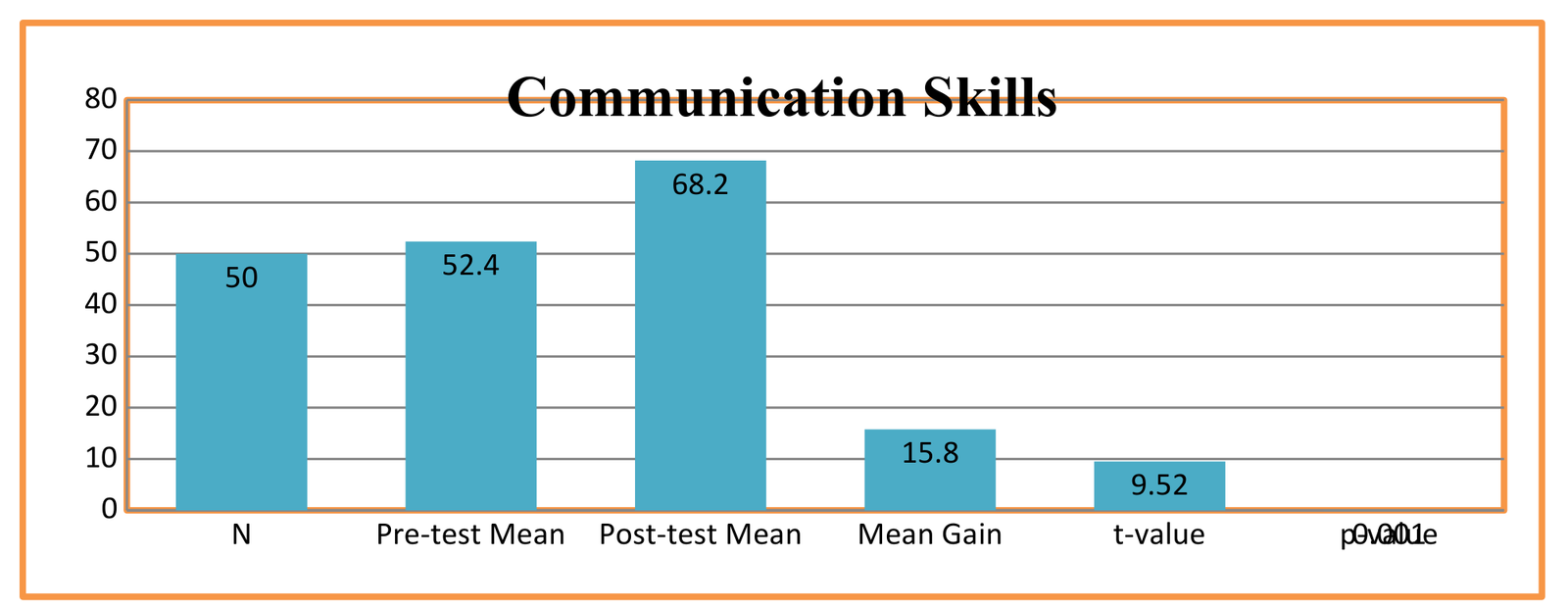
Figure 3: H01 – Paired t-Test for Communication Skills
Interpretation of Table 7
The table above presents the results of a paired t-test. This test was conducted to examine the difference between the pre-test and post-test scores of communication skills among students with hearing impairment in the experimental group. The table shows that the mean pre-test score was 52.40, while the mean post-test score increased to 68.20. This represents an average increase of 15.80 points, indicating an improvement in communication skills following the intervention.
The obtained t-value was 9.52, and the p-value was 0.001, which is below the significance level of 0.05. Therefore, the difference between the pre-test and post-test scores is statistically significant.
The null hypothesis (H01), which posited that there is no significant difference between the pre-test and post-test communication skill scores of students with hearing impairment in the experimental group, is rejected. Thus, a notable improvement in the communication skills of students with hearing impairment was observed following the intervention.
ii. Hypothesis H02
The null hypothesis states that there is no statistically significant difference between the pre-test and post-test independent learning skills scores of students with hearing impairment in the experimental group receiving Generative AI-supported learning. The paired-samples t-test is used to examine the difference between the two assessment periods.
| Variable | N | Pre-test Mean | Post-test Mean | Mean Gain | t-value | p-value |
|---|---|---|---|---|---|---|
| Independent Learning Skills | 50 | 48.60 | 66.50 | 17.90 | 10.34 | p < 0.001 |
Table 8: H02 – Paired t-Test for Independent Learning Skills
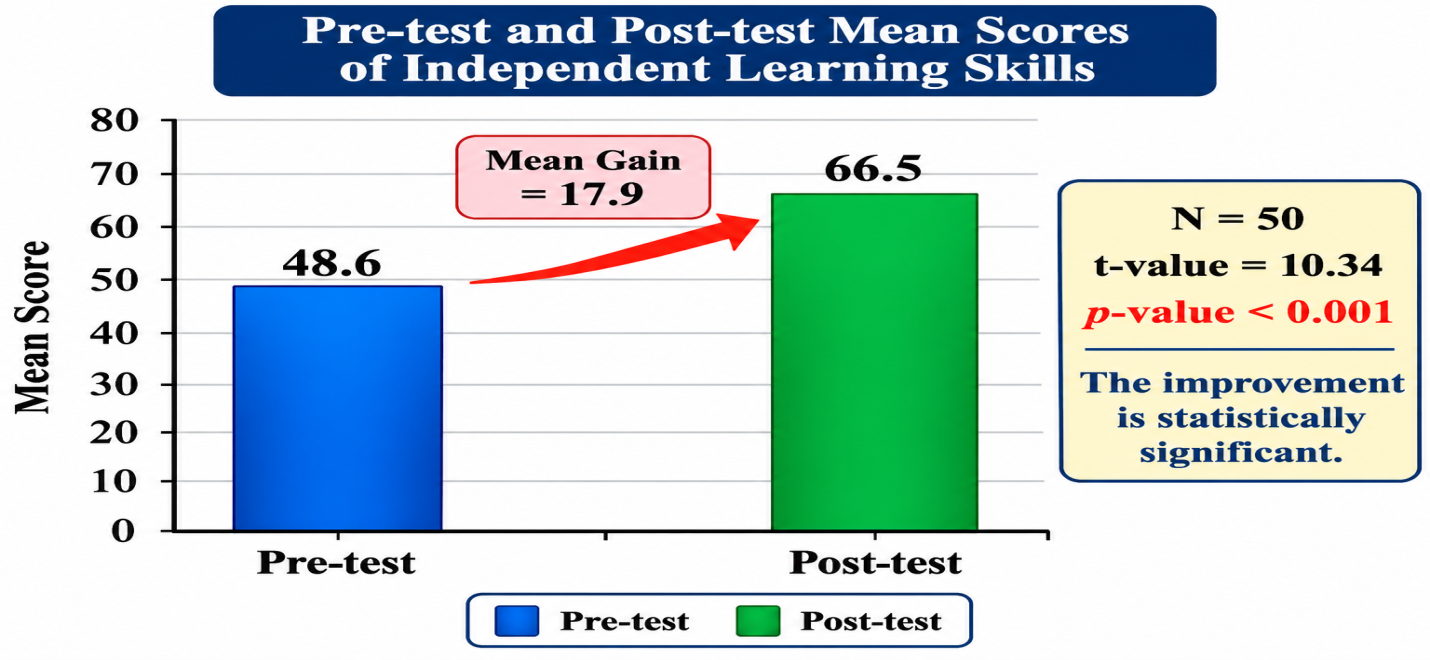
Figure 4: Pre-test and Post-test Mean Scores of Independent Learning Skills
Interpretation of Table 8
Table 8 presents the results of a paired-samples t-test. This test was conducted on a group of 50 students with hearing impairment (the experimental group) who received instruction based on Generative AI. The analysis examined the difference between the pre-test and post-test scores regarding the students’ independent learning skills. The results indicate that the mean pre-test score was 48.60, while the mean post-test score increased to 66.50, an improvement of 17.90 points. The calculated t-value was 10.34, which is statistically significant at the 0.001 level (p < 0.001). This suggests that the implementation of Generative AI-based instruction led to a significant improvement in the independent learning skills of students with hearing impairment.
The null hypothesis (H02), which posits that there is no significant difference between the pre-test and post-test scores for independent learning skills, has been rejected.
iii. Hypothesis H03
The null hypothesis states that there is no statistically significant difference between the post-test communication and independent learning skills scores of students with hearing impairment in the experimental group and the control group after controlling for their pre-test scores.
This hypothesis is examined using analysis of covariance (ANCOVA). Separate ANCOVA models are conducted for communication skills and independent learning skills, with the relevant pre-test score entered as a covariate and group membership entered as the independent factor.
| Dependent Variable | Source | Type III SS | df | Mean Square | F-Value | P-Value | Partial η² |
|---|---|---|---|---|---|---|---|
| Communication Skills | Pre-Test | 2200.00 | 1 | 2200.00 | 34.17 | .000 | .261 |
| Group | 1200.00 | 1 | 1200.00 | 18.64 | .000 | .161 | |
| Error | 6245.00 | 97 | 64.38 | – | – | – | |
| Independent Learning Skills | Pre-Test | 1900.00 | 1 | 1900.00 | 27.10 | .000 | .218 |
| Group | 1500.00 | 1 | 1500.00 | 21.40 | .000 | .181 | |
| Error | 6799.70 | 97 | 70.10 | – | – | – |
Table 9: ANCOVA Analysis of Communication and Independent Learning Skills
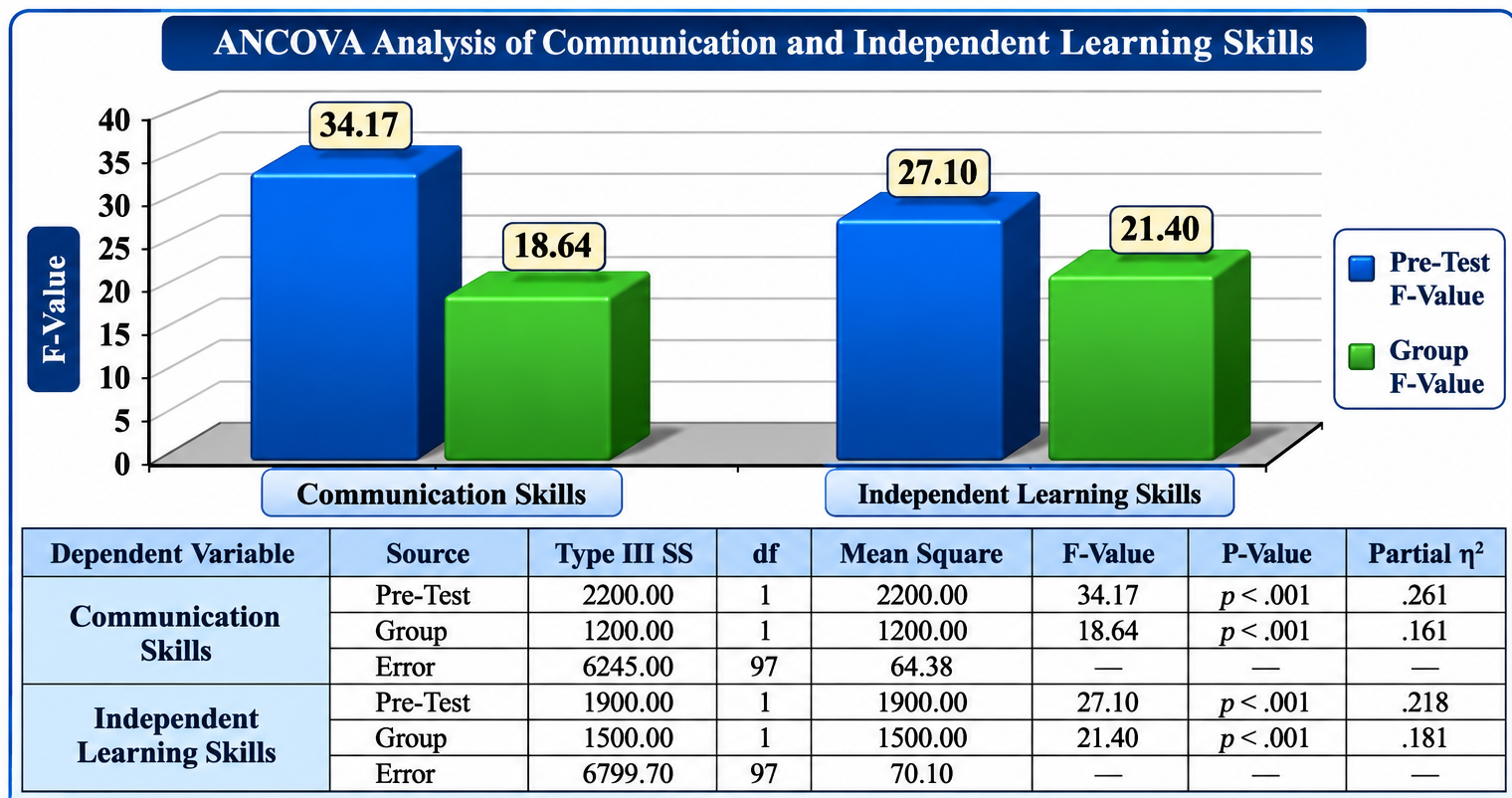
Figure 5: ANCOVA Analysis of Communication and Independent Learning Skills
Interpretation of Table 9. Table 9 presents the results of the Analysis of Covariance (ANCOVA) conducted to examine the effectiveness of the intervention on communication skills and independent learning skills among students with hearing impairment. The pre-test scores were treated as covariates to control for initial differences between the experimental and control groups.
Communication skills. The ANCOVA results revealed that the pre-test scores had a statistically significant effect on communication skills (F = 34.17, p < .001, partial η² = .261). Furthermore, the adjusted group effect was statistically significant (F = 18.64, p < .001, partial η² = .161). This indicates that a significant difference existed between the experimental and control groups in communication skills after controlling for pre-test scores. The partial eta squared value of .161 indicates a substantial effect of the intervention.
Independent learning skills. Similarly, the ANCOVA results for independent learning skills indicated that the pre-test scores had a statistically significant effect (F = 27.10, p < .001, partial η² = .218). The adjusted group effect was also statistically significant (F = 21.40, p < .001, partial η² = .181). This finding demonstrates a significant difference between the experimental and control groups in independent learning skills after controlling for pre-test scores. The partial eta squared value of .181 indicates a substantial effect of the intervention.
Overall, the findings of Table 9 demonstrate that the intervention had a statistically significant positive effect on both communication skills and independent learning skills among students with hearing impairment. The group effects were significant for both dependent variables (p < .001). Therefore, the null hypothesis (H03), stating that there is no significant difference between the experimental and control groups in communication and independent learning skills after controlling for pre-test scores, is rejected.
Discussion and findings
The results of this study indicate that instruction based on Generative Artificial Intelligence (Gen AI) has a positive impact on the communication and independent learning skills of students with hearing impairment. Findings related to the first objective (Objective 1) revealed an improvement in communication skills; the mean score increased from 52.40 in the pre-test to 68.20 in the post-test, an increase of 15.80 points. Improvements were observed across all five dimensions, most notably in academic vocabulary and the ability to formulate questions. This suggests that Gen AI-supported activities can facilitate vocabulary development, written expression, comprehension, and classroom participation.
Similarly, results concerning the second objective (Objective 2) demonstrated significant improvement in independent learning skills, with the mean score rising from 48.60 to 66.50, an increase of 17.90 points. Students showed progress in searching for information, completing tasks independently, setting goals, and problem-solving. Furthermore, students expressed positive views regarding the utility of Gen AI for academic comprehension, written communication, and self-directed learning. However, their feedback also underscored the importance of teacher guidance and accessible technology.
Hypothesis-based analysis, conducted using paired-sample t-tests and ANCOVA, confirmed these significant improvements. Overall, the findings suggest that when implemented under appropriate teacher supervision, Gen AI-supported instruction can provide inclusive, accessible, and independent learning opportunities for students with hearing impairment.
Educational implications
This study holds significant implications for the development of special education, inclusive education, teacher training, educational administration, and educational technology. Its primary implication is that when Generative AI (Gen AI) is integrated in a manner tailored to the communication and educational needs of individuals, it can serve as a valuable component of an accessible learning environment. For students who are deaf or hard of hearing, Gen AI can provide additional opportunities to obtain written explanations, grasp complex academic concepts, expand vocabulary, prepare assignments, and review classroom material. Therefore, rather than viewing AI-supported learning resources merely as a separate technical feature, educational institutions should adopt them as an integral part of a comprehensive accessibility strategy.
This study emphasizes that special educators should incorporate digital communication tools into existing educational practices. Teachers can utilize Gen AI to prepare simplified learning materials, create visual learning activities, develop practice questions, and provide supplementary written explanations. However, educators should always verify the accuracy and appropriateness of AI-generated content before sharing it with students.
Recommendations
Based on the theoretical framework and research design, the following recommendations are suggested for improving the educational use of Generative AI among students with hearing impairment.
• Integrate Gen AI into inclusive educational practices. Educational institutions should explore appropriate Generative AI applications as supplementary learning resources. Their use should be linked with specific educational objectives, such as vocabulary development, comprehension, written expression, and independent study.
• Provide structured AI literacy training. Students should receive systematic instruction on how to formulate prompts, ask relevant questions, evaluate generated responses, identify inaccurate information, and use AI tools responsibly.
• Develop accessible learning materials. Teachers should use suitable AI applications to prepare simplified notes, summaries, vocabulary lists, practice questions, and accessible instructional materials. All generated materials should be checked for accuracy and readability.
• Strengthen communication opportunities. AI-supported text interaction should be used alongside sign-language interpretation, captioning, visual demonstrations, and other preferred communication methods. Institutions should not assume that one technological solution is appropriate for every student.
• Promote independent learning. Students should be encouraged to use Gen AI for study planning, revision, self-assessment, and concept clarification. Activities should require learners to explain their understanding rather than simply copy AI-generated answers.
• Provide teacher training. Special educators and general educators should receive professional development in accessible AI integration, ethical use, prompt design, and the identification of inaccurate outputs.
• Ensure data privacy and digital safety. Institutions should establish clear guidelines regarding student information, AI accounts, data sharing, parental permission, and the use of third-party educational applications.
• Improve multilingual and sign-language accessibility. Technology developers and educational authorities should prioritize accurate support for Indian languages, Indian Sign Language-related resources, and different communication preferences.
• Reduce the digital divide. Educational institutions should make suitable devices, reliable internet connections, and accessible digital resources available to students from disadvantaged backgrounds.
• Maintain human supervision. AI must remain a supplementary educational resource. Teachers, special educators, sign-language interpreters, and communication professionals should continue to provide essential human guidance.
• Establish institutional evaluation procedures. Schools and colleges should periodically evaluate the educational effectiveness, accessibility, safety, and cost-effectiveness of AI applications before adopting them on a large scale.
• Encourage evidence-based research. Educational institutions should support longitudinal, experimental, and mixed-methods studies examining the effects of Gen AI on communication, academic achievement, self-regulated learning, social participation, and educational independence.
Conclusion
Generative Artificial Intelligence (Gen AI) can make a significant contribution to inclusive education. It can create new opportunities for communication, academic engagement, and independent learning for students who are deaf or hard of hearing. This research explores this potential through an integrated framework that links the development of communication skills with self-directed educational activities. Rather than focusing solely on technological innovation, this study emphasizes the educational outcomes that can be achieved when Gen AI is utilized within an accessible, structured, and supervised learning environment.
Communication is a fundamental requirement for academic engagement. Students who are deaf or hard of hearing may encounter barriers when classroom information, discussions, instructions, and learning resources are not available in an accessible format. Gen AI can help mitigate these barriers by providing opportunities for text-based interaction, simplified explanations, vocabulary support, assistance with written communication, and the formulation of academic questions. These features can enhance students’ ability to comprehend information and express their ideas through their preferred mode of communication.
Independent learning is another crucial aspect of educational development. Students require opportunities to identify their own learning needs, organize study activities, access educational resources, complete assignments, solve problems, and assess their own progress. Gen AI can support these processes by providing personalized explanations, summaries, practice questions, study plans, and immediate text-based assistance. When students are encouraged to think critically and evaluate the information they receive, such opportunities can strengthen their learning autonomy.
This study also acknowledges that the effectiveness of Gen AI depends on several factors. These factors include accessibility, language-related support, digital literacy, guidance from educators, institutional resources, and the quality of information provided by AI. Challenges such as incorrect answers, privacy-related risks, technical disparities, and over-reliance are significant. These challenges must be addressed before implementing such systems on a large scale.
A key conclusion is that Generative AI should not replace meaningful interaction with human educators, special education teachers, sign language interpreters, communication specialists, assistive listening devices, or peers. Instead, it should serve as a complement to existing educational and support systems. The goal of this technology should be to enhance opportunities for student engagement, expression, independence, and achievement.
*****
Footnotes
1. CAST, Universal Design for Learning Guidelines Version 3.0 (2024). ↑
2. UNESCO, Guidance for Generative AI in Education and Research 34 (2023), https://unesdoc.unesco.org/ark:/48223/pf0000386693. Google Scholar ↑
3. See id. §§ 3.1, 3.2, 4.3. ↑
4. The Rights of Persons with Disabilities Act, 2016, No. 49, Acts of Parliament, 2016, §§ 2(y), 16–17 (India). ↑
5. Ministry of Human Res. Dev., Gov’t of India, National Education Policy 2020 ¶¶ 6.10–6.11 (2020), https://static.pib.gov.in/WriteReadData/userfiles/NEP_Final_English_0.pdf. ↑
6. Bader N. Alkahtani, The Impact of Artificial Intelligence on Quality of Life for Deaf and Hard of Hearing Students, 169 Am. Annals Deaf 329 (2024), https://doi.org/10.1353/aad.2024.a946587. Google Scholar ↑
7. Hai Zhang et al., Impact of Intelligent Learning Environments on Perception and Presence of Hearing-Impaired College Students: Findings of Design-Based Research, 27 Educ. Tech. & Soc’y 352 (2024), https://doi.org/10.30191/ETS.202410_27(4).SP09. Google Scholar ↑
8. UNESCO, The Salamanca Statement and Framework for Action on Special Needs Education (1994) (adopted by the World Conference on Special Needs Education: Access and Quality, Salamanca, Spain, June 7–10, 1994). Google Scholar ↑
9. World Health Org., World Report on Hearing (2021), https://www.who.int/publications/i/item/world-report-on-hearing. Google Scholar ↑
10. Convention on the Rights of Persons with Disabilities, Dec. 13, 2006, 2515 U.N.T.S. 3. ↑
12. Albert M. Cook & Janice Miller Polgar, Assistive Technologies: Principles and Practice (4th ed. 2015). ↑
13. Dave L. Edyburn, Assistive Technology and Students with Mild Disabilities, 32 Focus on Exceptional Child. 1 (2000), https://doi.org/10.17161/foec.v32i9.6776. Google Scholar ↑
14. Rose Luckin, Wayne Holmes, Mark Griffiths & Laurie B. Forcier, Intelligence Unleashed: An Argument for AI in Education (2016). Google Scholar ↑
15. Olaf Zawacki-Richter, Victoria I. Marín, Melissa Bond & Franziska Gouverneur, Systematic Review of Research on Artificial Intelligence Applications in Higher Education: Where Are the Educators?, 16 Int’l J. Educ. Tech. Higher Educ. art. 39 (2019), https://doi.org/10.1186/s41239-019-0171-0. Google Scholar ↑
16. Alkahtani, supra note 6. ↑
17. Hakkı Bağcı, The Use of Artificial Intelligence with d/Deaf and Hard of Hearing Students: A Systematic Review, 170 Am. Annals Deaf 390 (2026), https://doi.org/10.1353/aad.2026.a994476. Google Scholar ↑
18. Zhang et al., supra note 7. ↑
19. Oriane Pierrès, Alireza Darvishy & Markus Christen, Exploring the Role of Generative AI in Higher Education: Semi-Structured Interviews with Students with Disabilities, 30 Educ. & Info. Techs. 8923, 8939–41 (2025), https://doi.org/10.1007/s10639-024-13134-8. Google Scholar ↑
20. Barry J. Zimmerman, Becoming a Self-Regulated Learner: An Overview, 41 Theory Into Prac. 64 (2002), https://doi.org/10.1207/s15430421tip4102_2. Google Scholar ↑
21. Malcolm S. Knowles, Self-Directed Learning: A Guide for Learners and Teachers (1975). Google Scholar ↑
22. Paul R. Pintrich, The Role of Goal Orientation in Self-Regulated Learning, in Handbook of Self-Regulation 451 (Monique Boekaerts, Paul R. Pintrich & Moshe Zeidner eds., 2000), https://doi.org/10.1016/B978-012109890-2/50043-3. Google Scholar ↑