
Introduction
Manual scavenging in India is the lifting and removal of human excreta or night soil manually. It is considered as unclean occupation.After seventy three years of independence even after passing of the act called constitution of India which guarantees social justice and the basic human rights are still distant dream for certain sections of the people in the society. Manual scavenging is a caste based occupation and with very few exceptions, all manual scavengers are from the scheduled caste. Manual scavenging is the most heinous shameful act in which humans are disposing and removing human excreta or night soil. They make them unclean to make the society clean. There is no proper machinery for implementing these provisions for prohibiting a person to employ and engage as manual scavenger. Even after passing of the two Acts relating to Manual Scavengers there is a failure in the eradication of manual scavenging from Tamil Nadu.
Objectives of the Research
• To study the origin and development of the concept of manual scavenging
• To analyse the impact of the Constitutional provisions and legislations on eradication of the inhuman practice of manual scavenging in Tamilnadu
• To identify the causes for the practice in Tamil Nadu
• To provide a practical solution of the same for the complete abolition
Hypothesis
1. There is a significant relation between attitude of the government and eradication of inhuman practice of manual scavenging
2. There is a significant relation between rehabilitation of manual scavengers and eradication of inhuman practice of manual scavenging
3. There is a significant relation between Usage of machines and rehabilitation of manual scavengers
4. There is a significant relation between attitude of the society and eradication of Inhuman practice of manual scavenging
Research Questions
• What is the attitude of the government and society towards eradication of manual scavenging and rehabilitating manual scavengers?
• How far the appropriate government has taken steps in eradicating the inhuman practice of manual scavenging in Tamil nadu ?
Literature Review
It is found that there are few magazines, books, journals, articles, dissertations and writings made on the concept of Manual Scavengingboth in the national and international level but in different names. There are few articles posted in various regular dailies regarding the death of manual scavengers due to non usage of safety measures and also certain articles has come forward to state that the Manual Scavenging was framed keeping in view only on the death of manual scavengers but not on the intense and consequences of involving humans for manual scavenging. But we could not have a detailed approach on the attitude of the Appropriate government, Appropriate authority in eradicating Manual Scavengers.. In this research, I have tried to detail the attitude of the government and society towards eradication of manual scavenging and rehabilitating manual scavengers In Tamil Nadu.We all very well knew that freedom fighters like Mahatma Gandhi criticised the practice of manual scavenging based on caste system in India, several committees were appointed under different heads and a report was submitted regarding rehabilitation of manual scavengers, schemes for manual scavengers etc. But those recommendations were not implemented successfully in Tamil nadu.Assuming that a person dies due to these inhuman practices,his/her family members will be forced to involve in these practices due to poverty, caste etc. There is little assurance that the Manual scavengers would be rehabilitated if census were done effectively. The attempt made by Tamil Nadu to Eradicate manual scavenging and rehabilitate manual scavengers was, and continues to be, an unsuccessful experiment. Because the Tamil Nadu government does not has a proper list of manual scavengers who are involved in these practices. We People do engage other people to clean septic tanks. There is failure on part of the people as well as appropriate Government/Authority in eradicating the practice of manual scavenging from Tamil Nadu
Conceptual Analysis
Manual scavenging in India is the lifting and removal of human excreta or night soil manually. It is considered an unclean occupation. Under section 3(25 A) of the Chennai city municipal corporation act, 1919 “scavenger” means a person employed to collect or remove filth, to clean drains, latrines or slaughter-houses and use carts for the removal of filth.
According to Section 3(28),“Scavenger” is a person who will collect or remove filth, clean drains, latrines or slaughter houses and use carts for the removing filth2
According to section 2(j) “manual scavenger” means a person employed or engaged to for manually carrying human excreta3.
According to section 2(1) (j) “manual scavenger” means a person employed or engaged by an individual, an agency, local authority or a contractor for manually cleaning, carrying or handling human excreta in an latrine or in an open drain or pit in which the human excreta is disposed from the insanitary latrines, on a railway tracks or other space or premises etc4. Manual scavengers are otherwise known as “Safai Karamcharis”. It means a person engaged or employed for manually carrying human excreta or other sanitation works etc
Acts Relating to Manual Scavengers: Tamil Nadu (State and Central Legislation)
There is no separate Act for Manual Scavengers in Tamil Nadu but GO is there for implementation of Central legislation for Manual Scavengers. I have mentioned Few the Acts relating to manual scavengers/Manual Scavenging as following:
The Employment of Manual Scavengers and Construction of Dry Latrines (Prohibition) Act, 19935:
Manual scavenging is historically linked with the practice untouchability which is forbidden under article 17 of the constitution of India. For giving constitutional validity to this right the Act was passed in the year of 1993 in order to prohibit manual scavenging and abolition of untouchability. This Act was passed for the purpose of complete elimination of manual scavenging and to ensure the construction of water-seal latrines in all buildings and to make construction or maintenance of dry latrines as a punishable offence[1].
The Prohibition of Employment as Manual Scavengers and their Rehabilitation Act, 20136: This Act was passed after twenty years of the first act which failed to prohibit a person engaging or employing as a manual scavenger. No one was punished under the previous Act. In order to extend the scope and widen the coverage of the certain areas which are not covered under the previous Act this Act was passed in the year of 2013.
Protection of Civil Rights Act, 19557:
Earlier there was an Act known as Untouchability (offences) act, 1955 which has been later renamed as the protection of civil rights Act, 1955. This act deals with the practice of untouchability and punishments relating to that. Unlawful compulsory labour is an offence under this Act. According to Article 17 of the constitution of India deals with abolition of untouchability which has been implemented through this Act. The object of this Act is to abolish untouchability and its practice in any form is an offence punishable under this act. It extends to the whole of India. Under this Act civil rights means any rights occurring to a person by reason of abolition of untouchability by article 17 of the constitution of India. This Act prescribes punishment for the preaching and practice of untouchability.
Scheduled Castes and Scheduled Tribes (Prevention of Atrocities) Act, 19898
This Act was enacted with a view to prevent atrocities against scheduled castes and scheduled tribes. It extends to the whole of India except the state of Jammu and Kashmir and for the special and to give relief and rehabilitate the victims of offences. It was amended in the year of 2015 and came into effect from January 26, 2016. Under this Act manual scavengers have the meaning which is defined under section 2(1) of the prohibition of employment as manual scavengers and their rehabilitation act, 2013.
Prohibition of Employment as Manual Scavengers and Their Rehabilitation Rules, 20139:
Safai Karamcharis means persons who are all engaged or employed for any sanitation work other than domestic work. Under this rule there is an obligation on the part of the employer towards employees engaged for the cleaning of sewer or septic tanks. They are not allowed to clean sewer manually with protective gear and safety devices except in exceptional circumstance where mechanical equipments cannot be put into operation for the removal of concrete or fiber reinforced plastic or damaged manhole doo, for the reconstruction of manhole or rectification of the sewer main etc. a sewage shall be emptied unless a person cannot be allowed to enter into the sewage. There is a list of protective gear and safety devices listed under this rule for a person engaged to clean a septic sewer or a septic tank and that should be provided by the employer to the employee. These protective gears shall be checked for every six months and employers shall make necessary repair or replacement of the device. It is the responsibility of the employer to ensure the safety precautions before engaging a person for cleaning of a sewer or a septic tank and that safety precautions are also listed in this rule. Under this rule the local government is empowered to conduct survey of insanitary latrines and manual scavengers etc
Right to Work
Under Article 21 of the Constitution of India, Everyone shall lead their life in a dignified manner. Right to work shall be considered as Fundamental right we cannot force the person to do the employment. Manual scavenging is caste based occupation. By forcing someone to do the practice of manual scavenging is a violation of the fundamental right of that particular Manual Scavengers. It’s the duty of the state to provide decent employment to citizens of their Nation. Right to work is one of the directive principles of state policy of the state.It directs the state to ensure the people within the limits of its economic capacity and development and make effective provisions for the right to work. Right to work includes the right to decent work. In the State of Maharashtra vs Sau Shobha Vitthal kolte10 it's held that the right to work becomes as much fundamental as the right to work. Right to work can be considered as a fundamental right only in case legislative guarantee is given in the form of legislation. In Bandhu Mukti Morcha vs Union of India11, the Supreme Court observed that the bonded labour is included within the scope and form of forced labour and it is prohibited under article 23 of the constitution of India. But it is not possible for the abolition of this system without the act. In order to ensure the eradication of this system the act was passed in the year of 1976 known as Bonded Labour System (abolition) Act, 1976 for the eradication of bonded labour system and to prevent the exploitation of the weaker section of the society.People's Union for Democratic Rights vs Union of India12, this case is popularly known as Asiad project workers case. In this case the supreme held that the right which is guaranteed under article 17 available against private individuals also. It is the duty of the state to prevent the violation of these fundamental rights. State of Karnataka vs Appa Balu Ingale13,In this case the court held that the object of article 17 is to liberate the society from blind and ritualistic adherence and traditional belief which has lost all legal or normal base.
ILO on Manual Scavenging14
The International Labour Organization distinguishes the manual scavenging into three different forms. They are:
1. Removal of human excreta from public streets and dry latrines.
2. Cleaning septic tanks
3. Cleaning gutters and sewers.
The International Labour Organisation had adopted 2 conventions on the above subject under the following main heads:
1. Discrimination(Employment And Occupation)
2. Occupational Health Service Convention
Convention No.111 0f 1958 – Discrimination (Employment and Occupation)15:-
This convention came into force on 15 july,1960.It contains 14 articles. Convention no.111 deals with the discrimination in employment and occupation.This convention requires the state to enact legislation to prohibit all discrimination and exclusion on any basis including religion, sex, race, colour, political opinion, national extraction or social origin in employment and occupation.As per this convention discrimination should not be in employment and occupation in any form as above mentioned. The member country for this convention should make national policy relating to equal opportunity in employment in occupation and employment and to eliminate discrimination in any form.The member country which ratifies this convention may denounce this convention after expiration of ten years.it is a one of the fundamental convention among the eight.This convention was ratified by India in the year of 1960.
Recommendation:
Under this head the international labour organization has adopted the following only one recommendation:
Recommendation no.111 of 1958: Discrimination(Employment and Occupation)16
Recommendation no.111 of 1958 deals with discrimination in respect of employment and occupation.
It contains provisions relating to the definition of term discrimination, formulation and application of policy, co-ordination of measures for the prevention of discrimination in all fields. The term “discrimination” includes any distinction and exclusion or preference made of on the basis of race, colour, sex, religion, political opinion, national extraction and social origin in employment and occupation which make effect of nullifying or impairing equality of opportunity or treatment in employment and occupation et. Each member should formulate national policy for the prevention of discrimination in employment and occupation in the form of legislative measures etc. The authorities which is responsible for action against discrimination should co-ordinate and cooperate in taking measures for prevention of discrimination in all fields.
Occupational Health Services
Under this international labour organization has adopted the following convention:
Convention No.161 of 1985: Occupational Health Services17:-
This convention came into force on 17 February, 1988 it contains 24 Articles. Convention No.161 deals with occupational health services. Each member of this convention should provide and they should develop occupational health services for all workers including the workers of the public sectors, the members of production co-operative, in all branches of economic activity and all undertakings. According to article 1 of this convention “Occupational Health Service” means it is a service which is entrusted with prevention function and responsible for advising the employer, the workers and their representatives for establishing and maintaining a safe and healthy working environment for facilitating optimal physical and mental health which relates to work and the adaptation of work to the capabilities of the workers because of their state of physical and mental health. The member country which ratifies this convention may denounce this convention after the expiration of ten years. It is the duty and responsibility of the employer for the health and safety of the workers in his employment. The occupational health services can be organized by the following persons for the workers. They are:
(1)The undertaking or the group of undertaking; (2) public authorities or official service (3) social security institutions (4) any other bodies authorized by the competent authority (5) a combination of any above etc. it is a technical convention and it has not been ratified by India yet.
Recommendation:
Recommendation N o.171 of1985: Occupational Health Services18
Recommendation no.171 of 1985 deals with occupational health services. It contains provisions relating to organization of occupational health service, national policy, functions, organization, conditions or organization etc. The occupational health services can be organized by the following persons for the workers. They are:
(1)The undertaking or the group of undertaking; (2) public authorities or official service (3) social security institutions (4) any other bodies authorized by the competent authority (5) a combination of any above etc.
Research Methodology
The researcher used both doctrinal and non-doctrinal research methodology. Under the doctrinal research books, journals, articles, magazines, cases were used.Under the non- doctrinal research the interview method and questionnaire method were used as a tool. The primary data collected under this technique were analyzed accordingly and findings from the bases of the conclusion and suggestion in this paper. The research question upon which I concentrated more was the existence of this inhuman practice of manual scavenging even after passing of the Acts relating to manual scavengers which was passed in the year of 1993 and 2013. I have used Descriptive research design in order to find out the reason behind the existence of this inhuman practice in Tamil Nadu and why it’s not possible for the government to eradicate this type of practice from Tamil Nadu. This Study has a sample size of 50 men and women manual scavengers, 50 Men and Women NGO’s Volunteers and general public.
Sampling Plan
Since it is definitely impossible to know the attitude of each and every Corporations and Municipalities that means local authorities, I have limited my sample to Manual Scavengers, workers of corporations as well as municipalities, NGOs and Public.
Result and Discussion
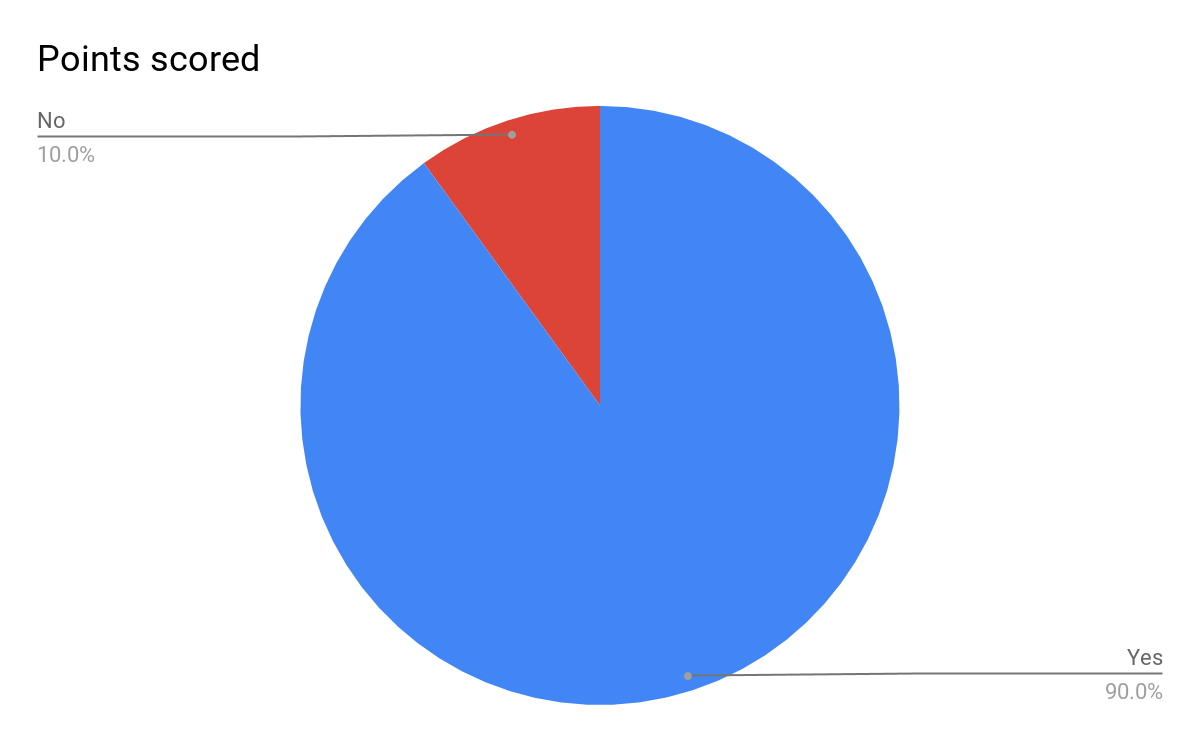
1. Do manual scavenging and manual scavengers exist in TamilNadu?
1. Yes
2. No
Findings:
Based on the responses we come to know there is still existence of Practice of Manual Scavenging in Tamil Nadu.This statistical pie chart helps in clearly analyzing the existence of said practice
2. What makes a person to work as a manual scavenger?
1. Poverty
2. Illiteracy
3. Family Background
4. Caste
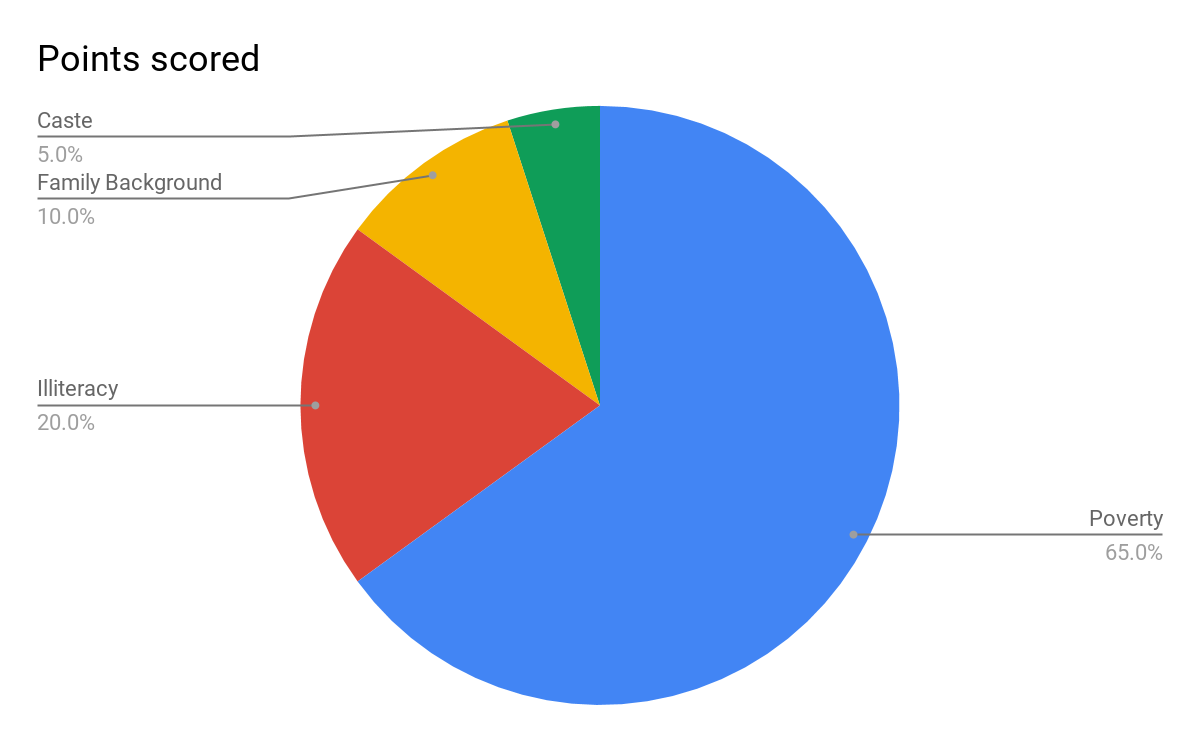
Based on this analysis we come to know thatpoverty plays a major role for the existence of this practice. Comparing with other factors Illiteracy, caste, family background the percentage of these factors are less when comparing with percentage of poverty. 65 % of the respondents responded that poverty was the main factor for the existence of this practice while 20 % of the respondents responded illiteracy as a factor for the existence of this practice. Family Background as 10 %and Caste as 5 %. From this it’s very clear there is significant relation between poverty and manual scavenging
3. Are there any safety measures provided to them?
1. Yes
2. No
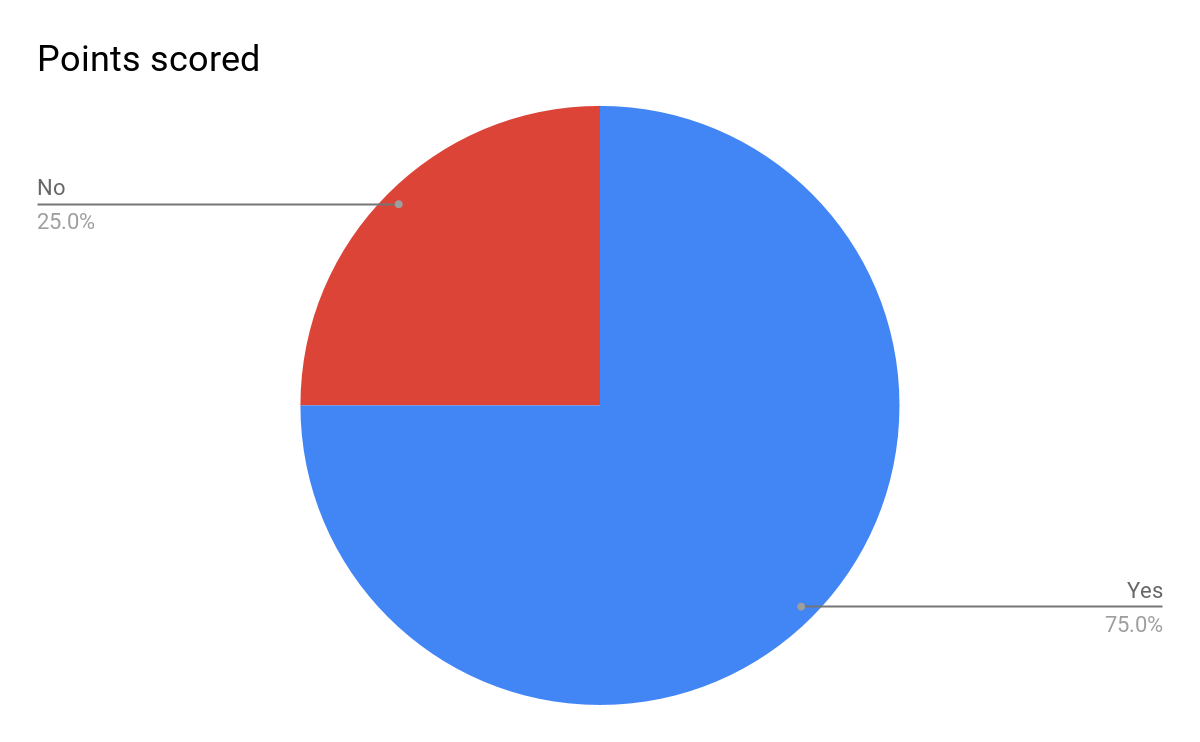
Based on this survey it came to know that safety measures are provided to the Manual scavengers. 75% of the respondents responded the same while 25 % of the respondents denied.
4. Is there any scheme or rehabilitation programmes for the manual scavengers?
1. Yes
2. No
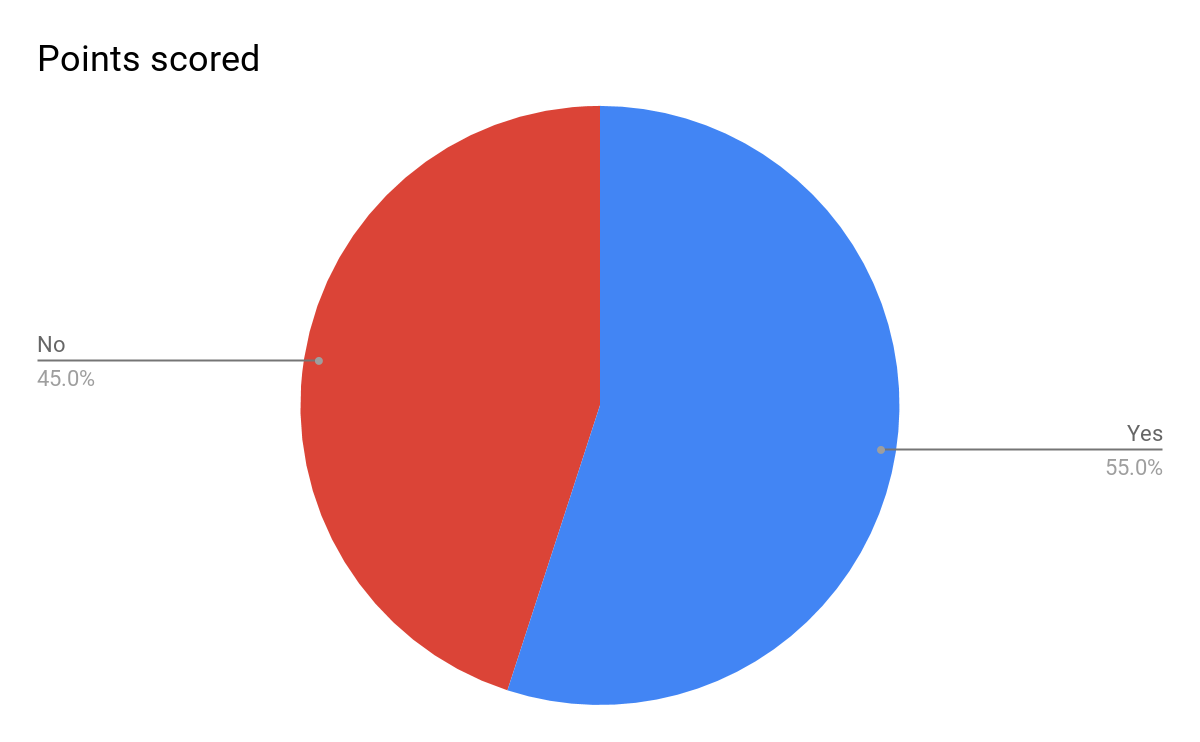
Based on this research question it came to know that 55 % respondents responded that rehabilitation schemes for manual scavengers are available while 45 % of the respondents denied.
5. If so, how far has it been implemented?
1. Wholly
2. Partly
3. Confidential
4. Not Aware
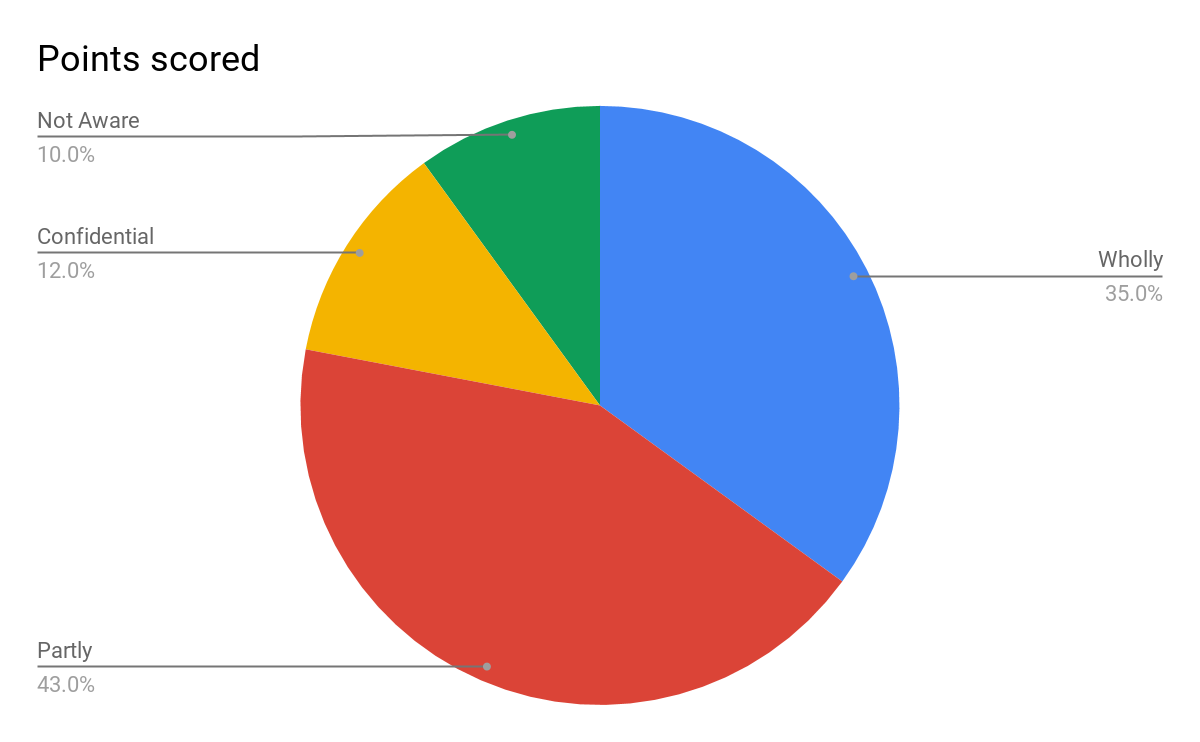
Based on this survey question it came to know that 43 % of the respondents respondedthat schemes are partly implemented. While 35 % of the respondents responded the schemes are wholly implemented, 12 % of the respondents responded about confidential, 10 % of the respondents responded not aware of the schemes
6. Whether Manual scavenging be treated or categorized as forced labour?
1. Yes
2. No
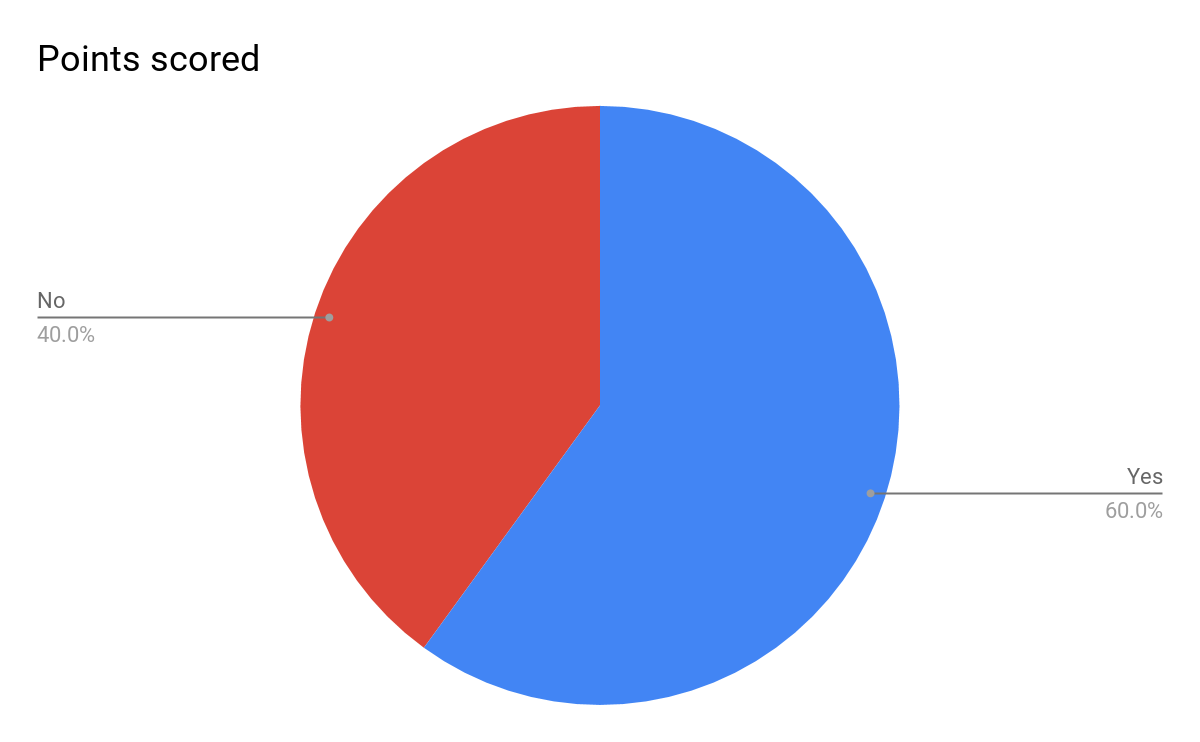
Based on the research questions, it came to know that 60 % of the respondents responded that manual scavengers shall be categorized as forced labour and 40 % of the respondents responded that they cannot be categorized as manual scavengers
7. What is the role of Non-governmental Organisation in the eradication of practice of manual scavenging?
1. Conducting Awareness Campaign
2. Proposal to the Government
3. Providing Benefits
4. Rehabilitate Manual Scavengers and their Family
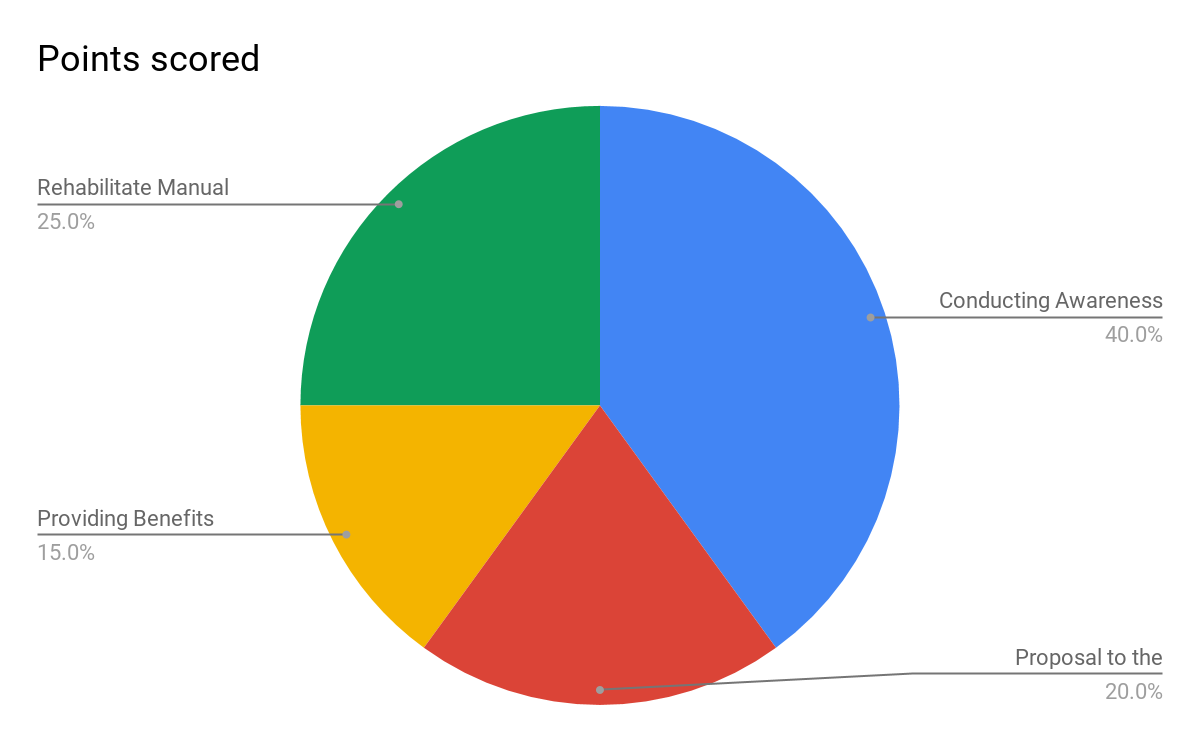
Based on this research question it came to know that a major role of the non - governmental organization playsan important role in conducting awareness which was confirmed by 40 % of the respondents. While 25 % of the respondents responded that rehabilitation of the manual scavengers is the role of non - governmental organization, 20 % of the respondents responded that making proposals to the government is the role of manual scavengers. 15 % of the respondents responded provisioning benefits is the role of manual scavengers.
8. Is it possible for the eradication of manual scavenging?
1. Yes
2. No
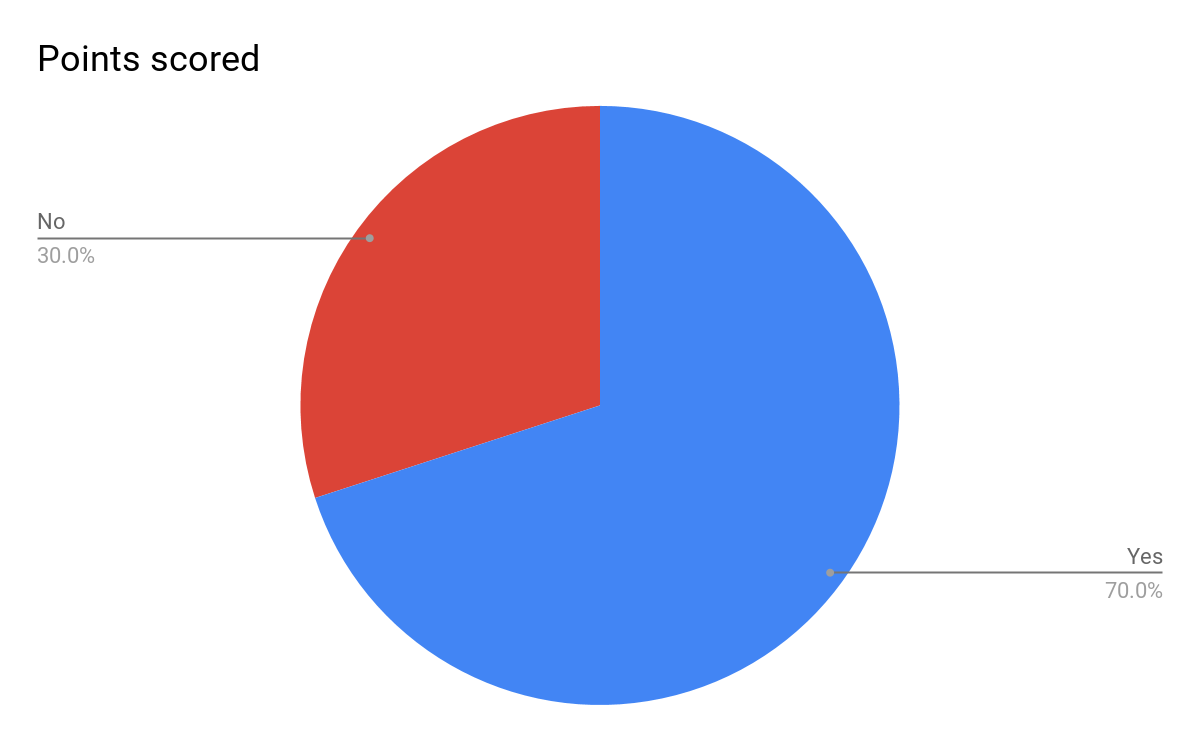
Based on this research question it came to know that 70 % of the respondents responded that there is a possibility of eradication of manual scavenging. 30 % of the respondents responded that there is no possibility of eradication of manual scavenging.
Limitation
For the purpose of the research, the study could be conducted only among the manual scavengers, Public officials, NGOs workers of municipalitiesand corporations.We cannot come to a conclusion only from this study because it is impossible for us to collect feedback from Public officials, Workers of Municipalities and Corporations. I have just concentrated on the Manual Scavengers, Public, NGOs, Workers of Municipalities, Corporations and their views in relation to my research topic. But we can come to a better conclusion only when I get feedback from Public Officials who have authority to rehabilitate Manual scavengers.
Suggestions
• Manual scavenging should be eradicated by providing alternative employment of manual scavengers
• Counseling should be given to the manual scavengers mentally before rehabilitating manual scavengers
• Power sucker should be used by the government and the manual scavenger should be replaced by the machines
• It is not possible for total eradication of practice of manual scavenging at a stretch it shall be achieved through the effective plans
• The state government and local government should be provided with funds for implementing schemes and programmes for liberating and rehabilitating manual scavengers
Conclusion and Suggestion
Right to work can be claimed as a fundamental which ensures decent work and lives with human dignity. Without any discrimination a person shall be engaged in any work which is not hazardous in nature. Even if a person is engaged in work which is hazardous that person should be provided with safety gear and protective measures. It is the duty and responsibility of the government to take steps towards eradication of manual scavenging. There is a connection between manual scavenging and right to work because once this work is considered as hereditary which carry these practices from generation to generation but nowadays it is not hereditary because of the schemes available to the manual scavengers and his/her family members depend upon him. Education is the weapon which leads the manual scavenger children which make them to become not to engage in this practice. If the act and schemes properly implemented for punishing a person who engage manual scavenger will lead to the eradication of manual scavenging. The non-governmental organizations also play an important role in the eradication of this practice. Based on the research I have come to the conclusion that manual scavengers are not aware of the schemes available for them and Appropriate authority/ Appropriate government haven't taken appropriate measures so far in eradicating the inhuman practice of manual scavenging as well as rehabilitating them.
*****
Footnotes
2. The Tamil Nadu District Municipalities Act, 1920 ↑
3. The Employment Of Manual Scavengers And Construction Of Dry Latrines (Prohibition) Act, 1993 ↑
4. Prohibition of Employment As Manual Scavengers And Their Rehabilitation Act, 2013 ↑
5. Professional’s Justice M.R.Mallick “ Labour and Industrial Law “Manual, Professional Book Publishers,2012 ↑
6. Professional’s Justice M.R.Mallick “ Labour and Industrial Law “Manual, Professional Book Publishers,2012 ↑
7. Dr.Agarwal,H.O., Human Rights, Central Law Publications, 2015 ↑
8. http://socialjustice.nic.in/writereaddata/UploadFile/The%20Scheduled%20Castes%20and%20Scheduled%20Tribes.pdf Accessed on 25/06/2020 ↑
9. http://www.bareactslive.com/ACA/ACT2238.HTM accessed on 25/06/2020 ↑
14. http://www.dalits.nl/pdf/ResourceHandbookForEndingManualScavenging.pdf accessed on 25/06/2020 ↑
15. https://www.ilo.org/dyn/normlex/en/f?p=NORMLEXPUB:12100:0::NO::P12100_ILO_CODE:C111 accessed on 25/06/2020 ↑
16. https://www.ilo.org/dyn/normlex/en/f?p=NORMLEXPUB:12100:0::NO::P12100_ILO_CODE:R111 accessed on 25/06/2020 ↑
17. https://www.ilo.org/dyn/normlex/en/f?p=NORMLEXPUB:12100:0::NO::P12100_ILO_CODE:C161 accessed on 25/06/2020 ↑
18. http://www.ilo.ch/dyn/normlex/de/f?p=NORMLEXPUB:12100:0::NO::P12100_INSTRUMENT_ID:312509 accessed on 25/06/2020 ↑