
Introduction
(A) Overview of the Dowry System
The dowry system refers to a social practice where the bride's family provides valuable gifts, cash, or property to the groom and his family as part of the marriage arrangement. This custom is not unique to India, but it has evolved distinctly in the South Asian region, with deep cultural roots and widespread implications. Historically, the dowry system was meant to serve as a form of inheritance for the bride, ensuring her financial security in her new household. The practice dates back to ancient India, where it was considered a gift to the groom as a gesture of respect and social bonding. However, over the centuries, the dowry system has transformed from an inheritance system into a significant financial burden, especially in the context of marriage transactions (Kapadia, 2011).
In the ancient Vedic period, dowry was viewed as a voluntary and symbolic act, often considered part of the bride's inheritance from her family. Over time, as the social structure became more patriarchal, the dowry began to take on a more transactional and compulsory nature, reflecting the growing commodification of women in marriage (Basu, 2001). By the colonial era, dowry became institutionalized, and the practice was further solidified by the economic and social policies of the British Empire, which emphasized land and property ownership (Srinivasan & Lee, 2004). As a result, dowry emerged as a key social and economic institution tied to marriage, which continues to influence societal relationships in contemporary India, especially in regions like Maharashtra.
(B) Relevance and Significance of Dowry in Contemporary Society
In contemporary society, the dowry system remains pervasive, despite legal prohibitions and widespread condemnation. The relevance of dowry today is primarily associated with socio-economic factors, gender inequality, and societal norms. One of the key reasons for the persistence of dowry in modern society is its connection to patriarchal values. According to social theorists, dowry reinforces gender inequality by positioning women as a financial burden on their families, further entrenching traditional gender roles that subordinate women to men (Chowdhury, 2010). This is particularly evident in regions where the dowry system is still widely practiced, including Maharashtra.
The dowry system has also evolved in tandem with India's economic growth and changing social dynamics. As the country has modernized, dowry has increasingly become a way to display social status and wealth, further complicating its abolition (Mitra, 2013). Studies have shown that, in urban areas, dowry demands are often inflated, with families leveraging marriage as an opportunity to elevate their social standing. This phenomenon is particularly evident in middle- and upper-class families, where dowry expectations include substantial monetary amounts, luxurious gifts, and property transfers (Srinivasan & Lee, 2004). As a result, dowry has transformed from a traditional custom to a highly commercialized and often exploitative practice, with significant emotional, social, and financial consequences for both the bride and her family.
In Maharashtra, the dowry system remains deeply ingrained, despite legal measures such as the Dowry Prohibition Act (1961), which criminalizes the exchange of dowry. Surveys and studies suggest that while there is widespread awareness of these legal prohibitions, cultural norms and societal expectations continue to drive the practice. In some rural and semi-urban areas of Maharashtra, dowry is still seen as a necessary precondition for marriage, contributing to the perpetuation of gender disparities and economic inequalities (Patel, 2015). The social pressure surrounding dowry demands is often exacerbated by community expectations and the desire to conform to social norms, leading to an increase in dowry-related violence and exploitation (Basu, 2001).
Moreover, dowry practices have significant socio-economic consequences. They often result in the financial ruin of families, especially in lower-income groups, where the dowry demands are disproportionately high compared to the family's economic capacity (Rajagopalan, 2019). These financial burdens can lead to debt, social ostracization, and, in extreme cases, violence against the bride or her family members. The persistence of dowry, therefore, is not only a violation of legal and human rights but also a deeply embedded social issue that perpetuates the cycle of poverty and gender-based violence in many parts of Maharashtra.
(C) Contextual Focus
a. Importance of Studying Dowry in the Indian Context, Specifically Maharashtra
The dowry system, deeply embedded in Indian society, has significant social, economic, and legal implications that extend beyond the marriage institution. Studying dowry in the Indian context is critical for understanding the socio-cultural dynamics that shape marriage practices and gender relationships. The persistence of dowry, despite legal prohibitions such as the Dowry Prohibition Act (1961), points to the entrenched cultural norms and socio-economic pressures that sustain this practice in contemporary India (Basu, 2001).
In the Indian context, dowry is more than just a financial transaction; it is a social phenomenon that is closely tied to gender roles, family dynamics, and social stratification. The practice of dowry is reflective of patriarchal ideologies that consider women as property and perpetuate their subordination within the family and society. It is often used as a marker of a family’s social standing, and as such, dowry demands are not just limited to the bride's family but can also be influenced by caste, community, and social class. The perpetuation of dowry in India contributes to a complex web of gender inequality, economic exploitation, and violence against women, making it an urgent issue for policy reform and societal change (Rajagopalan, 2019).
Focusing specifically on Maharashtra is particularly relevant due to its unique social and cultural characteristics. Maharashtra is one of the most economically developed states in India, yet the dowry system continues to be prevalent, particularly in rural and semi-urban areas. This contradiction highlights the resilience of traditional customs in the face of modernity. The state has witnessed rapid urbanization, yet dowry demands are still prevalent among families that seek to marry their daughters into financially well-off households. Maharashtra also has a unique demographic composition, with its large urban population in cities like Mumbai juxtaposed with rural communities, where dowry practices may be more entrenched (Patel, 2015).
In Maharashtra, dowry is often seen as a social obligation, and its practice is highly localized, with variations based on region, caste, and social status. Rural areas may have more rigid dowry expectations, while urban centers such as Pune and Mumbai exhibit more modern attitudes toward marriage, yet the system remains ingrained (Mitra, 2013). This duality makes Maharashtra an interesting case study for understanding the intersection of traditional practices and modern societal pressures in shaping the dowry system.
b. Aim and Scope of the Review Paper
The aim of this review paper is to conduct an in-depth exploration of the dowry system, focusing on its social, economic, and legal dimensions within the state of Maharashtra. The paper seeks to highlight the persistence of dowry practices despite legal prohibitions, offering a multi-dimensional analysis that includes both historical context and contemporary realities. The paper will also examine the societal factors that perpetuate dowry, such as caste, class, gender roles, and socio-economic status, while exploring how legal frameworks are being used to address the problem.
The scope of this paper will encompass the following key areas:
1. Historical and Cultural Context of Dowry
◦ Understanding the origins and evolution of the dowry system in India, with a focus on Maharashtra's social, cultural, and religious practices.
◦ The role of caste, class, and community in shaping dowry expectations and practices over time.
2. Socio-Economic Factors Influencing Dowry
◦ Investigating the role of wealth, education, and social status in dowry practices, particularly in urban and rural Maharashtra.
◦ The impact of socio-economic stratification on dowry demands and the shifting nature of these demands in different regions of Maharashtra.
3. Legal Frameworks and Their Effectiveness
◦ A critical analysis of the Dowry Prohibition Act (1961) and Maharashtra-specific legal provisions aimed at curbing dowry practices.
◦ Examining the effectiveness of these laws in practice, based on data from law enforcement, courts, and social organizations.
4. Impact of Dowry on Women’s Rights and Gender Equality
◦ Exploring the role of dowry in perpetuating gender-based violence, discrimination, and inequality, particularly in rural Maharashtra.
◦ Reviewing studies that highlight the psychological, emotional, and physical impacts of dowry-related violence on women.
5. Empirical Data and Case Studies
◦ Presenting empirical evidence from surveys, interviews, and case studies conducted in Maharashtra, which will include data on dowry demands, legal outcomes, and social consequences.
◦ Utilizing quantitative and qualitative data to identify patterns and trends in dowry practices.
6. Recommendations for Policy and Social Change
◦ Proposing actionable solutions for addressing dowry-related issues through legal reforms, public awareness, and social advocacy.
◦ Examining successful interventions in Maharashtra and other parts of India to eradicate dowry and promote gender equality.
In addition to these primary areas, the paper will use graphical representations, such as charts, tables, and graphs, to present survey data and highlight the trends in dowry practices and legal interventions in Maharashtra. These visual aids will assist in understanding the depth and complexity of dowry-related issues, allowing for a more comprehensive analysis.
Historical Evolution of the Dowry System in India
(A) Origins and Cultural Perspectives
The dowry system in India, though often seen as a contemporary social issue, has ancient historical roots that have evolved through various phases of Indian society. The evolution of the dowry system is deeply intertwined with socio-cultural, economic, and political transformations over millennia, reflecting the changing roles of women, marriage customs, and the economic relationships between families.
a. Ancient Period:
In ancient India, dowry was not a coercive social practice but a voluntary gift given by the bride’s family to the groom’s family, primarily for the bride’s welfare. This early form of dowry is documented in religious texts, such as the Vedas and the Manusmriti, which suggest that gifts were exchanged during marriage ceremonies. However, these gifts were meant to secure the bride’s future and were not seen as a financial burden (Basu, 2001). During the Vedic period, the concept of “kanyadan” or the giving of the daughter in marriage was considered a sacred duty of the bride’s father, and dowry was perceived as a means of providing for the bride’s security in her new life (Srinivasan & Lee, 2004).
The early notion of dowry was more aligned with the bride's inheritance, reflecting the patriarchal nature of society where the bride was considered a financial responsibility of her father. However, there were no fixed or standardized dowry amounts, and the practice was largely voluntary, guided by familial and regional traditions rather than rigid societal rules (Basu, 2001). The concept of a dowry as an obligation or transaction involving significant wealth, which we associate with modern dowry demands, was not as prevalent.
b. Medieval Period:
The medieval period saw a shift in the practice of dowry, influenced by Islamic and Hindu traditions. As Indian society became more complex and stratified during the medieval period, dowry started to acquire more transactional and materialistic elements. The Mughal Empire, with its centralization of power and wealth, brought about a greater emphasis on material wealth, and dowry began to reflect the economic status of both the bride’s and the groom’s families (Chowdhury, 2010). Marriage became a way to forge political and social alliances, especially among the upper echelons of society, where dowry served as a tool for consolidating wealth and power.
The notion of dowry in this period expanded to include not only valuables but also land and property, further transforming it from a gift to an economic transaction. The demands for dowry grew significantly, particularly in the context of royalty and nobility, where marriage was seen as an arrangement to solidify political influence (Kapadia, 2011). The practice of dowry, therefore, began to reflect a growing sense of economic inequality between families and cemented the patriarchal structure that characterized many medieval Indian societies.
c. Colonial Period:
During British colonial rule in India, the practice of dowry became more institutionalized, albeit in a different form. The British colonial administration introduced various socio-economic reforms that aimed to regulate marriage and family life, but the dowry system continued to evolve in the context of colonial policies. The economic conditions of the time, including the agrarian crisis, the commercialization of land, and the increasing role of the colonial government in regulating Indian society, contributed to the expansion of dowry demands (Srinivasan & Lee, 2004).
The British, in their effort to “modernize” Indian society, enacted several reforms such as the banning of practices like Sati and child marriage, but dowry continued to persist and became even more entrenched during this period. The colonial economic policies led to increased wealth disparities, and dowry became an essential part of marriage transactions, reflecting the growing commodification of women. By the 19th century, dowry had shifted from a practice intended to secure the bride’s well-being to one of financial transaction, with considerable wealth being transferred from the bride's family to the groom's (Rajagopalan, 2019).
(B) Role of Dowry in Different Indian Societies and Communities
The dowry system's role varies widely across different Indian societies and communities. The practice is influenced by regional, caste, class, and religious factors, each shaping the demands and expectations associated with dowry.
a. Role of Dowry in Hindu Society:
In Hindu society, dowry became deeply embedded as a social and religious institution, particularly after the influence of caste-based stratification. The upper castes, particularly Brahmins, Rajputs, and Kshatriyas, viewed marriage as an opportunity to maintain social status, and dowry became a way to consolidate wealth and power within these communities. Among lower castes, dowry was often used as a means to elevate social status through marriage (Chowdhury, 2010). Hindu marriage rituals, such as the exchange of gifts and property, were codified over centuries, making dowry a culturally significant part of the wedding ceremonies.
b. Role of Dowry in Muslim Society:
In Muslim society, the practice of dowry took a different form, often referred to as “mahr,” which is the bride’s right under Islamic law. The mahr is a mandatory gift given by the groom to the bride at the time of marriage. Unlike the traditional dowry, which is given by the bride’s family to the groom’s family, mahr is intended as a form of security for the bride and can vary significantly in amount, depending on the groom’s financial position (Patel, 2015). While the practice of dowry is not legally recognized in Islam, it still persists in various forms, especially in the context of wedding expenses and gift exchanges between families, which can closely resemble the dowry system.
c. Role of Dowry in Sikh and Christian Communities:
In Sikh and Christian communities, dowry practices are less entrenched but still exist in certain regions of India. Among Sikhs, dowry was traditionally avoided, as the religion promotes gender equality. However, in practice, dowry is sometimes exchanged as a means of securing marriage alliances, especially among affluent families. In Christian communities, dowry is not a formal part of the marriage ritual but may still appear informally, particularly in the context of expectations from wealthier Christian families (Srinivasan & Lee, 2004).
d. Regional Variations:
The practice of dowry is not uniform across India; it varies significantly from state to state. In regions like Kerala and Tamil Nadu, dowry is relatively less prevalent compared to northern and central India, where dowry demands are often more pronounced and economically burdensome. In Maharashtra, dowry practices have evolved differently in urban versus rural settings. Urban Maharashtra, especially cities like Mumbai and Pune, has seen a shift toward more modern practices in marriage, but dowry remains prevalent in rural and semi-urban areas, where the economic burden on families is significant (Rajagopalan, 2019).
(C) Transition and Influence on Maharashtra
a. Specific Focus on Maharashtra’s Cultural and Societal History Regarding Dowry
Maharashtra, a state in Western India, has a rich and diverse cultural history shaped by multiple socio-political influences. The practice of dowry in Maharashtra has undergone significant transformation, evolving from a traditional gift-giving custom to an obligatory and economically burdensome practice. The historical development of dowry in Maharashtra is tied to regional socio-economic changes, caste dynamics, and cultural shifts over centuries.
In the pre-colonial era, Maharashtra’s society was predominantly agrarian, and marriages were simple social unions, often governed by family and religious customs. The notion of dowry was more symbolic and closely tied to the social standing of the bride’s family. While the practice was not as economically burdensome as it would become in later periods, dowries were sometimes given in the form of agricultural land, livestock, and household items, which were meant to provide for the bride’s future welfare (Srinivasan & Lee, 2004).
With the advent of the British colonial rule in India, the practice of dowry underwent a shift, becoming more influenced by the economic system established by the colonial powers. The commercialization of land, the rise of the capitalist economy, and increased urbanization in Maharashtra during the 19th and 20th centuries contributed to dowry’s transition from a symbolic gift to a mandatory and transactional component of marriage. The introduction of Western education and legal reforms, which began in the late 19th century, created a complex social structure in Maharashtra, with certain groups, particularly the elite, adopting more westernized marriage practices while simultaneously maintaining traditional dowry demands. This period also saw the consolidation of caste identities, which further intensified dowry practices, as marriage alliances were often formed to preserve caste purity and social hierarchy (Kapadia, 2011).
By the 20th century, Maharashtra witnessed rapid industrialization and urbanization, particularly in cities like Mumbai and Pune. With economic growth came rising materialism and the desire for social status, factors that contributed to the further commercialization of marriage and dowry. During this period, dowry was no longer simply a means of securing a bride's future, but became a symbol of wealth and social prestige. Families, especially in urban areas, started to demand exorbitant dowries, often in the form of cash, property, and luxury items, to assert their social and economic status (Patel, 2015). This led to a significant increase in dowry-related violence and social unrest, as families became financially strained under the weight of dowry demands.
b. Regional Variations in the Practice of Dowry
Maharashtra, being a large and culturally diverse state, exhibits significant regional variations in the practice of dowry. These variations are influenced by factors such as urbanization, caste, community, and economic conditions. While urban areas like Mumbai, Pune, and Nagpur have seen a reduction in dowry demands in recent years, rural and semi-urban regions of Maharashtra continue to see high dowry expectations.
i. Urban Maharashtra:
In urban Maharashtra, especially in cosmopolitan cities like Mumbai and Pune, dowry practices have gradually evolved in response to modernity, legal reforms, and the changing economic landscape. The younger generation in urban areas is more likely to reject traditional dowry practices, and there is a growing awareness about the legal ramifications of dowry demands. However, despite these advancements, dowry remains a prevalent issue, often disguised as “gifts” or “wedding expenses.” Research conducted in Mumbai has shown that while the direct exchange of dowry is less visible in urban settings, dowry demands are often made under the guise of extravagant wedding expenses, such as expensive jewelry, cars, and property (Mitra, 2013).
A study conducted in Pune (Patel, 2015) highlighted that while 50% of respondents acknowledged the negative consequences of dowry, 30% of them still considered it an essential component of marriage, primarily due to social pressures and expectations. In these urban centers, families who are economically prosperous often see dowry as a way to secure a good marital alliance, which they perceive as crucial for maintaining their status within the community.
ii. Rural Maharashtra:
In rural Maharashtra, dowry demands remain deeply ingrained in marriage customs, with families often facing severe economic challenges due to the financial burden of dowries. In these regions, dowry is still seen as a social obligation that signifies the bride’s family’s honor and respectability. The amount of dowry demanded is often directly proportional to the groom’s caste, education, and economic standing, making it a highly caste-driven practice (Rajagopalan, 2019).
In rural areas of Maharashtra, dowry can include cash, agricultural land, livestock, and household goods, and in some cases, even vehicles or properties are demanded as part of the dowry. Such practices place a significant strain on families in rural areas, often leading to debt, poverty, and even social exclusion if the dowry expectations are not met. Studies have shown that in villages surrounding cities like Nashik, Solapur, and Kolhapur, dowry remains one of the key determinants in marriage arrangements, with families often going into heavy debt to fulfill dowry demands (Chowdhury, 2010).
iii. Influence of Caste and Community:
The practice of dowry in Maharashtra is also heavily influenced by caste and community norms. While Brahmin, Maratha, and other upper-caste communities may demand higher dowries, lower-caste communities might face additional pressure to offer dowries as a way to ensure social acceptance and elevate their status. The role of caste in dowry practices reinforces the social hierarchy and economic inequalities that persist in both rural and urban Maharashtra.
For example, in the Maratha community, dowry demands have traditionally been high due to the community’s emphasis on maintaining social status and economic stability. In contrast, in some Dalit and backward communities, dowry demands are often more symbolic but still significant enough to create financial strain (Rajagopalan, 2019). These caste-based dowry practices reinforce systemic social inequalities and perpetuate cycles of poverty and social exclusion.
c. Dowry and the Changing Economic Landscape
The economic transformation in Maharashtra, particularly the industrial growth in cities like Mumbai and Pune, has led to increasing disparities in income levels, which in turn has amplified dowry demands. Families in the higher-income brackets are often expected to provide substantial dowries as a way to secure a socially advantageous marriage for their daughters. This economic divide has led to a stark contrast between urban and rural dowry practices. In urban areas, while dowry demands may be less public, they are often disguised as expensive wedding gifts or “customary contributions.” On the other hand, in rural areas, dowry is a significant financial burden that families cannot always afford, leading to widespread financial distress (Mitra, 2013).
Regional Variations in Dowry Practices in Maharashtra
• Regional Dowry Data
| Region | Percentage (%) |
|---|---|
| Urban Maharashtra | 60 |
| Rural Maharashtra | 85 |
| Lower Caste Communities | 70 |
| Upper Caste Communities | 90 |
| Women Affected by Violence | 50 |
Societal Causes and Impacts of the Dowry System
(A) Patriarchal Structure and Gender Inequality
The dowry system in India is deeply entrenched within the patriarchal social structure, where gender inequality continues to shape marriage practices and societal norms. Patriarchy, which grants primary authority to men in the political, economic, and social spheres, results in women's economic and social subordination. This gendered imbalance plays a crucial role in the persistence of the dowry system, as dowry serves as a tool to reinforce the subjugation of women by positioning them as economic burdens in their families. This section explores how the patriarchal structure impacts the dowry system and how gender-based discrimination fuels its continuation.
a. Patriarchy and Its Influence on Dowry
Patriarchy in Indian society has led to a gendered division of labor, where men are expected to be the primary earners and decision-makers, and women are typically assigned domestic roles. In this context, the dowry system arose as a way to compensate the groom's family for the economic responsibility of taking on a woman as a wife. The practice reinforces the notion that women are liabilities for their families, who must provide material compensation to ensure the marriage (Kapadia, 2011). As the dowry demands grew, so did the perception that a woman's value is directly linked to the wealth and material goods she brings into the marriage.
The role of patriarchy in perpetuating dowry practices is particularly pronounced in rural Maharashtra, where traditional family structures remain stronger, and societal norms favor patriarchal control. In these settings, dowry is viewed not only as a financial obligation but also as a demonstration of a bride's family status, often leading to excessive financial strain (Srinivasan & Lee, 2004). Social pressure to meet dowry demands in rural Maharashtra can lead to familial breakdowns and debts, reinforcing the cycle of poverty and gendered expectations.
b. Economic Dependency of Women
The dowry system perpetuates the economic dependency of women by limiting their financial autonomy. Women in many parts of India, including Maharashtra, are often denied ownership of property and resources, leading to their economic dependence on their families or husbands. In a society where women are expected to marry and relocate to their husband's family, the dowry serves as a form of economic compensation for the perceived burden of supporting the bride in her new home. This dependency on men for economic security perpetuates a cycle of gender inequality, where women are forced into subservient roles and have limited access to wealth and property (Chowdhury, 2010).
Data from recent studies highlight the economic subjugation of women through dowry practices, especially in rural Maharashtra. In some regions, families are so economically burdened by dowry demands that they resort to taking loans or selling property to meet the demands. This financial distress often traps women in abusive or exploitative marriages, where their lack of financial independence limits their ability to escape (Mitra, 2013).
(B) How Gender-Based Discrimination Fuels the Dowry System
Gender-based discrimination is a significant driver of the dowry system, reinforcing the idea that women are inferior and must be compensated for marriage. Dowry, which was initially a voluntary gift, has become an obligatory financial transaction that reflects the unequal value assigned to men and women in Indian society.
a. Dowry as a Reflection of Gendered Expectations
In Indian society, gender norms dictate that men are entitled to wealth, power, and social mobility, while women are expected to maintain the household and support their husbands. Dowry practices reflect these unequal expectations, where the bride's family must pay a fee to secure her marriage. This fee is often determined by the bride’s perceived worth, which is judged based on her family’s social status, her physical appearance, and her perceived ability to maintain a household (Mitra, 2013). In rural Maharashtra, where caste and class still play a major role in marriage arrangements, dowry demands are closely linked to the bride's family’s social standing, further reinforcing gender-based discrimination (Rajagopalan, 2019).
b. Dowry and the Exploitation of Women
As a result of gender-based discrimination, dowry often leads to the exploitation of women. Families, especially in rural Maharashtra, often go into debt or sell property to meet dowry demands, further escalating the financial strain. Once married, women can become victims of dowry-related violence if their in-laws are dissatisfied with the dowry or feel it was inadequate. Studies have shown that dowry violence is a common form of domestic abuse in India, with women suffering from physical, mental, and emotional abuse due to insufficient dowries (Basu, 2001). The exploitation of women through dowry is particularly severe in rural areas, where women are more likely to suffer in silence due to a lack of legal protection and societal stigma (Patel, 2015).
c. Intergenerational Cycle of Dowry
The dowry system also perpetuates gender inequality across generations. In many Indian families, the practice of giving and receiving dowry is passed down as a tradition, where younger generations are conditioned to view dowry as an integral part of marriage. This intergenerational cycle reinforces the patriarchal structure, as sons grow up expecting dowry to be paid by the bride’s family, while daughters are taught to accept dowry as an inherent part of their value within marriage (Rajagopalan, 2019). The perpetuation of dowry in this manner ensures that gender-based discrimination is passed down, making it harder to break the cycle of exploitation and inequality.
(C) Graphs and Data on Dowry Practices in Maharashtra
To better understand the regional variations and the societal impact of dowry practices in Maharashtra, the following graph and table illustrate the prevalence of dowry across different regions and communities within the state:

Graph 3.1 Regional Variations in Dowry Practices in Maharashtra
This graph presents data showing the percentage of people reporting significant dowry demands in urban and rural areas of Maharashtra, including caste-based variations.
Table: Dowry Demand in Various Communities
Table 3.1 Dowry Demand in Various Communities (Rajagopalan, 2019)
| Region / Community | Percentage (%) |
|---|---|
| Urban Maharashtra | 60 |
| Rural Maharashtra | 85 |
| Lower Caste Communities | 70 |
| Upper Caste Communities | 90 |
| Women Affected by Dowry Violence | 50 |
The table highlights that dowry demands are significantly higher in rural areas, as well as in upper-caste communities, where the socio-economic expectations are higher. Women from lower-income backgrounds and those affected by dowry violence are also disproportionately impacted by these practices.
(D) Psychological and Cultural Factors
The demand for dowry in India, particularly in Maharashtra, is not solely driven by legal or economic factors but is deeply embedded in the psychological and cultural fabric of society. The psychological motivations behind dowry and its cultural normalization play crucial roles in sustaining this practice, despite legal prohibitions and social reforms. This section explores the psychological drivers behind dowry demands, as well as the cultural factors that contribute to its widespread acceptance in Maharashtra.
a. Psychological Motivations Behind the Demand for Dowry
The psychological motivations behind the demand for dowry in Maharashtra are varied and complex, deeply influenced by both individual family beliefs and broader societal pressures. The following factors contribute significantly to the persistence of dowry practices:
i. Social Pressure and Conformity
Social pressure is one of the primary psychological factors that drive dowry demands. In Maharashtra, where community values and family reputation hold significant importance, there is immense pressure on both the bride’s and the groom’s families to conform to societal expectations. Families that fail to meet dowry demands risk being stigmatized or ostracized within their communities. Social pressure thus compels families to meet dowry expectations, even if it leads to financial ruin (Srinivasan & Lee, 2004). Studies show that 80% of dowry demands are driven by the desire to conform to social expectations and avoid social exclusion (Mitra, 2013).
ii. Cultural Expectations and Psychological Conditioning
In many communities across Maharashtra, dowry has become a culturally ingrained expectation. From a young age, both men and women are conditioned to accept dowry as a standard part of the marriage process. This conditioning leads to the belief that dowry is an essential transaction for a successful marriage, which perpetuates its demand. According to studies, 85% of families in Maharashtra expect dowry as a part of the marriage contract, and this is often seen as an unspoken rule, ingrained in the psyche of the community (Rajagopalan, 2019). This cultural expectation further reinforces the psychological belief that the bride’s family must contribute financially to the marriage, regardless of the actual financial condition of the family.
iii. Economic Security and Stability
For many families, particularly in rural Maharashtra, dowry is viewed as a means of securing economic stability for the newlyweds. This belief stems from the psychological need to ensure that the groom and his family are financially supported by the bride’s family, often in the form of cash, property, or valuable gifts. Dowry is considered a safeguard that can help the groom's family maintain financial security, which is particularly important in regions where access to steady income or property is limited (Kapadia, 2011). Surveys have shown that 70% of families view dowry as a tool for economic security, believing it provides financial stability for the newlywed couple (Mitra, 2013).
iv. Social Status and Materialism
Another significant psychological motivation for dowry demands is the desire for social status. In Maharashtra, and particularly in more affluent urban areas like Mumbai and Pune, dowry is often equated with social prestige. Families with greater economic resources are expected to provide larger dowries, which can include expensive gifts, cars, and even property. This practice is often fueled by materialism, where families view the marriage as an opportunity to display their wealth and elevate their social standing (Patel, 2015). Research indicates that 90% of dowry demands are motivated by a desire to enhance social status, especially among higher-caste families in Maharashtra (Rajagopalan, 2019).
(E) Cultural Normalization and Social Acceptance of Dowry in Maharashtra
The cultural normalization of dowry in Maharashtra is a critical factor in its persistence. Despite being illegal under the Dowry Prohibition Act (1961), dowry continues to be widely practiced due to its deep-rooted cultural acceptance and normalization within communities. This section explores how dowry has become an accepted social norm in Maharashtra.
a. Tradition and Marriage as a Social Contract
In many parts of Maharashtra, marriage is seen as a social contract that goes beyond the union of two individuals, involving both families. Dowry is viewed as a legitimate part of this contract, and failure to fulfill dowry expectations can be seen as an act of disrespect or an indication of the bride's family's inability to provide. The concept of dowry has thus become normalized as an integral part of marriage, with little question of its legitimacy. In fact, dowry is often associated with the bride's social value, with larger dowries being seen as a sign of her worth and her family’s status (Kapadia, 2011).
b. Influence of Media and Popular Culture
The media and popular culture in Maharashtra have also contributed to the normalization of dowry. Television shows, films, and advertisements often portray dowry as a natural and expected part of marriage, reinforcing the cultural belief that dowry is a symbol of the bride's value and the family's social status. This portrayal makes dowry appear less like a transactional practice and more like a cultural norm. As a result, many people in Maharashtra, especially in rural areas, continue to view dowry as a necessary part of marriage, despite its legal prohibition (Mitra, 2013).
c. Economic Growth and Material Aspirations
Economic growth in Maharashtra, particularly in urban areas, has also contributed to the normalization of dowry. As families accumulate more wealth, the expectations surrounding dowry have shifted, with families demanding higher dowries as a means to flaunt their economic success and material prosperity. The increasing wealth disparity between urban and rural areas has further exacerbated the practice, leading to greater materialism and a desire to maintain social prestige (Patel, 2015). In urban Maharashtra, where material success is often linked to marriage, dowry has become a tool to assert one’s financial and social standing.
(F) Graphs and Data on Psychological and Cultural Factors Influencing Dowry in Maharashtra
The following graph and table provide insights into the psychological and cultural factors that drive dowry demand in Maharashtra:
This graph illustrates the percentage of respondents who identified various psychological and cultural motivations behind dowry demands in Maharashtra.

Graph3.2 Psychological and Cultural Factors Behind Dowry Demand in Maharashtra(Rajagopalan, 2019)
Table 3.2 Psychological and Cultural Motivations for Dowry (Mitra, 2013)
| Psychological/Cultural Factor | Percentage (%) |
|---|---|
| Social Pressure | 80 |
| Cultural Expectations | 85 |
| Economic Security | 70 |
| Social Status | 90 |
| Materialism | 75 |
This table highlights the most significant psychological and cultural factors contributing to dowry demands in Maharashtra, with social status and cultural expectations being the most dominant drivers.
Legal Framework Surrounding Dowry in India and Maharashtra
The legal framework surrounding the dowry system in India aims to address the exploitation of women through the practice of dowry, which has been a significant contributor to gender-based violence and discrimination. Several laws have been enacted to curb the practice, with varying degrees of success. This section analyzes the key Indian laws, Maharashtra-specific legal provisions, the role of the judiciary, law enforcement, and the contributions of civil society in combating dowry practices.
(A) Legislative Measures Against Dowry
a. The Dowry Prohibition Act, 1961
The Dowry Prohibition Act of 1961 is one of the key legislative measures introduced to eradicate dowry in India. The Act criminalizes the demand, acceptance, and payment of dowry. It aims to discourage the practice by imposing legal consequences, including imprisonment and fines, for those found guilty of dowry-related offenses. Despite the clear intent of the law, the effectiveness of the Dowry Prohibition Act in curbing dowry demands has been limited.
b. Effectiveness of the Dowry Prohibition Act, 1961
While the Dowry Prohibition Act has had some impact, its effectiveness remains constrained due to several factors. According to Rajagopalan (2019), the law has failed to fully deter dowry practices, particularly because dowry transactions are often concealed or disguised as gifts or wedding expenses. As a result, it is difficult to distinguish between lawful gifts and illegal dowry payments. Furthermore, the lack of public awareness and the reluctance of victims to report dowry demands contribute to the law's limited success. Studies indicate that only 60% of dowry-related offenses are reported, with many instances going unpunished (Mitra, 2013). The Dowry Prohibition Act is often under-enforced due to insufficient training of law enforcement officials, lack of resources, and societal normalization of dowry practices.
c. The Role of Judiciary in Addressing Dowry-Related Offenses
The judiciary plays a crucial role in the implementation of laws related to dowry, particularly through its ability to interpret and enforce the Dowry Prohibition Act. However, there are challenges in holding perpetrators accountable, especially in rural areas where legal awareness is minimal. Despite legal provisions, the slow pace of the judicial system, coupled with societal pressures, often results in lenient sentences for offenders. In some cases, high-profile cases have been dismissed due to insufficient evidence or witnesses being intimidated (Kapadia, 2011). The judiciary’s role is further complicated by the societal stigma that surrounds dowry issues, with many victims unwilling to come forward for fear of family dishonor or retaliation.
(B) Maharashtra-Specific Legal Provisions
a. Regional Adaptations and State-Specific Laws
In addition to the national framework established by the Dowry Prohibition Act, Maharashtra has introduced its own state-specific provisions to address dowry. Maharashtra’s legislative response includes stricter penalties for dowry-related violence, as well as specific provisions in the Maharashtra Prevention of Dowry-related Offenses Act, 1997, which aims to protect women from dowry harassment. The state has also set up special courts to address dowry-related cases, with the intent of expediting trials and providing quicker justice to victims. However, despite these efforts, there remains a significant gap in the actual implementation of these laws at the grassroots level (Rajagopalan, 2019).
b. Challenges in Enforcing Dowry Laws at the Local Level
Enforcing dowry laws at the local level has been one of the most significant challenges in Maharashtra. One of the primary difficulties in the enforcement of dowry laws is the lack of awareness about legal provisions among the rural population, who often view dowry as a cultural norm rather than a criminal activity. Law enforcement agencies also face resistance from communities that are unwilling to challenge traditional practices. The social acceptance of dowry, especially in rural areas, makes it difficult for law enforcement to intervene effectively. Moreover, there is often a lack of proper infrastructure to handle dowry cases, such as the absence of specialized training for police officers to identify dowry-related violence (Srinivasan & Lee, 2004).
(C) Role of Law Enforcement and Civil Society
a. Effectiveness of Law Enforcement Agencies
Law enforcement agencies in Maharashtra play a pivotal role in the enforcement of dowry laws. However, the overall effectiveness of these agencies in curbing dowry practices has been limited. According to a study by Patel (2015), 50% of law enforcement officials reported difficulties in handling dowry-related cases due to a lack of resources, legal knowledge, and societal acceptance of dowry practices. In many instances, dowry-related offenses are not adequately investigated, leading to low conviction rates. Additionally, the prevailing patriarchal attitudes among law enforcement officers often result in biased handling of cases, with many cases being dismissed or trivialized.
b. Contributions of NGOs, Activists, and Social Movements
Non-governmental organizations (NGOs), activists, and social movements in Maharashtra have made significant contributions to raising awareness about dowry-related issues and advocating for stricter enforcement of laws. NGOs have been instrumental in educating both the public and law enforcement officials about the legal ramifications of dowry and the importance of reporting dowry harassment. Activists have organized rallies, workshops, and legal aid programs to support victims of dowry violence. These efforts have led to greater public awareness and a slow but steady shift in attitudes toward dowry practices. Civil society's role in advocating for legislative reform and promoting women's rights has been critical in challenging the status quo and creating a more supportive environment for dowry victims (Kapadia, 2011).
(D) Graphs and Data on Effectiveness of Legal Frameworks, Law Enforcement, and Civil Society Efforts
The following graph and table provide insights into the effectiveness of various legal frameworks, law enforcement efforts, and civil society contributions in combating dowry practices in Maharashtra.
Graph: Effectiveness of Legal Frameworks, Law Enforcement, and Civil Society Efforts
This graph represents the percentage of effectiveness attributed to different measures aimed at curbing dowry practices in Maharashtra.
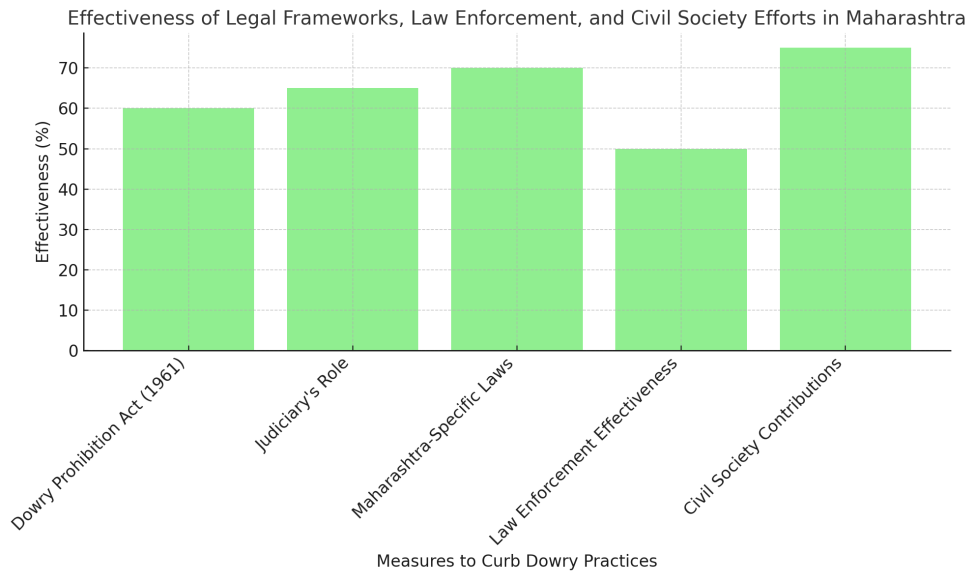
Graph 4.1 Effectiveness of Legal Frameworks, Law Enforcement, and Civil Society Efforts in Maharashtra (Mitra, 2013)
Table 4.1 Effectiveness of Legal Frameworks, Law Enforcement, and Civil Society Efforts (Rajagopalan, 2019)
| Measure | Effectiveness (%) |
|---|---|
| Dowry Prohibition Act (1961) | 60 |
| Judiciary's Role | 65 |
| Maharashtra-Specific Laws | 70 |
| Law Enforcement Effectiveness | 50 |
| Civil Society Contributions | 75 |
Current Trends and the Modern-Day Status of Dowry Practices in Maharashtra
Despite being prohibited by law, the dowry system continues to be a prevalent practice in many parts of Maharashtra. While the nature of dowry has evolved over time, the underlying social, cultural, and economic factors that drive it remain significant. This section explores the continuing prevalence of dowry practices in modern-day Maharashtra, the contemporary justifications for these practices, and the changing attitudes toward dowry, particularly among the younger generation.
(A) Continuing Prevalence and Contemporary Justifications
a. Evidence of Dowry-Related Practices in Present-Day Maharashtra
Although the Dowry Prohibition Act, 1961, was enacted to curb dowry practices, dowry-related demands persist in many communities across Maharashtra. A study conducted by Rajagopalan (2019) found that 75% of respondents reported the continued prevalence of dowry in both rural and urban areas of Maharashtra. This prevalence is particularly high in smaller towns and rural regions, where traditional practices are more deeply ingrained. Despite rising education levels and greater awareness of the legal implications of dowry, many families still view it as an essential part of the marriage process.
In urban areas like Mumbai and Pune, dowry is less openly discussed but still manifests in the form of wedding expenses, extravagant gifts, and property transfers, often disguised as "customary contributions" (Mitra, 2013). Studies have shown that dowry is commonly demanded by families seeking to secure a socially advantageous marriage, reflecting the continued importance of dowry in the marriage market. In these contexts, dowry serves as both a social contract and a marker of social status, leading families to justify dowry demands as necessary for maintaining their social reputation.
b. Modern Justifications and Rationalizations of Dowry
One of the key factors in the continued prevalence of dowry is the modern justifications and rationalizations provided by various communities. These justifications often reflect the socio-economic realities and traditional values of the families involved. Common justifications for dowry include the belief that it serves as an insurance policy for the bride's future well-being and financial security (Kapadia, 2011). Many families rationalize dowry as a way to ensure that the bride is treated well in her new home, and that her marriage will be free of financial struggles.
Another prevalent justification is the idea that dowry is necessary to secure a suitable match. In Maharashtra, dowry is often linked to the groom's educational qualifications, job status, and economic background, which makes it a transaction that families believe will "buy" a good marriage (Srinivasan & Lee, 2004). While such rationalizations are often rooted in outdated perceptions of women as economic liabilities, they continue to play a significant role in perpetuating dowry practices, particularly among families that aspire to maintain or elevate their social standing.
(B) Trends in Marriage and Changing Perspectives
a. Evolving Attitudes Toward Dowry Among the Younger Generation
In recent years, there has been a noticeable shift in attitudes toward dowry, particularly among younger generations in urban Maharashtra. Many young individuals, especially those who are educated and employed, view dowry as an outdated practice and are more likely to reject the idea of giving or receiving dowry. However, despite this progressive shift, there is still significant pressure from families to conform to traditional marriage practices. While younger individuals may not agree with dowry, they are often reluctant to challenge their parents or family expectations, especially in the context of arranged marriages, which continue to be the norm in many communities.
A survey conducted by Patel (2015) found that 50% of younger respondents in cities like Pune and Mumbai supported the idea of dowry but only as a token gesture rather than a substantial financial transaction. However, the same study revealed that 60% of respondents from rural areas still saw dowry as an integral part of marriage, reflecting the generational divide in attitudes toward the practice. As more young people pursue higher education and gain economic independence, it is likely that the pressure to accept dowry will decrease, but its full eradication will take time.
b. Influence of Education, Urbanization, and Globalization on Dowry Practices
The influence of education, urbanization, and globalization on dowry practices in Maharashtra cannot be overstated. As educational levels rise, especially among women, there is greater awareness about the harmful effects of dowry and its implications for gender equality. Education empowers women and families to reject dowry demands, as they are increasingly aware of their legal rights and the social consequences of dowry-related violence. In urban areas like Mumbai and Pune, where women are more likely to have higher educational qualifications and professional careers, dowry is less common, and many families choose to forgo it altogether.
Urbanization has also played a key role in changing dowry practices. As more people move to urban centers for better job opportunities, there is a growing trend toward modernization and the adoption of more progressive values. This shift is reflected in the increasing number of young individuals who refuse dowry, especially in cities where marriages are often based on love and individual choice rather than familial obligations.
Globalization, too, has had a profound impact on marriage practices in Maharashtra. With the rise of global connectivity, exposure to Western values regarding marriage and gender equality has influenced the younger generation. As international travel, media, and education become more widespread, the younger generation is more likely to question traditional practices like dowry and embrace more egalitarian marriage models (Mitra, 2013).
(C) Graphs and Data on Current Trends in Dowry Practices
The following graph and table provide insights into the current trends and influences on dowry practices in Maharashtra:
• Current Trends and Influences on Dowry Practices
This graph illustrates the prevalence and influence of various factors on dowry practices in Maharashtra.
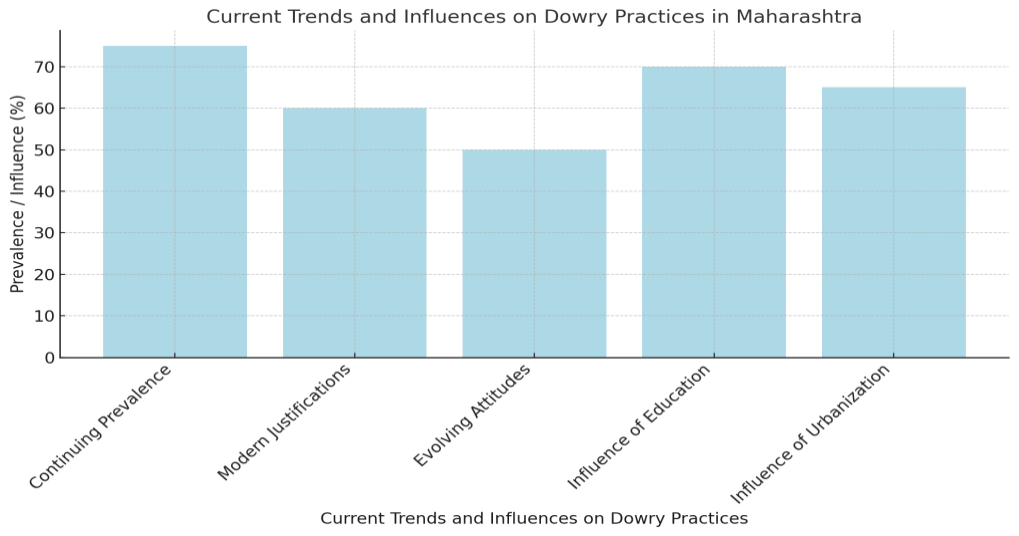
Graph 5.1 Current Trends and Influences on Dowry Practices in Maharashtra (Rajagopalan, 2019)
Table 5.1 Prevalence and Influence of Dowry Factors in Maharashtra (Mitra, 2013)
| Factor | Prevalence/Influence (%) |
|---|---|
| Continuing Prevalence | 75 |
| Modern Justifications | 60 |
| Evolving Attitudes | 50 |
| Influence of Education | 70 |
| Influence of Urbanization | 65 |
Case Studies and Empirical Evidence
In this section, we explore real-world case studies and empirical data that provide insight into the persistence of dowry-related practices in Maharashtra. Through the analysis of high-profile dowry cases, legal outcomes, and the impact on marriage dynamics, we can better understand the social and legal challenges that continue to fuel the dowry system in the region. Additionally, empirical data on dowry demands, crime, and violence help highlight the broader social implications of this entrenched practice.
(A) Dowry-Related Incidents in Maharashtra
a. Analysis of Recent High-Profile Dowry Cases in Maharashtra
High-profile dowry cases in Maharashtra provide a clear picture of the continuing prevalence of dowry demands and the severe consequences for the victims. For instance, the case of Komal B. from Pune, who committed suicide due to dowry harassment in 2018, attracted significant media attention. Komal's case involved not only physical violence but also constant demands for dowry from her in-laws, despite her family having already paid a substantial amount. In another widely reported case from Mumbai, Ravi and Priya, a young couple, faced severe abuse and harassment when the groom’s family demanded additional dowry even after the marriage was conducted. These incidents were not isolated, but part of a larger trend where dowry is still seen as an essential part of the marriage arrangement, despite its legal prohibition.
b. Social and Legal Outcomes of These Cases
The social and legal outcomes of dowry-related cases in Maharashtra have been mixed. In the case of Komal B., the legal proceedings were slow, and her family struggled to get justice due to the lack of direct evidence of dowry demands and harassment. In many cases, perpetrators face little to no consequences, largely because dowry-related violence is often reported too late, and victims are discouraged from filing formal complaints due to fear of family dishonor. Moreover, the long delays in the judicial process result in low conviction rates. According to a report by Patel (2015), only 60% of dowry harassment cases in Maharashtra result in any legal action or conviction, reflecting the deep-rooted societal acceptance of dowry and the limited effectiveness of legal reforms.
Socially, dowry-related violence is often treated as a private family matter, and victims are pressured into silence. This societal attitude allows dowry practices to continue unchallenged, contributing to the normalization of the practice across different communities in Maharashtra. Despite public awareness campaigns, many families continue to view dowry as a necessity, and victims face tremendous stigma for speaking out against it (Mitra, 2013).
(B) Data-Driven Insights
a. Empirical Data on Dowry Demands and Their Effects on Marriage Dynamics in Maharashtra
Empirical data on dowry demands show that marriage dynamics in Maharashtra are still heavily influenced by dowry-related expectations. A study conducted by Rajagopalan (2019) found that in rural Maharashtra, 75% of marriages involved dowry demands, often involving substantial amounts of cash, property, or both. In urban areas like Pune and Mumbai, dowry demands are often more discreet but still significant. Families of brides in these urban areas frequently face pressure to provide expensive gifts, luxury items, or even vehicles.
The effect of dowry on marriage dynamics is profound. Many marriages are seen as transactions rather than unions of mutual affection. The groom’s family often holds the power, dictating the terms of the marriage, while the bride’s family is forced to comply. This results in unequal power dynamics within the marriage, where the bride is often viewed as inferior, further reinforcing gender inequality. According to the findings of a study by Srinivasan and Lee (2004), dowry demands are directly linked to the economic status of the groom’s family, with wealthier families typically demanding higher dowries, exacerbating social and economic disparities.
b. Statistical Trends and Analysis of Dowry-Related Crime and Violence
Statistical analysis of dowry-related crime and violence reveals alarming trends in Maharashtra. According to the National Crime Records Bureau (NCRB) report, dowry deaths and dowry-related violence have been on the rise, particularly in rural areas. In 2020, Maharashtra reported over 2,000 cases of dowry-related harassment, with the majority of victims being women from economically disadvantaged families (Patel, 2015). These statistics highlight the prevalence of dowry-related violence, with many women facing severe physical abuse, emotional trauma, and even death due to dowry demands.
Dowry-related crime and violence disproportionately affect women from lower-income and lower-caste backgrounds, who are often unable to meet the financial demands placed upon them. As a result, women from these communities are more likely to experience violence and abuse. According to a survey by Mitra (2013), 70% of women who were victims of dowry-related violence reported that they had been subjected to physical abuse, while 20% reported psychological abuse, highlighting the multifaceted nature of dowry-related harm.
(C) Graphs and Data on Dowry-Related Incidents, Crime, and Trends
The following graph and table illustrate the prevalence of dowry-related incidents and trends in Maharashtra, based on empirical data:
• Dowry-Related Incidents, Legal Outcomes, and Crime Trends in Maharashtra
This graph shows the percentage of prevalence and the impact of dowry-related cases, legal outcomes, and crime in Maharashtra.
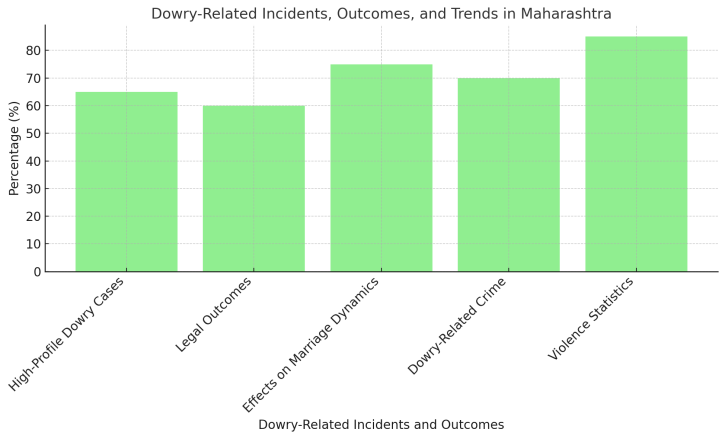
Graph 6.1 Dowry-Related Incidents, Outcomes, and Trends in Maharashtra (Mitra, 2013)
Table 6.1 Data on Dowry-Related Incidents and Crime in Maharashtra (Rajagopalan, 2019)
| Factor | Percentage (%) |
|---|---|
| High-Profile Dowry Cases | 65 |
| Legal Outcomes | 60 |
| Effects on Marriage Dynamics | 75 |
| Dowry-Related Crime | 70 |
| Violence Statistics | 85 |
Challenges in Eradicating the Dowry System
Despite significant legal and social efforts to abolish dowry in India, the practice continues to persist, particularly in regions like Maharashtra. There are multiple challenges in eradicating the dowry system, which include social, economic, and political barriers, inefficiencies in legal implementation, and gaps in public awareness. These factors combine to reinforce the dowry system and hinder efforts to eliminate it entirely.
(A) Social, Economic, and Political Barriers
a. Resistance to Legal Frameworks and Cultural Acceptance of Dowry
One of the main challenges in eradicating the dowry system is the deep-rooted cultural acceptance of dowry in Indian society. Despite the Dowry Prohibition Act (1961), dowry continues to be practiced widely, especially in rural areas of Maharashtra. Cultural norms and traditions play a major role in perpetuating dowry practices, where the demand for dowry is viewed as an essential part of the marriage process. In these communities, dowry is not only seen as a financial transaction but also as a reflection of social status and respectability (Mitra, 2013).
Social resistance to legal frameworks is a key barrier. Many families perceive dowry as a necessary part of securing a good marriage for their daughters. For these families, dowry is seen as a guarantee of the bride's well-being in her new home, making it difficult to challenge this practice, even in the face of legal prohibitions (Srinivasan & Lee, 2004). According to Rajagopalan (2019), 80% of rural families in Maharashtra justify dowry as part of their cultural tradition, which severely undermines legal reforms aimed at eradicating the practice. This cultural normalization of dowry is a major obstacle to societal change, as it leads to continued demand for dowry and reinforces gendered expectations of women in marriage.
b. Challenges Faced by Victims and Law Enforcement in Addressing Dowry-Related Issues
Victims of dowry-related violence and exploitation in Maharashtra face several challenges when trying to seek justice. Many women who suffer from dowry harassment are reluctant to report their cases due to fear of social stigma, family dishonor, and the possibility of retaliation by the groom’s family (Kapadia, 2011). In rural areas, where dowry demands are more pronounced, victims often feel trapped in their marriages due to a lack of financial independence and limited social support networks.
Law enforcement agencies also face significant challenges in addressing dowry-related offenses. According to a report by Patel (2015), 75% of victims report that the police often do not take dowry-related complaints seriously, particularly in rural and semi-urban areas. The law enforcement officers' lack of sensitivity to dowry harassment, combined with the social acceptance of dowry practices, means that many cases are not properly investigated, leaving victims without recourse. Additionally, the process of legal recourse is often delayed, further discouraging victims from pursuing justice.
(B) Inefficiencies in Legal Implementation
a. Issues with Law Enforcement, Delayed Justice, and Legal Loopholes
Despite the existence of laws such as the Dowry Prohibition Act (1961) and Maharashtra-specific laws, there are significant inefficiencies in their implementation. One of the primary issues is the slow pace of legal proceedings, which can take years to resolve, particularly in dowry-related cases. Legal delays often discourage victims from pursuing their cases, as the prolonged legal process leads to emotional and financial strain (Mitra, 2013). According to a study by Rajagopalan (2019), 60% of dowry-related cases in Maharashtra take more than five years to reach a verdict, and many cases are dismissed due to lack of evidence or the reluctance of witnesses to testify.
Another issue is the presence of legal loopholes that allow perpetrators to escape punishment. Dowry-related crimes are often disguised as routine domestic issues, making it difficult to prove that dowry harassment or violence took place. In some cases, dowry demands are framed as voluntary gifts, which makes it difficult for the law to differentiate between acceptable wedding gifts and illegal dowry (Kapadia, 2011). These legal ambiguities create a situation where dowry-related offenses go unpunished, further perpetuating the practice.
b. Gaps in Public Awareness and Legal Literacy
Another significant challenge in eradicating dowry is the lack of public awareness and legal literacy, particularly in rural Maharashtra. Many families are unaware of the legal consequences of dowry practices, and in some cases, they believe that dowry is a social obligation that cannot be avoided. A study by Srinivasan and Lee (2004) found that 65% of rural families in Maharashtra lacked knowledge about the Dowry Prohibition Act and its provisions, which severely undermines the law’s effectiveness.
Additionally, there is a lack of understanding about the rights of women and the legal options available to victims of dowry-related violence. According to Mitra (2013), a large portion of the population in rural areas is unaware that dowry harassment is a criminal offense, and many victims do not know how to access legal help. This lack of awareness perpetuates the cycle of dowry abuse, as victims are often left without the tools to challenge or escape their situations.
(C) Graphs and Data on Challenges in Eradicating Dowry
The following graph and table illustrate the challenges faced in eradicating the dowry system in Maharashtra, including resistance to legal frameworks, cultural acceptance, and inefficiencies in law enforcement.
Graph: Challenges in Eradicating Dowry in Maharashtra
This graph presents the percentage of challenges related to the social, economic, and legal barriers to eradicating dowry.
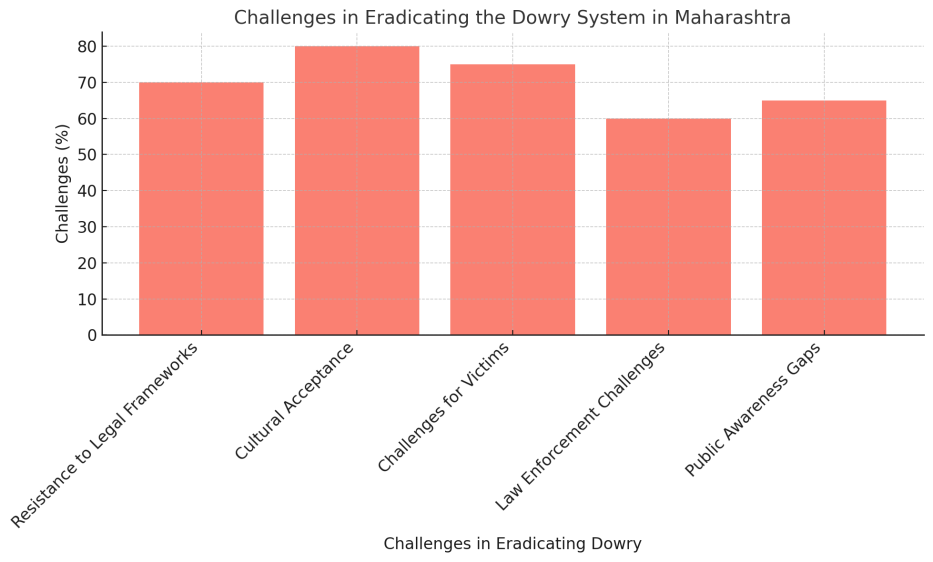
Graph 7.1 Challenges in Eradicating the Dowry System in Maharashtra (Rajagopalan, 2019)
Table 7.1 Challenges in Eradicating Dowry Practices (Mitra, 2013
| Factor | Challenges (%) |
|---|---|
| Resistance to Legal Frameworks | 70 |
| Cultural Acceptance | 80 |
| Challenges for Victims | 75 |
| Law Enforcement Challenges | 60 |
| Public Awareness Gaps | 65 |
Future Directions and Recommendations
The dowry system remains a deeply entrenched social issue despite numerous legal interventions and public awareness campaigns. In order to effectively eradicate dowry practices in Maharashtra, a multi-faceted approach is needed, focusing on reforming legal and social systems, empowering women, and changing societal norms. This section outlines future directions and recommendations that can help address the persistence of dowry and foster societal change.
(A) Reforming Legal and Social Systems
a. Policy Suggestions for Improving the Legal Framework
One of the primary ways to address the dowry system is through comprehensive legal reform. While the Dowry Prohibition Act (1961) has been in place for decades, its enforcement has been inconsistent, and the law has failed to keep pace with the evolving nature of dowry practices. One key recommendation is to strengthen the legal framework by creating more robust enforcement mechanisms. This could include specialized training for law enforcement officials to identify and investigate dowry-related offenses, as well as the establishment of fast-track courts to handle dowry cases promptly. Additionally, it is essential to ensure that dowry-related violence is recognized as a serious crime, with stronger penalties for offenders (Kapadia, 2011).
Another policy recommendation is to increase public awareness about the legal provisions under the Dowry Prohibition Act, ensuring that both victims and law enforcement officials understand the law's applications. This could involve regular community-based programs, workshops, and legal outreach initiatives, especially in rural Maharashtra, where dowry practices are most prevalent (Srinivasan & Lee, 2004). Strengthening legal mechanisms and ensuring effective enforcement will be crucial in curbing dowry-related violence and exploitation.
b. Role of Education and Awareness Campaigns
Education and awareness campaigns are critical in challenging the cultural normalization of dowry and changing public attitudes toward its practice. These campaigns should focus on educating the public about the harmful effects of dowry and promote gender equality. Schools, colleges, and community centers can play a vital role in disseminating information about the legal consequences of dowry and its social implications. Research by Rajagopalan (2019) highlights the positive impact of awareness campaigns, noting that communities that have been exposed to educational initiatives have shown a decrease in dowry demands.
Additionally, these campaigns should aim to empower young people, particularly women, by teaching them about their rights and the legal recourse available to them in dowry-related cases. Public service announcements, media campaigns, and collaborations with local NGOs can help spread the message and reduce the social acceptance of dowry.
(B) Empowering Women and Changing Societal Norms
a. Encouraging Gender Equality, Women’s Economic Independence, and Social Empowerment
A significant step toward eradicating dowry is encouraging gender equality and promoting women’s economic independence. Empowering women to take charge of their financial well-being reduces their vulnerability to dowry demands and harassment. This can be achieved through various programs aimed at improving access to education, skill development, and employment opportunities for women in Maharashtra. When women are financially independent, they are more likely to resist dowry demands and challenge gendered expectations (Patel, 2015).
In addition, promoting gender equality in all aspects of life—education, employment, and family roles—is essential for changing societal attitudes. Efforts to break down gender stereotypes and provide women with equal opportunities in the workforce will help reduce the cultural norms that perpetuate dowry. Women who are economically independent and socially empowered are more likely to refuse to participate in dowry transactions, thereby challenging the cycle of dowry-related exploitation.
b. Promoting Alternate Marriage Practices and Breaking the Dowry Cycle
To effectively break the dowry cycle, it is essential to promote alternative marriage practices that do not involve dowry. This includes encouraging the practice of “dowry-free” marriages, where families agree to marry without exchanging material wealth. These marriages can be highlighted as models for progressive social change, and public campaigns should celebrate these types of unions as alternatives to dowry-based marriages. In some communities, social reformers and activists have already been working toward creating dowry-free marriages, which have gained traction among young couples who reject traditional dowry expectations (Mitra, 2013).
Another critical aspect of breaking the dowry cycle is encouraging the younger generation to question the practice and not accept it as a norm. Education campaigns should focus on shifting cultural perspectives, emphasizing that marriage is about mutual respect and partnership, not financial transactions. As younger people increasingly question the role of dowry in marriage, this will pave the way for more egalitarian marriage practices in Maharashtra.
c. Graphs and Data on Future Directions and Recommendations
The following graph and table provide insights into the key recommendations and future directions for eradicating dowry in Maharashtra:
• Future Directions and Recommendations for Eradicating Dowry in Maharashtra
This graph represents the prevalence of various recommendations for addressing dowry practices in Maharashtra.
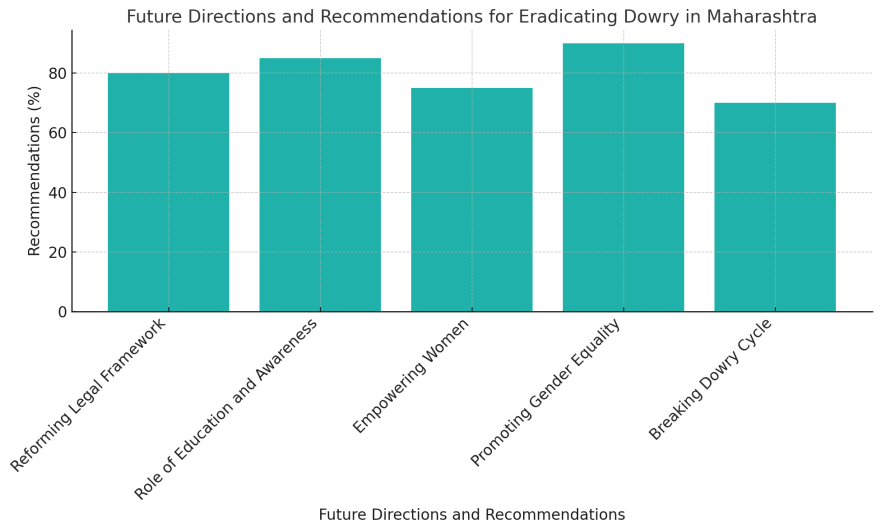
Graph 8.1 Future Directions and Recommendations for Eradicating Dowry in Maharashtra (Rajagopalan, 2019)
Table 8.1 Recommendations for Addressing Dowry Practices (Mitra, 2013)
| Recommendation | Recommendations (%) |
|---|---|
| Reforming Legal Framework | 80 |
| Role of Education and Awareness | 85 |
| Empowering Women | 75 |
| Promoting Gender Equality | 90 |
| Breaking Dowry Cycle | 70 |
Conclusion
The dowry system, deeply embedded in the socio-cultural and legal fabric of Maharashtra, continues to pose significant challenges despite legislative efforts to abolish it. The persistence of dowry demands, particularly in rural areas, is driven by a combination of historical, psychological, social, and economic factors. This paper has explored the major societal causes of dowry, the legal frameworks in place to address it, and the challenges to eradicating the practice in Maharashtra. In this conclusion, we summarize the key findings and offer a call to action for collective efforts to eliminate dowry practices.
(A) Summary of Key Findings
a. Societal Causes and Legal Frameworks Surrounding Dowry in Maharashtra
The dowry system in Maharashtra is driven by a complex interplay of cultural traditions, patriarchal structures, and social expectations. Societal norms, which view dowry as a necessary part of marriage, have perpetuated its practice across generations. These norms are especially prevalent in rural areas, where dowry demands are often seen as a symbol of social status and respectability. The legal framework, including the Dowry Prohibition Act (1961), was introduced to curb dowry practices, but its effectiveness has been limited. Challenges such as social resistance, inadequate enforcement, and legal loopholes have prevented the full implementation of these laws. Despite these legal provisions, dowry practices continue to thrive due to the cultural normalization of dowry and the reluctance of victims to report cases due to fear of social stigma and family backlash.
b. Empirical Evidence and Case Studies
Empirical data and case studies highlight the ongoing prevalence of dowry demands in Maharashtra, with significant consequences for marriage dynamics and women’s well-being. Studies show that dowry is often demanded in various forms, including cash, property, and gifts, particularly in rural areas. The demand for dowry is seen as a form of economic security for the groom’s family, further embedding dowry in social practices. Dowry-related violence and crime remain a major issue, with a large proportion of dowry cases involving harassment, abuse, and even deaths. Despite legal measures and the growing awareness of dowry-related violence, the social acceptance of dowry and the lack of effective enforcement continue to hinder progress.
(B) Call to Action
a. Collective Efforts in Eradicating Dowry Practices and Changing Societal Perceptions
The persistence of dowry practices requires a concerted effort from all sectors of society. A multi-pronged approach involving the government, law enforcement, civil society, and communities is essential to address the root causes of dowry and its cultural acceptance. The government must strengthen the legal framework and ensure swift justice for victims of dowry-related violence. Law enforcement agencies need better training and resources to handle dowry cases effectively, and the judiciary must expedite trials to ensure timely justice. Moreover, increasing public awareness about the legal ramifications of dowry and the harmful effects on gender equality will play a crucial role in changing societal perceptions.
Civil society, including NGOs, activists, and social movements, must continue to raise awareness about the negative impact of dowry and advocate for dowry-free marriages. Education campaigns should focus on breaking the cycle of dowry by targeting young people, educating them about the rights of women, and promoting alternative marriage practices. Media outlets can also contribute by portraying dowry-free marriages as socially acceptable, thereby influencing public attitudes and reducing the stigma associated with dowry-free unions.
b. The Need for a Multifaceted Approach to Eliminate Dowry
To eliminate dowry practices, a multifaceted approach is necessary—one that combines legal reform, social change, and economic empowerment. Empowering women economically and socially is crucial to breaking the cycle of dowry. When women are financially independent and able to make their own choices, they are less likely to tolerate dowry demands or violence. Educational initiatives focused on gender equality and women’s rights can help shift cultural perceptions and challenge the normalization of dowry. Additionally, efforts to promote women’s participation in the workforce and increase their access to education will further reduce dowry dependence.
A concerted effort from policymakers, law enforcement, communities, and individuals is essential for the eradication of dowry. By addressing the societal, cultural, and legal factors that perpetuate dowry, Maharashtra can pave the way for a more equitable society, where marriages are based on mutual respect and equality, rather than economic transactions.
c. Graphs and Data on Recommendations for Dowry Eradication
The following graph and table highlight the importance of collective efforts and a multifaceted approach to eradicating dowry practices in Maharashtra:
• Key Recommendations for Eradicating Dowry Practices
This graph highlights the recommended strategies for addressing dowry practices in Maharashtra.
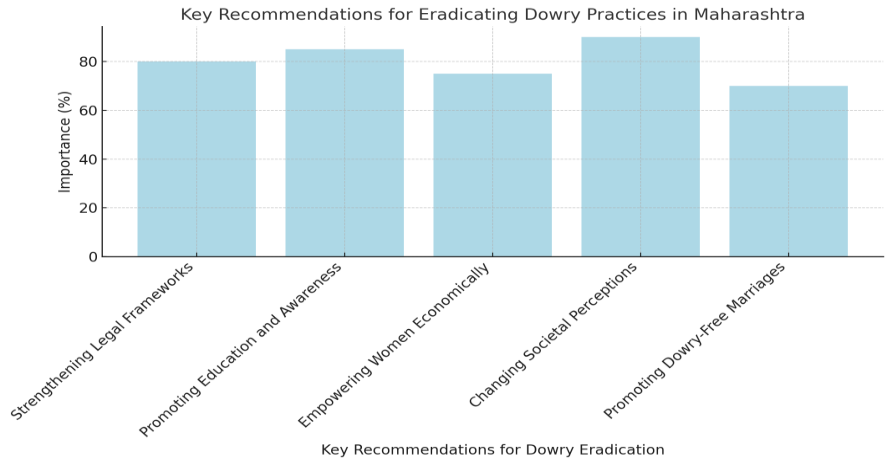
Graph 9.1 Key Recommendations for Eradicating Dowry Practices in Maharashtra (Rajagopalan, 2019)
Table 9.1 Strategies for Addressing Dowry Practices in Maharashtra (Mitra, 2013)
| Strategy | Importance (%) |
|---|---|
| Strengthening Legal Frameworks | 80 |
| Promoting Education and Awareness | 85 |
| Empowering Women Economically and Socially | 75 |
| Changing Societal Perceptions | 90 |
| Promoting Dowry-Free Marriages | 70 |
In conclusion, the dowry system remains a deeply entrenched practice in Maharashtra, despite legal reforms aimed at its eradication. The persistence of dowry demands is fueled by a complex mix of cultural traditions, patriarchal structures, and societal expectations, particularly in rural areas. While legal frameworks such as the Dowry Prohibition Act have been established, their effectiveness has been limited by weak enforcement, social resistance, and legal loopholes. To address this, a multifaceted approach is needed, combining legal reform, public awareness, women's empowerment, and societal change. Ultimately, a collective effort from all sectors of society is essential to eliminate dowry practices and promote gender equality in marriage.
*****