
INTRODUCTION
Digital communication is inextricably intertwined with electoral politics. Whether through Facebook, YouTube, Instagram, X and WhatsApp, these platforms everywhere have become the primary medium by which political actors seek to reach voters and by which citizens form opinions. The rapid development of AI-driven content, such as deepfakes, synthetic audio, automated messaging and algorithmic targeting, has accelerated these dynamics. Researchers have documented, among other things, how online networks can influence political mobilisation (Bond et al., 2012), shape the diversity of information exposure (Bakshy et al., 2015) and, under certain conditions, amplify misinformation (Allcott & Gentzkow, 2017).
By early 2024, global social media penetration reached approximately 62 percent, representing over five billion active accounts (DataReportal, 2024a). This connectivity enables real-time communication between voters, political parties and electoral authorities. However, social media platforms can also accelerate the spread of misinformation and manipulated content, undermining public trust in electoral outcomes (Oxford Internet Institute, 2023). Freedom House (2024) reports declines in political rights and civil liberties in more than fifty countries in 2023, with flawed elections and information manipulation as primary factors.
In this context, concern over the integrity and credibility of elections has grown across the world. The credibility of elections is, at bottom, a matter of public trust. Democratic legitimacy is fostered when voters believe campaigns are transparent, information is reliable and election authorities act impartially. But when digital platforms become saturated with unverified claims, foreign interference, microtargeted misinformation and AI-generated fabrications, perceptions of electoral fairness may be undermined (UNESCO & UNDP, 2025; Brennan Center, 2025). International IDEA, too, warns that unregulated digital campaigning threatens equal opportunity in elections (International IDEA, 2024). In light of such understandings, Figure 1 provides the conceptual framework that links social media, AI and election credibility.
Figure 1. Conceptual Framework Linking Social Media, AI and Election Credibility
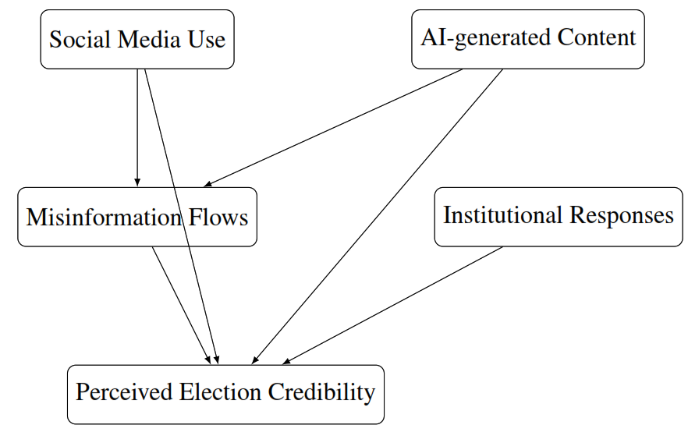
To guide the discussion, the paper presents a conceptual model (Figure 1) that synthesizes research on political communication, information disorder and election integrity. This figure illustrates the multi-layered interaction among:
1. Digital information flows (social media content, AI-generated media, political advertising),
2. Citizen perception formation (trust, skepticism, polarization),
3. Institutional safeguards (media freedom, regulatory frameworks, election commissions) and
4. Election credibility (public acceptance of outcomes, perceived fairness).
This conceptual framework does not rely on numerical data but reflects dominant themes in political communication scholarship (Cialdini & Goldstein, 2004; Kreiss, 2012), democracy assessments (International IDEA, 2021, 2023) and information-disorder literature (Talwar et al., 2020; UNESCO & UNDP, 2025).
LITERATURE REVIEW
Research in digital politics has expanded rapidly. Early scholarship focused on the mobilisational potential of online platforms, illustrated by Barack Obama’s 2008 and 2012 campaigns, which highlighted the power of networked organizing (Kreiss, 2012). Behavioral research showed that social networks can spread political influence through interpersonal ties (Fowler & Christakis, 2008). Subsequent research revealed that social media can diversify political news consumption while, at the same time, reinforcing ideological echo chambers (Bakshy et al., 2015). The prominence of misinformation increased after the 2016 United States presidential elections, with Allcott and Gentzkow (2017) reporting that fabricated online stories spread widely and often reached more people than mainstream news articles. Talwar et al. (2020) discussed the motives behind the spread of fake news, such as cognitive biases and social compliance, consistent with the classic social influence models (Cialdini & Goldstein, 2004).
Global reports indicate growth in social media usage across continents, yet the risks associated with misinformation are equally pervasive (DataReportal, 2024a; DataReportal, 2024b). Scholars highlight that social media can amplify political engagement but also spread false content, state-sponsored propaganda and algorithmically boosted narratives (Oxford Internet Institute, 2023). Countries with weak media institutions are particularly vulnerable, as misinformation erodes trust in elections (V-Dem Institute, 2023; Freedom House, 2024). Media freedom is therefore a key structural safeguard; independent journalism promotes accountability and transparency. Socioeconomic and developmental factors, such as GDP per capita and digital infrastructure, further influence how citizens access and evaluate information (World Bank, 2024).
More recent studies underline an unparalleled problem: AI-generated content. Deepfakes, artificially generated images and doctored recordings have been extensively described as a factor in shaping public opinion about politicians and institutions (Chandra et al., 2025). Global mapping studies suggest that election-related deepfakes reached billions of users in 2024 alone (Surfshark, 2025). Such issues are particularly serious in situations where regulatory protections and levels of digital literacy are low. Election management bodies have adopted measures to respond to these new challenges, for example, issuing guidelines for political campaigning on social media. The Election Commission of India, for instance, demands pre-certification of political advertisements on digital platforms (2024). International IDEA demands multi-stakeholder frameworks to ensure electoral integrity in the digital age (2024). These policy insights provide a background for the discussion presented in the next sections.
GLOBAL CONTEXT: SOCIAL MEDIA AND ELECTIONS
The integration of digital platforms into electoral processes reflects regional differences in internet penetration, political communication modalities and the robustness of national institutions. Figure 2 depicts a model of information flow across global digital campaign ecosystems.
Figure 2. Information Flow Model in Digital Campaign Ecosystems
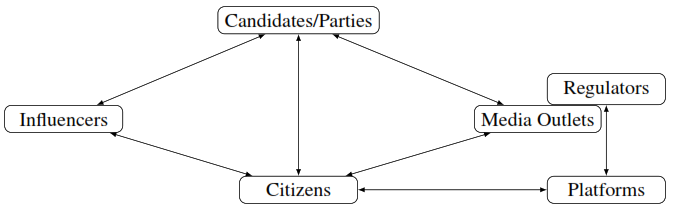
A model representing bidirectional interactions among candidates, parties, media entities, influencers, citizens, platforms and regulatory bodies.
North America: North America is at the center of the academic and policy discussions around misinformation and algorithmic targeting, with the United States being the most prominent example. Based on the experience of the 2016 and 2020 elections (Allcott & Gentzkow, 2017), the concerns escalated during the 2024 presidential campaign, where there was an increase in AI-generated misinformation and the resurfaced foreign interference came pointedly from Russia and Iran (Brookings Institution, 2024; Meta, 2024). Independent public surveys show that people find it increasingly hard to tell what information is credible and that political polarization has increased (Pew Research Center, 2024). Canada, meanwhile, has taken more precautionary measures, such as digital registries for political ads, in order to improve transparency.
South America: WhatsApp networks have distinctly shaped the electoral dynamics of Brazil. In the presidential contests of both 2018 and 2022, the widespread dissemination of false rumors raised concerns about platform encryption and traceability. Ahead of these elections, electoral authorities introduced restrictions on mass forwarding, reflecting institutional adaptation to platform-specific challenges.
Europe: The European Union has adopted the Digital Services Act and the Code of Practice on Disinformation, thereby imposing a legal duty on platforms to take steps to reduce injurious content and improve transparency. France and Germany have passed national laws designed to combat foreign digital interference. European election-management bodies stress information integrity and accountability of platforms.
Africa: Online mobilization related to elections in countries including Kenya, Nigeria and South Africa has notably increased. Social media campaigns targeting specific constituencies influenced the tenor of Kenya’s 2017 electoral season, stirring related regulatory changes for online political messaging. Digital literacy continues to be an issue, although civil-society networks are leading the way on verifying information.
Asia: India has one of the largest digital electorates in the world, with over a billion mobile subscribers and pervasive use of social media. India demonstrates both the opportunities and challenges of digital engagement. Electoral campaigns are increasingly migrating to digital mobilization. Now there are instances of spread of misinformation through WhatsApp, Facebook and YouTube demands robust institutional responses. SMPs have played significant roles in voter mobilization during general elections, but at the same time they have also been conduits for misinformation, including rumours about candidates and voting procedures (Oxford Internet Institute, 2023). Despite moderate social media penetration, India maintains strong electoral credibility due to regulatory oversight by the Election Commission and extensive voter education campaigns
Online manipulation is also a challenge in Southeast Asia, particularly in Indonesia and the Philippines. Oceania: Australia and New Zealand have instituted strong regimes for making digital campaigning more transparent. New Zealand’s 2023 elections saw a collaborative approach among election authorities, platforms and civil society in the fight against misinformation. Public trust in institutions is comparably high compared to other regions.
Ai-driven manipulation and deepfakes
Artificial Intelligence-generated content presents new risks to electoral integrity. Deepfakes have the potential to falsify candidate speeches, alter events, or misrepresent public officials (Chandra et al., 2025). Figure 3 illustrates the pathways of how AI-generated misinformation influences electoral perceptions. Figure 3: Pathways of Electoral Manipulation Through AI-Generated Content.
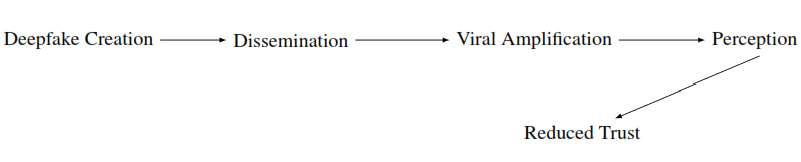 Figure 3. Pathways of Electoral Manipulation Through AI-generated Content
A diagram showing the sequence from deepfake creation to dissemination, viral amplification, distortion of perception and lowering of trust.] Mapping studies reveal that deepfakes were circulated globally during the election-heavy year of 2024 and reached billions of views (Surfshark, 2025). UNESCO and UNDP warn that even when such manipulations are later on disproved, they undermine voter confidence (2025).
Voter Trust and Perceptions of Election Credibility
Voter trust is influenced both by actual electoral practices and by perceptions created via digital communication.
Figure 4 demonstrates the dynamics of trust formation in high- and low-information environments.
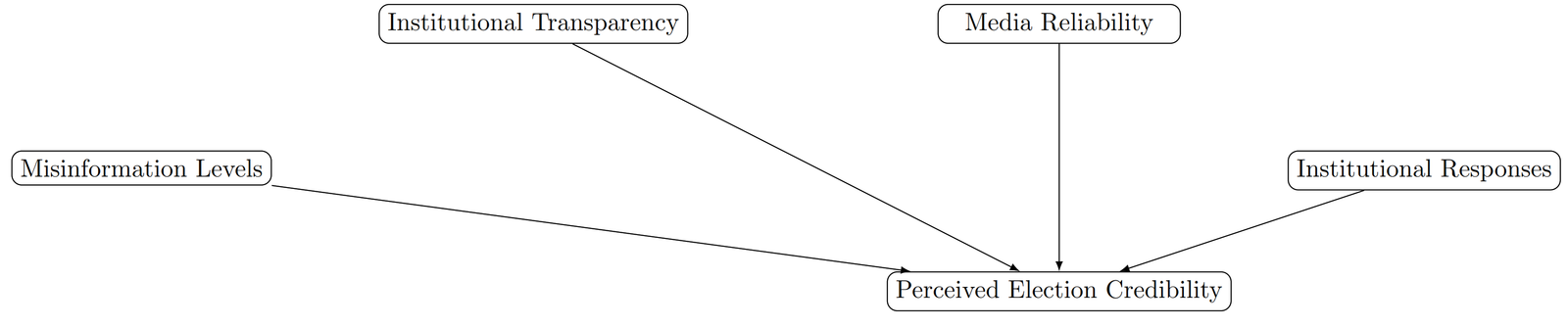
Figure 4 presents a conceptual model of how perceived election credibility is influenced by levels of transparency, media reliability, misinformation and institutional responses. It is documented that social networks spread feelings, behavior and political behavior quite quickly (Fowler & Christakis, 2008). When misinformation becomes pervasive, voters may mistrust the electoral process even when the facts are accurate (Brennan Center, 2025).
India in the Global Context
India represents one of the key examples of digital electoral transformation. During the wave of increasing internet penetration and gender-differentiated patterns of digital adoption (IAMAI–Kantar, 2024; DataReportal, 2025), political parties are increasingly using social media campaigns (Chadha & Harlow, 2019). The Election Commission of India (2024) implements stringent guidelines on the regulation of advertising through electronic media, mandating mandatory disclosures and pre-certification of advertisements. Misinformation about elections often spreads through WhatsApp and YouTube; such instances call for the intervention of civil society organizations and fact-checking networks. AI-generated manipulated content became prominent in the general elections of 2024 and invited greater regulatory scrutiny. Despite these challenges, India’s robust electoral administration and generally high voter turnout help maintain electoral credibility.
Global Regional Mapping of the Digital Election Ecosystem
To integrate the patterns described above, Figure 5 presents a conceptual global map of the contemporary election communication ecosystem.
Figure 5. Global Election Communication Ecosystem (Regional Illustration)
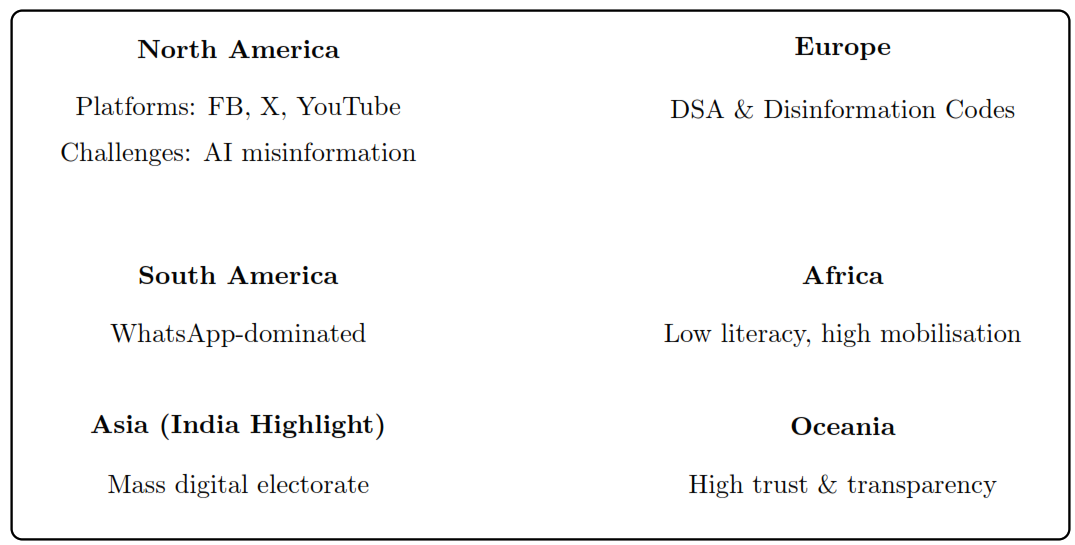
A world map showing different dominant platforms, regulatory approaches and challenges across each continent. This model reflects regional asymmetries in platform dominance, regulatory capacity and vulnerability to AI manipulation.
DISCUSSION
Global evidence underlines the fact that social media and artificial intelligence have come to assume both instrumental and destabilizing roles in electoral processes today. Digital platforms facilitate participation and empower citizens to engage more, but they also usher in vulnerabilities regarding misinformation, polarization and manipulation. Cross-national comparisons strongly identify the strength of institutions and regulatory frameworks as critical influences on electoral outcomes. Countries where the legal infrastructure is robust-for instance, the member states of the European Union, Australia, New Zealand-have managed digital harm with greater effectiveness. In contrast, countries where digital technologies have been rapidly adopted without, however, incurring corresponding gains in levels of media literacy-for example, India, Brazil, Kenya-present different challenges. The recent spread of deepfakes worldwide strengthens the case for coordinated governance and proactive communication by election authorities.
Policy Implications
International organizations, such as International IDEA (2024) and UNESCO & UNDP (2025), along with Election Management Bodies (EMBs) themselves, identify a number of priority areas. Election authorities should detail clear procedures for checking the veracity of online information, work with digital platforms to achieve more transparency in political advertising and enhance public literacy on digital manipulation. Besides, cross-border cooperation is necessary both to respond to foreign interference and to deal with the transnational nature of platform operations.
CONCLUSION
Elections in the digital era stand at the intersection of technology, communication and democratic governance. Social media and AI-powered technologies have transformed the creation, dissemination and interpretation of political messages. While these technologies create new avenues for participation and public engagement, they are also host to a range of risks that threaten to erode confidence in democratic institutions. Electoral integrity requires a multi-dimensional response that links institutional transparency, platform governance, public digital literacy and supranational cooperation. Digital technologies are still evolving and modern democracies need to respond quickly lest the integrity and legitimacy of elections be jeopardized worldwide.