
INTRODUCTION
“It is health that is real wealth and not pieces of gold and silver.”
— Mahatma Gandhi
India’s healthcare system is uniquely characterised by its pluralistic nature, where modern allopathic medicine coexists with traditional systems such as Ayurveda, Yoga, Unani, Siddha, and Homeopathy, collectively governed under the AYUSH framework. This diversity reflects not only the country’s rich cultural heritage but also the varied healthcare preferences of its population. In recent decades, there has been a noticeable rise in the reliance on traditional medicine, driven by factors such as affordability, accessibility, perceived safety, and a growing inclination towards holistic and preventive healthcare. Reports by the World Health Organization indicate that a significant portion of the global population continues to depend on traditional medical practices, and India represents a major contributor to this trend due to its institutional support for AYUSH systems.1
The importance of AYUSH in India’s public health landscape has been further reinforced through its integration into national health policies and programmes, including its role within the National Health Mission. The establishment of the Ministry of AYUSH has strengthened institutional capacity, expanded healthcare outreach, and facilitated the development of infrastructure dedicated to traditional medicine.2 However, alongside this growth, concerns regarding the effectiveness of regulation, standardisation of practices, quality control of medicines, and uniformity in enforcement have increasingly come to the forefront. The legal framework governing AYUSH, though comprehensive on paper, often encounters challenges in implementation across diverse regional contexts.
Despite the expanding role of traditional medicine, there remains a notable research gap in critically examining the adequacy and efficiency of its regulatory mechanisms from a legal perspective. Most existing studies tend to focus either on clinical efficacy or policy promotion, leaving the legal and governance dimensions relatively underexplored. Therefore, this study seeks to address this gap by analysing the AYUSH regulatory framework in India, with particular emphasis on identifying structural weaknesses and suggesting pathways for more coherent and effective governance.
Research Objectives and Methodology
This study is guided by three primary objectives: first, to examine the existing legal framework governing AYUSH systems in India; second, to evaluate the effectiveness of regulatory mechanisms in ensuring quality, safety, and standardisation; and third, to identify key gaps in implementation and enforcement across different regions. To achieve these objectives, the research adopts a doctrinal methodology, focusing on a detailed analysis of relevant statutes, including the National Commission for Homoeopathy Act, 2020 and the National Commission for Indian System of Medicine Act, 2020. In addition, the study relies on policy documents, government reports, and judicial decisions to understand the broader regulatory landscape and its practical implications. The doctrinal approach is particularly suitable for this research as it allows for a systematic examination of legal principles, statutory provisions, and institutional frameworks, thereby enabling a critical evaluation of the coherence, adequacy, and effectiveness of the AYUSH regulatory regime in India.
CONCEPTUAL BACKGROUND OF TRADITIONAL MEDICINE
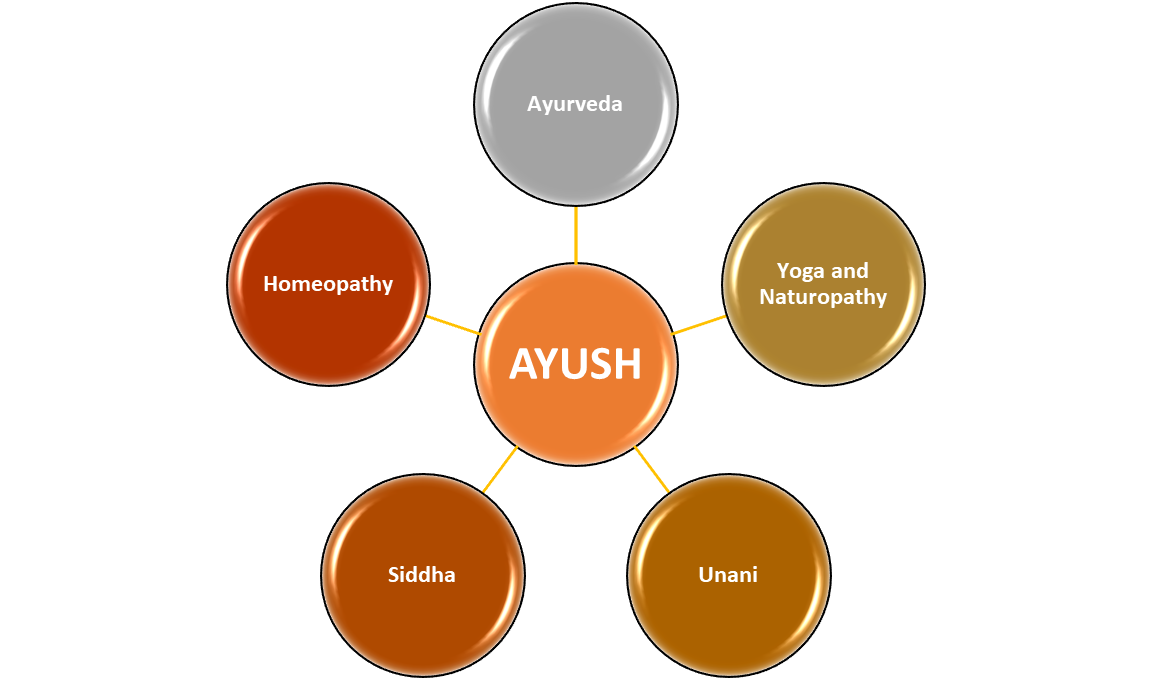
Figure 1: AYUSH Systems of India
Traditional medicine broadly refers to the knowledge, skills, and practices developed over generations within different cultures to maintain health and to prevent, diagnose, and treat illness. It includes a wide range of therapies such as herbal remedies, dietary practices, manual techniques, and mind–body approaches. In the Indian context, traditional medicine is institutionalised through the AYUSH systems that represent a comprehensive approach to healthcare grounded in holistic and preventive principles. The scope of traditional medicine extends beyond mere treatment, as it emphasises balance, lifestyle regulation, and long-term well-being, thereby offering an alternative perspective to disease-centric models of modern medicine.
At the global level, traditional medicine has gained increasing recognition, particularly through the work of the World Health Organization, which acknowledges its continued relevance in achieving universal health coverage.3 According to WHO reports, a significant proportion of the world’s population relies on traditional medicine for primary healthcare needs, especially in developing countries where access to modern medical facilities may be limited. The WHO Traditional Medicine Strategy highlights the need for integrating these systems into national healthcare frameworks while ensuring safety, quality, and efficacy through appropriate regulation. This global endorsement has encouraged many countries, including India, to strengthen institutional and legal mechanisms governing traditional healthcare practices.
In India, the evolution of traditional medicine reflects a transition from community-based, informal practices to a structured and regulated system.4 Historically rooted in ancient texts and indigenous knowledge systems, these practices gradually received state recognition, particularly after independence. The formal establishment of the Ministry of AYUSH marked a significant step towards the consolidation and promotion of these systems. Over time, dedicated educational institutions, research councils, and healthcare facilities have been developed to support AYUSH systems, thereby enhancing their legitimacy and reach within the national health framework.5
One of the most significant contributions of traditional medicine lies in its role in providing accessible and affordable healthcare.6 In many rural and underserved regions of India, AYUSH services often serve as the first point of contact for patients due to their lower cost, cultural acceptability, and wider availability. These systems also play an important role in managing chronic conditions and promoting preventive healthcare, reducing the burden on overstrained allopathic infrastructure. Thus, traditional medicine continues to function as a vital component of India’s healthcare system, bridging gaps in access while offering a complementary approach to health and wellness.
EVOLUTION OF AYUSH GOVERNANCE IN INDIA
The governance of traditional medicine in India has evolved from dispersed, community-based practices to a structured, state-supported system with defined legal and institutional frameworks. Historically, systems such as Ayurveda, Unani, and Siddha were transmitted through classical texts and apprenticeship models, functioning largely outside formal state regulation. During the colonial period, these indigenous systems experienced marginalisation as Western medicine gained official patronage.7 However, post-independence policy thinking gradually acknowledged the cultural, social, and practical relevance of traditional medicine, leading to renewed efforts to preserve and promote these systems within a modern healthcare framework.8 Early initiatives included the establishment of advisory bodies, research councils, and educational institutions aimed at standardising knowledge and improving professional training.
A major milestone in the evolution of governance was the institutional consolidation of traditional medicine under the Ministry of AYUSH, which provided a dedicated administrative structure for policy formulation, regulation, education, and research.9 This institutionalisation marked a shift from fragmented oversight to a more coordinated governance model. The Ministry has played a central role in framing policies, supporting research and development, promoting international cooperation, and enhancing the visibility of AYUSH systems both nationally and globally. It has also facilitated the creation of statutory bodies for regulating education and professional standards, thereby strengthening the credibility and accountability of practitioners.
Policy initiatives over the years have further integrated AYUSH into the broader public health system. A significant development in this regard has been its inclusion within the National Health Mission (NHM), where AYUSH services have been co-located with primary health centres, community health centres, and district hospitals. This integration aims to improve accessibility and provide patients with a choice of treatment systems within public healthcare facilities. Various national policies and programmes have also emphasised preventive healthcare, wellness promotion, and the use of traditional knowledge in addressing lifestyle diseases, thereby aligning AYUSH systems with contemporary health priorities.
The growth of AYUSH infrastructure reflects these policy commitments. Across India, there has been a steady increase in the number of AYUSH hospitals, dispensaries, educational institutions, and research centres.10 Government data indicates the presence of thousands of AYUSH health facilities functioning alongside allopathic services, particularly in rural and semi-urban areas. Additionally, initiatives such as digital health platforms, standard treatment guidelines, and pharmacopoeial development have contributed to strengthening the operational framework of these systems. Despite these advancements, challenges related to uniform implementation, quality assurance, and inter-system coordination continue to shape the ongoing evolution of AYUSH governance in India.
LEGAL FRAMEWORK GOVERNING AYUSH
The legal framework governing AYUSH systems in India has undergone a significant transformation in recent years, particularly with the enactment of modern regulatory statutes aimed at improving transparency, accountability, and quality in traditional healthcare. Two central legislations—the National Commission for Homoeopathy Act, 2020 and the National Commission for Indian System of Medicine Act, 2020—have replaced earlier regulatory bodies and introduced a more structured and standardized approach to governance. These Acts were enacted with the objective of reforming medical education, strengthening professional regulation, and ensuring the availability of competent practitioners in the AYUSH sector.
The National Commission for Homoeopathy Act, 2020 establishes a comprehensive framework for regulating education and practice in the field of homeopathy.11 It creates the National Commission for Homoeopathy (NCH) as the apex regulatory authority responsible for laying down policies, maintaining standards, and overseeing the functioning of subordinate boards. The Act provides for the establishment of autonomous boards such as the Board of Governors, the Medical Assessment and Rating Board for Homoeopathy, and the Board of Ethics and Registration for Homoeopathy. These bodies collectively regulate educational institutions, monitor quality of training, and maintain a national register of licensed practitioners. The emphasis is on merit-based selection, uniform curriculum, and continuous assessment, thereby addressing earlier concerns regarding inconsistencies in education and practice.
Similarly, the National Commission for Indian System of Medicine Act, 2020 governs systems such as Ayurveda, Unani, and Siddha.12 It establishes the National Commission for Indian System of Medicine (NCISM) with a structure parallel to that of the NCH. The Act aims to promote high standards of medical education, ensure ethical practice, and enhance institutional accountability. It introduces mechanisms for accreditation, periodic assessment of institutions, and uniform guidelines for admission and training. The creation of separate boards for education, assessment, and ethics reflects a move towards specialised regulation and improved governance. Both Acts signify a shift from earlier council-based systems to commission-based models, which are designed to be more dynamic and responsive to contemporary healthcare needs.
Licensing and registration form a crucial component of the AYUSH regulatory framework. Under both Acts, practitioners are required to be registered in the respective national or state registers in order to legally practise.13 The Board of Ethics and Registration plays a central role in maintaining these registers, ensuring that only qualified individuals are authorised to provide medical services. This system enhances accountability and enables regulatory bodies to take disciplinary action in cases of professional misconduct or malpractice. The introduction of a national register also facilitates mobility of practitioners across states, thereby improving access to healthcare services.
Education standards constitute another key pillar of the legal framework. Both Acts emphasise the need for a uniform and high-quality curriculum, supported by adequate infrastructure, faculty, and clinical exposure. Regulatory boards are empowered to inspect institutions, grant recognition, and take action against those failing to meet prescribed standards. Entrance examinations and merit-based admissions are designed to ensure that only competent candidates enter the profession. Continuous professional development and training are also encouraged to keep practitioners updated with evolving knowledge and practices. These measures collectively aim to enhance the credibility and effectiveness of AYUSH education.
The regulatory framework also places significant emphasis on professional ethics and conduct. Codes of ethics are developed to guide practitioners in maintaining standards of care, ensuring patient safety, and upholding the dignity of the profession. Ethical obligations include informed consent, confidentiality, and adherence to recognised treatment protocols. Regulatory bodies are authorised to investigate complaints and impose penalties, including suspension or removal from the register, in cases of unethical behaviour. This focus on ethics is essential in building public trust and ensuring responsible practice within the AYUSH sector.
Overall, the current legal framework reflects a concerted effort to modernise and strengthen the governance of traditional medicine in India. By introducing structured institutions, standardised education, and clear regulatory mechanisms, the law seeks to balance the preservation of traditional knowledge with the demands of a contemporary healthcare system. However, the effectiveness of these provisions ultimately depends on consistent implementation, adequate monitoring, and coordination between central and state authorities.
IMPLEMENTATION AND REGULATORY CHALLENGES
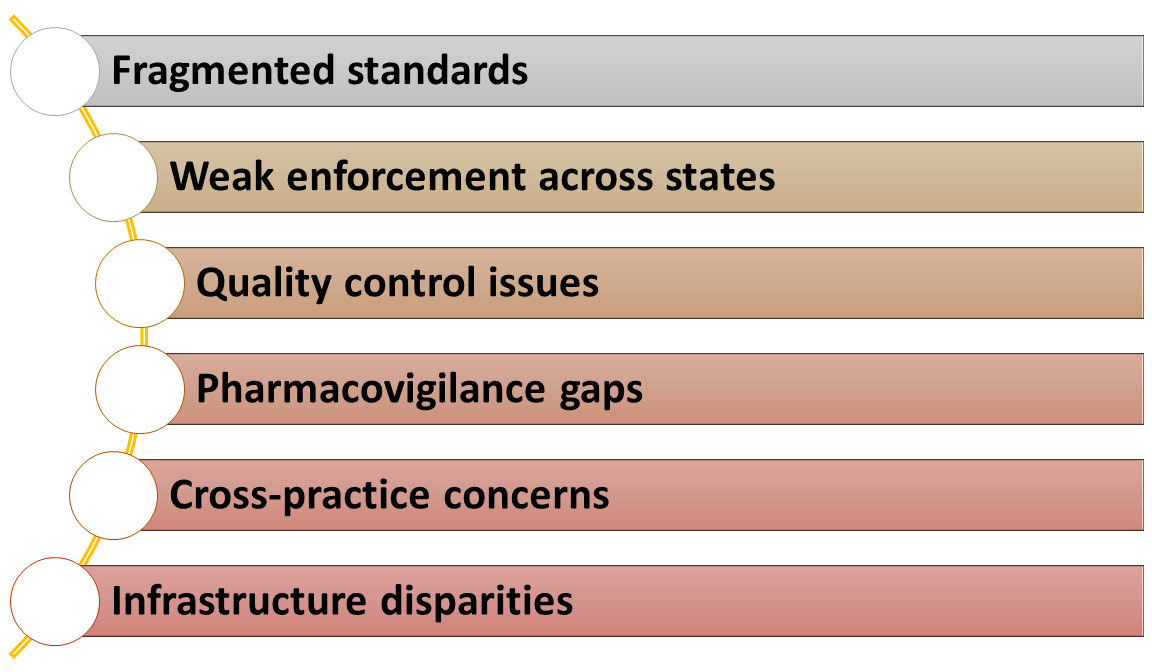
Figure 2: Issues in the Implementation and Regulatory Framework
The expansion of AYUSH systems in India has been accompanied by a range of implementation and regulatory challenges that continue to affect their effectiveness and credibility. One of the most prominent issues is the persistence of fragmented standards across different systems and regions. Although central legislation has attempted to standardise education, licensing, and practice, variations remain in how these norms are interpreted and implemented at the state level. Different AYUSH streams—such as Ayurveda, Unani, Siddha, and Homeopathy—follow distinct philosophies and treatment approaches, which complicates the creation of uniform clinical guidelines and regulatory benchmarks. This fragmentation often leads to inconsistencies in training quality, treatment protocols, and patient outcomes, thereby affecting the overall coherence of the system.
Closely linked to this issue is the problem of weak enforcement across states. While the central framework lays down regulatory principles, the responsibility for implementation largely rests with state authorities. In practice, this has resulted in uneven monitoring, limited inspections, and inconsistent disciplinary action against violations. Some states have relatively well-developed AYUSH infrastructures and regulatory oversight mechanisms, whereas others struggle with resource constraints and administrative inefficiencies. This disparity weakens the overall effectiveness of the regulatory regime and allows gaps in compliance to persist, particularly in rural and underserved regions.
Quality control of AYUSH medicines is another critical concern. Traditional medicine relies heavily on natural substances, including herbs, minerals, and biological materials, which require rigorous standardisation to ensure safety and efficacy.14 However, variations in sourcing, processing, and storage often lead to inconsistencies in product quality. Instances of adulteration, contamination, or incorrect formulation have been reported in various studies, raising concerns about patient safety. Although pharmacopoeial standards and regulatory guidelines exist, their enforcement remains inconsistent, and quality assurance mechanisms are not uniformly robust across the country. Strengthening laboratory infrastructure, certification processes, and supply chain monitoring is therefore essential.
Pharmacovigilance in AYUSH systems remains relatively underdeveloped compared to modern medicine. While pharmacovigilance programmes have been initiated to monitor adverse drug reactions, their reach and effectiveness are limited due to underreporting, lack of awareness among practitioners, and inadequate data collection systems.15 Many practitioners do not systematically document or report adverse outcomes, either due to limited training in pharmacovigilance protocols or the perception that traditional medicines are inherently safe. This gap not only affects patient safety but also limits the development of evidence-based practices within the AYUSH framework.
Cross-practice concerns further complicate the regulatory landscape. In several instances, practitioners trained in one system of medicine engage in the practice of another system, particularly allopathy, without adequate qualification. This phenomenon is often driven by patient demand, economic pressures, or gaps in healthcare accessibility.16 However, it raises serious legal and ethical issues, including the risk of misdiagnosis, inappropriate treatment, and violation of professional standards. Courts in India have repeatedly emphasised that medical practitioners must adhere strictly to the system in which they are trained and licensed. Despite this, enforcement remains inconsistent, and cross-practice continues to pose a challenge to regulatory integrity.
Infrastructure disparities also play a significant role in shaping the effectiveness of AYUSH services. While urban centres may have access to well-equipped hospitals, research institutions, and educational facilities, rural areas often face shortages of trained professionals, inadequate infrastructure, and limited availability of medicines.17 This uneven distribution undermines the goal of equitable healthcare access and restricts the potential of AYUSH systems to serve as a viable alternative in underserved regions. Government initiatives have attempted to address these gaps through co-location of AYUSH services in public health facilities, but challenges related to funding, staffing, and maintenance persist.
Taken together, these challenges highlight the gap between the formal legal framework and its practical implementation. Addressing these issues requires not only stronger regulatory mechanisms but also greater coordination between central and state authorities, improved capacity building, and enhanced awareness among practitioners and patients. Without such measures, the full potential of AYUSH systems in contributing to India’s healthcare landscape may remain unrealised.
CRITICAL ANALYSIS OF AYUSH FRAMEWORK
The contemporary AYUSH framework in India reflects a well-articulated legal and policy design; however, a closer examination reveals a persistent gap between what the law prescribes and what is achieved in practice. Statutory reforms have introduced structured commissions, standard-setting bodies, and mechanisms for registration and accreditation, suggesting a move toward greater institutional coherence. Yet, the translation of these norms into consistent, on-ground outcomes remains uneven. Compliance often depends on local administrative capacity, availability of trained personnel, and the effectiveness of monitoring systems. As a result, while the legal framework projects uniformity, its implementation frequently varies across regions, creating a disconnect that undermines regulatory credibility.
This gap is further reflected in the divergence between policy commitments and ground realities. National policies emphasise integration of AYUSH into mainstream healthcare, particularly through initiatives like co-location of services in public health facilities and inclusion under broader health missions. In principle, this integration is intended to expand patient choice and improve accessibility. In practice, however, integration is often superficial. AYUSH units may lack adequate infrastructure, essential medicines, or trained support staff, reducing their functional capacity within the healthcare system. Policy documents advocate preventive and holistic healthcare approaches, but resource allocation and institutional support do not always align with these objectives, leading to partial or symbolic implementation.18
Issues of standardisation present another critical area of concern. Traditional systems of medicine are inherently diverse, rooted in varied philosophical and therapeutic principles, which makes standardisation a complex task.19 While regulatory bodies have developed pharmacopoeial standards, treatment guidelines, and educational curricula, their uniform application remains challenging. Variability in raw material quality, preparation methods, and clinical practices can lead to inconsistencies in outcomes. Moreover, the absence of universally accepted protocols for certain treatments contributes to ambiguity in practice. Without robust and consistently enforced standards, the regulatory framework struggles to ensure uniform quality and reliability across the AYUSH sector.
The cumulative effect of these shortcomings has a direct impact on patient trust and safety. Trust is a foundational element in any healthcare system, and it is particularly crucial for traditional medicine, where patient perception often influences treatment choices. When regulatory inconsistencies, quality concerns, or instances of cross-practice come to light, they can erode public confidence.20 Patients may face uncertainty regarding the qualifications of practitioners, the authenticity of medicines, or the effectiveness of treatments. At the same time, inadequate pharmacovigilance and limited reporting of adverse effects can compromise patient safety and hinder the development of evidence-based practices.
From a critical standpoint, the AYUSH framework demonstrates a tension between preservation of traditional knowledge and the demands of modern regulatory governance. While the law seeks to formalise and standardise these systems, it must also respect their inherent diversity and cultural context. Achieving this balance requires not only stronger legal provisions but also adaptive regulatory strategies that account for regional variations and practical constraints. Enhancing coordination between institutions, strengthening monitoring mechanisms, and investing in capacity building are essential steps toward bridging the gap between policy intent and practical outcomes. Without addressing these foundational issues, the effectiveness of the AYUSH framework in delivering safe, reliable, and accessible healthcare will remain limited.
COMPARATIVE AND INTERNATIONAL PERSPECTIVE
A comparative and international perspective is essential to situate India’s AYUSH framework within broader global efforts to regulate traditional medicine. The WHO has played a central role in legitimising and guiding the integration of traditional medicine through its Traditional Medicine Strategy (2014–2023), which encourages member states to develop national policies that ensure safety, quality, and effective use of traditional practices. The strategy emphasises three core pillars: building knowledge and evidence base, strengthening regulatory frameworks, and promoting universal health coverage through integration of traditional medicine. This global recognition highlights that traditional systems are not merely cultural practices but form an important component of healthcare delivery in many countries.
Different jurisdictions have adopted varied regulatory approaches depending on their socio-cultural context. For instance, China has fully integrated Traditional Chinese Medicine (TCM) into its national healthcare system, with strong state control over education, licensing, and pharmaceutical production.21 In contrast, countries such as the United States adopt a more fragmented approach, where alternative medicine practices are permitted but regulated through a combination of state licensing laws and consumer protection frameworks rather than a unified national system. Similarly, in the United Kingdom, complementary therapies operate under partial regulation, with certain practices recognised while others remain largely self-regulated through professional bodies.
Table 1: Comparative Overview
| Jurisdiction | Regulatory Approach | Integration Level | Key Feature |
|---|---|---|---|
| China | Centralised and state-controlled | High | Full integration with mainstream healthcare |
| United States | Decentralised, state-based regulation | Moderate | Focus on licensing and consumer protection |
| United Kingdom | Partial regulation | Low to Moderate | Professional self-regulation |
| India | Statutory framework under AYUSH | Moderate | Separate but integrated traditional systems |
This comparison reveals that India occupies a unique position by formally recognising multiple traditional systems under a unified legal framework while attempting integration into public healthcare. However, lessons can be drawn from international practices. India can benefit from China’s strong institutional integration and quality control mechanisms, while also adopting the consumer protection focus seen in Western jurisdictions. Strengthening evidence-based research, enhancing regulatory enforcement, and ensuring uniform standards across regions are critical steps that can improve the effectiveness of the AYUSH framework and align it more closely with global best practices.
FINDINGS AND SUGGESTIONS
The analysis undertaken in this study reveals that while India has developed a comprehensive statutory framework for governing traditional medicine, significant gaps remain in its effective implementation. One of the key findings is that the regulatory architecture, though well-designed in law, suffers from inconsistencies in enforcement across states, leading to uneven standards in education, licensing, and clinical practice. The coexistence of multiple AYUSH systems further complicates standardisation efforts, resulting in variations in treatment protocols and quality of care. Another important finding is the inadequacy of quality control mechanisms, particularly in the production and distribution of AYUSH medicines, which raises concerns about safety and reliability. Additionally, the limited development of pharmacovigilance systems and underreporting of adverse effects restrict the evolution of evidence-based practices. The study also highlights a disconnect between policy intent and ground-level realities, where integration of AYUSH into public health services often remains partial and under-resourced.22
In light of these findings, several recommendations emerge for strengthening the AYUSH regulatory framework. First, there is a need for more robust and uniform regulatory enforcement through enhanced coordination between central and state authorities, along with periodic audits and accountability mechanisms. Strengthening monitoring systems is equally crucial, particularly by developing comprehensive pharmacovigilance networks, digital reporting platforms, and real-time data collection to ensure patient safety and transparency.23 Further, improving the standardisation of education and clinical practices through continuous training and updated guidelines can enhance professional competence. Integration with mainstream healthcare should be deepened beyond co-location by ensuring functional collaboration between AYUSH and allopathic practitioners, supported by adequate infrastructure, staffing, and resource allocation. Public awareness initiatives are also essential to build trust and promote informed healthcare choices. Collectively, these measures can help bridge the gap between legal provisions and practical outcomes, thereby enhancing the credibility, safety, and accessibility of traditional medicine in India.
CONCLUSION
In conclusion, this study has examined the regulatory framework governing traditional medicine in India, with a particular focus on the AYUSH systems, and has highlighted both its strengths and persistent challenges. The analysis demonstrates that while India possesses a well-structured legal and institutional framework—anchored in statutes such as the National Commission for Homoeopathy Act, 2020 and the National Commission for Indian System of Medicine Act, 2020—the effectiveness of these provisions is often constrained by gaps in implementation, uneven enforcement, and issues related to standardisation and quality control. The coexistence of multiple traditional systems within a single regulatory umbrella further complicates governance, requiring a careful balance between uniformity and respect for diversity.
Effective regulation is essential not only for ensuring patient safety and maintaining professional standards but also for strengthening public trust in traditional medicine. Without consistent monitoring, reliable pharmacovigilance, and clear ethical guidelines, the credibility of AYUSH systems may be undermined despite their growing relevance in public healthcare.24 Therefore, a more integrated and coordinated regulatory approach is necessary to bridge the gap between legal intent and practical outcomes.
Looking ahead, future research should focus on empirical assessments of regulatory effectiveness, including field-based studies on patient experiences, practitioner compliance, and institutional performance across different regions. Greater interdisciplinary inquiry combining legal, medical, and policy perspectives would also contribute to a more nuanced understanding of traditional medicine governance.25 Such efforts are vital to ensuring that AYUSH systems continue to evolve as a safe, accessible, and credible component of India’s healthcare system.
*****
Footnotes
1. World Health Organization, Traditional Medicine: Questions and Answers, WORLD HEALTH ORGANIZATION (Nov. 28, 2025), https://www.who.int/news-room/questions-and-answers/item/traditional-medicine
2. Press Release, Press Information Bureau, Ministry of Ayush: A Transformative Year of Evidence-Based Growth, Global Leadership and People-Centric Healthcare (Dec. 26, 2025), https://www.pib.gov.in/PressReleasePage.aspx?PRID=2208661
3. Yuk Ming Alice Wong et al., Policy Implications of WHO’s Global Traditional Medicine Strategy 2025–2034, 103 BULL. WORLD HEALTH ORG. 715, 715–21 (2025).
4. Annapurna Dutta, Evolution of Traditional Medical Systems Sector in India: What Has Innovation Got to Do with It?, in INNOVATION IN INDIA: COMBINING ECONOMIC GROWTH WITH INCLUSIVE DEVELOPMENT 280, 280–309 (S. V. Ramani ed., 2014).
5. R. Srinivasan & V. Raji Sugumar, Spread of Traditional Medicines in India: Results of National Sample Survey Organization’s Perception Survey on Use of AYUSH, 22 J. EVID.-BASED COMPLEMENTARY & ALTERNATIVE MED. 194, 194–204 (2017).
6. K. Selvaraj et al., Role of Traditional Healers in Health and Healthcare Access: A Multi-Stakeholder Perspective from a Tribal Block of Central India, 5 DISCOV. HEALTH SYS. 18 (2026).
7. A. Saini, Physicians of Colonial India (1757–1900), 5 J. FAM. MED. & PRIMARY CARE 528, 528–32 (2016).
8. S. Chaturvedi et al., India and Its Pluralistic Health System—A New Philosophy for Universal Health Coverage, 10 LANCET REGIONAL HEALTH SOUTHEAST ASIA 100136 (2023).
9. T. Nesari et al., India’s Journey in Mainstreaming AYUSH in Primary Health Care—From Tradition to Integration, 12 FRONTIERS IN MED. 1629515 (2025).
10. J. Samal & R. K. Dehury, An Evaluation on Medical Education, Research and Development of AYUSH Systems of Medicine through Five Year Plans of India, 10 J. CLINICAL DIAGNOSTIC RES. IE01, IE01–IE05 (2016).
11. MINISTRY OF LAW & JUSTICE, GOV’T OF IND., THE NATIONAL COMMISSION FOR HOMOEOPATHY ACT, 2020 (2020), https://cdnbbsr.s3waas.gov.in/s3653ac11ca60b3e021a8c609c7198acfc/uploads/2023/07/2023072170.pdf
12. National Commission for Indian System of Medicine Act, No. 14 of 2020 (Ind.), https://www.indiacode.nic.in/handle/123456789/15622
13. GenZCFO, AYUSH License Registration in India: Process and Documentation (Sept. 15, 2025), https://genzcfo.com/growthx/ayush-license-registration-in-india-process-and-documentation
14. M. M. Sikder, Ayurvedic Medicine: A Traditional Medical System and Its Heavy Metal Poisoning, 60 CHONNAM MED. J. 97, 97–104 (2024).
15. U. Thatte & S. Bhalerao, Pharmacovigilance of Ayurvedic Medicines in India, 40 INDIAN J. PHARMACOLOGY S10, S10–S12 (2008).
16. R. Jeffery, Current Challenges for Doctors in India: Deprofessionalisation, Reprofessionalisation or Fragmentation?, 46 SOC. HEALTH & ILLNESS 795, 795–814 (2024).
17. M. Arora, Reduced Burden on Urban Hospitals by Strengthening Rural Health Facilities: Perspective from India, 13 J. FAM. MED. & PRIMARY CARE 1178, 1178–82 (2024).
18. V. Saxena et al., Strengthening AYUSH Integration with Preventive Medicine, 49 INDIAN J. COMMUNITY MED. S183, S183–S190 (2024).
19. R. L. Wears, Standardisation and Its Discontents, 17 COGN. TECHNOL. WORK 89, 89–94 (2015).
20. P. D. Hibbert et al., Improving Patient Safety Governance and Systems Through Learning from Successes and Failures: Qualitative Surveys and Interviews with International Experts, 35 INT’L J. QUALITY HEALTH CARE mzad088 (2023).
21. J. Xu, Traditional Chinese Medicine (TCM)—Does It Have Merit?, 2 INTEGRATIVE MED. RES. 100–103 (2019).
22. P. Singh et al., Development of Pharmacovigilance System in India and Paradigm of Pharmacovigilance Research: An Overview, 18 CURRENT DRUG SAFETY 448, 448–464 (2023).
23. A. Aslam et al., Strengthening Pharmacovigilance Through Patient Reporting: A Scoping Review of Awareness, Barriers, and Facilitators, 19 J. PHARM. POL’Y & PRAC. 2651405 (2026).
24. A. Seelamantula et al., Unravelling AYUSH Providers’ Perspectives on Healthcare Choices of People Residing in Urban Areas of Puducherry, India—A Concurrent Mixed Method Study, 16 J. AYURVEDA INTEGRATIVE MED. 101180 (2025).
25. C. Kudlu, From Desired Futures to Market Realities: Examining Policy Imaginaries and Strategies in the Globalization of Ayurveda, FRONTIERS IN HUMAN DYNAMICS 1549341 (2025).