
INTRODUCTION
The Naga people have long maintained a great connection with the natural environment, a relationship that is clearly mirrored in their textiles and ornaments. Materials found in the environment, such as bamboo, cane, animal teeth, feathers, beads, and natural dyes, are carefully incorporated into their craft, revealing both practical knowledge and a deep respect for the resources around them. Among the Rengma tribe, textiles and ornaments are far more than mere decorations; they carry rich cultural significance, representing personal achievements, social roles, and a bond with nature. Each piece, crafted with skilled hand-weaving techniques, vibrant symbolic colours, and carefully chosen motifs, tells a story of identity, status, and tradition. The article specifically explores how these textiles and ornaments are not only expressions of aesthetic beauty but also serve as powerful markers of cultural memory, social recognition, and the values that have shaped the Rengma community across generations.
TEXTILE
The Rengma textile showcases diverse patterns, not simply for decoration. People wore different kinds of shawls depending on their roles, achievements, and life stages. Certain shawls were reserved for those who performed the feast of merit called Kethi or Guga, while some were for warriors, some for common folks and young people. People believed that a person’s “clothes and house” mirrored their status, making textiles an important part of how identity was seen and understood. A notable garment that is known for being a royal cloth and having the highest honour amongst the Rengma shawls is Anonthsü (Plate I) or Jonyuphe, this garment comes in two types: one with four white stripes and the other with three white stripes (Plate II), the one with four stripes was specifically for a man who performed ceremonies (Kethi) and the one with three stripes was for his wife. Another notable garment that is earned and worn is Phikezü (Plate III). This cloth is woven for warriors who have won a battle and brought the enemy’s head. The band in this is said to be identical to Rukhusü of the Lotha tribe, and the motifs are like Tsüngkotepsü (Plate IV) of the Ao tribe.
ORNAMENTS
Among the Rengma, ornaments traditionally reflected status, valour, and social achievement, though they were never considered as central to identity as among some neighbouring tribes. While everyday adornment was simple, full ceremonial dress could be elaborate and highly symbolic. The suppression of headhunting under British rule significantly altered the system of earning warrior insignia; among the Western Rengmas, wealth gradually replaced martial achievement as a means of acquiring the right to wear certain ornaments, a shift often criticised by elders. In contrast, the Eastern Rengmas largely maintained stricter traditional rules, reserving prestigious items such as hornbill feathers, tiger teeth necklaces, special baldricks, aprons, and elaborate ear ornaments exclusively for men who had taken a head or participated in warfare. Warrior ornaments included bear’s hair wigs, hornbill feathers, boar’s tusks (Plate V), tiger canine necklaces, cowrie aprons, brass discs, and distinctive hair tails, each marking specific acts of bravery or ritual accomplishment such as the performance of Feasts of Merit. Women’s ornaments were comparatively modest but culturally significant, especially bead necklaces and rare ancient waist beads (Plate VI) passed from mother to daughter, which symbolised wealth, lineage, and marital value.
DISCUSSION
Anthropologist J.P Mills’ 1937 fieldwork called “The Rengma Nagas” carried out right among the Rengma people themselves. During this multi-year expedition, Mills documented textiles with the elders who were survivors of headhunting eras, divided by generational gaps in a remote village in Nagaland. Mills’ interaction with the weavers, who were wrapped in stories and bore ritual thorns, represented themes of memory, cultural trauma, and reconciliation with the indigenous Naga spirit. “The Art and Crafts of Nagaland” by M. Alemchiba, the first Naga Anthropologist and former director of the Naga Institute of Culture, spent decades quietly recording the traditions of his people. In the book, through his documentation work, he brought together weavers and local knowledge-keepers. He also mentioned that for the Rengma weavers, the threads don’t just come from the loom; they come from the land, the seasons, the family stories, and the cotton itself, which is soaked into the cloth and gives it life. The same is true for the ornaments. Shells stitched in careful rows on black shawls for women, ivory armlets, boar tusks, and feathers were never just decorations.
CONCLUSION
The textiles and ornaments of the Rengma tribe do more than serve as clothing or decorative items. They connect the past and the present, holding the stories, beliefs, and values of generations. Each pattern, motif, and ornament tells a story about the people who made it and their world. The use of locally sourced natural materials like bamboo, cane, feathers, beads, and natural dyes explains practical knowledge and skill. It also shows a deep respect for the environment, highlighting a harmonious relationship between humans and nature that has developed over centuries. Additionally, the way specific shawls and ornaments are worn reveals much about the social structure, recognition, and traditions of the Rengma community. Some garments are reserved for people who have reached certain milestones, like performing important ceremonies or achieving status. While the meaning of these items has changed over time from ceremonial and martial purposes to symbols of cultural pride and heritage, they remain important for connecting individuals to their roots. Even today, these textiles and ornaments reflect the tribe’s rich cultural memory, giving insights into the values, aesthetics, and lifestyles that have shaped the Rengma people through generations.
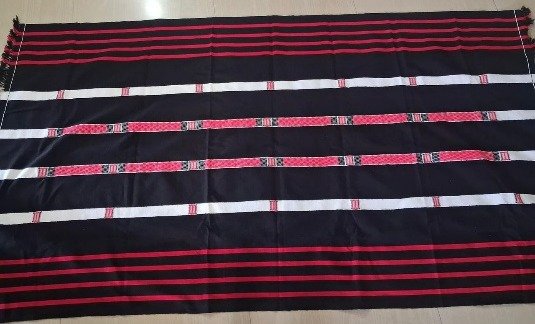
Anonthsü
Plate I – Source: Author
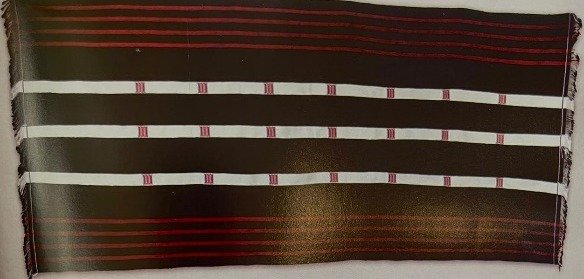
Anonthsü
Plate II – Source: Rengma Traditional Dresses and Attires magazine
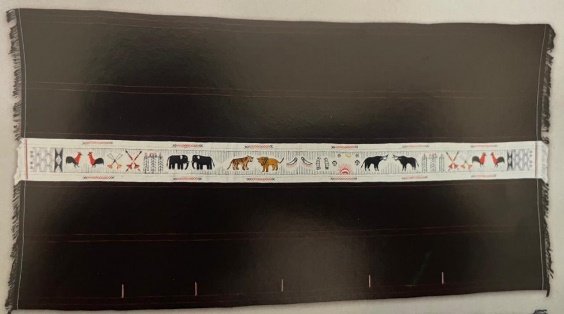
Phikezü
Plate III – Source: Rengma Traditional Dresses and Attires magazine
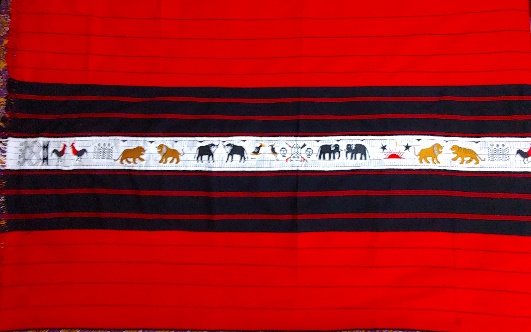
Tsüngkotepsü
Plate IV – Source: https://en.wikipedia.org/wiki/Naga_shawl
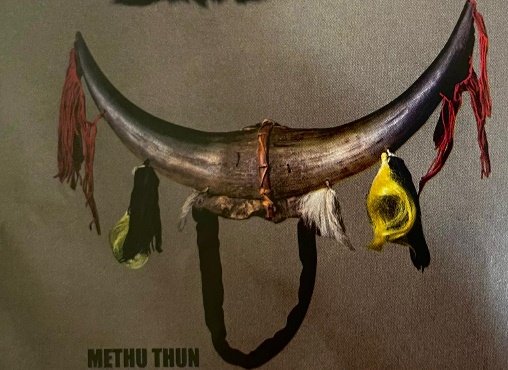
Methu Thun
Plate V – Source: Rengma Traditional Dresses and Attires Magazine
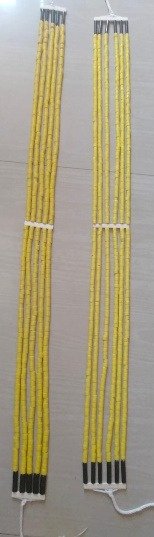
Kon
Plate VI – Source: Author