
INTRODUCTION
The inherent human tendency to safeguard and multiply wealth has resulted in practices like investment – the intensity of which has increased in recent times. Prior to any investment related decisions, an average investor typically tries to gather information from various data sources like newspapers, peer conversation, traditional financial advisors, etc. However with the rise in technology and inventions, investors have now diverted to sources like AI- based applications, social media, etc for investment related data. This has severely impacted investor knowledge, awareness and overall investment behaviour.
In a modern context, this rise has also led to investor ambiguity. Different platforms provide different and conflicting information which can confuse investors, especially if they are beginners. Social media platforms provide real-time updates and opinions. AI has offered features such as personalization and precise predictive analysis etc. Additionally, herd mentality still has an influence on investor psychology which ultimately impacts their decisions. These disparities raise concerns regarding trust, biases and quality of data.
Apart from reliance on information, demographics play an important role in investment decisions. Factors like age, income, financial goals, investment experience strongly influences the investment decision-making behaviour. It is observed that the youth is more technological dependent and hence relies more on digital sources, while older investors have slight inclination towards traditional sources. Despite the rise in digital investment information, limited research has been conducted to study its usage, reliability and impact across different age groups.
The present study aims to tackle this by analysing the use and reliance of varied information sources namely Social Influence, Media, AI and traditional financial advisors. The study is based on primary data collected from individuals belonging to various groups, residing in Maharashtra and Karnataka. By interpreting this data, the study aims at providing a clear image on how investors react to the information presented and how they effectively use such data.
A. Literature Review
Several researchers have examined investment behavior across different generations. These reviews aid in understanding the underlying attitudes, preferences, and decision-making patterns of individuals:
1. Tolani K. et al., (2020) studied the significant differences between Gen X and Gen Y with regards to their spending habits, investment behavior and financial goals. With the help of Sample t Test and ANOVA, data was collected and analysed. The outcome marked the clear difference between two generations and their financial beliefs. The analysis indicated that Gen X is highly cautious when making financial decisions and prefers consulting financial advisors whereas Gen Y is more tech savvy and actively implement technology in their financial planning.
2. Adwani V. et al., (2021) determined how social media and social communities affect GenZs investment decisions through a research on the GenZ individuals of Bhopal, India.The researchers proposed and proved that factors like social media, financial literacy, community behaviour have a strong and positive impact on GenZ investment decisions. They further elaborated the reason behind such behaviour is that GenZ individuals have easy access to online information- updated on a real time basis which can heavily direct them in making decisions.
3. Sajeev K. et al., (2021) analysed the relationship between behavioural finance and investment decisions amongst Gen Z. Using structural equation modeling, it was observed that behavioral biases play a major role in decision making of investors especially among the Gen Z investors. Hence, it was found that Gen Z investors exhibit a high degree of financial literacy, and risk taking attitude along with a weak negative relationship with herding behaviour.
4. Patil Y. & Gokhale R. (2022) studied the investment patterns amongst GenZ and Millennials and how information source has an effect on their investment decision. The study revealed that financial brokers and agents were trusted for financial information as 44.4% of the respondents chose to rely on them. However, it could also be seen that there was an increasing trend in usage of social media along with peers and other online sources for financial information and investment decisions amongst GenZ and Younger Millennials. The older millennials still rely a bit more on traditional information sources and investment practices to make any investment related decisions The influence of motive for investment in decision making remains the same for both generations.
5. Arifian D. et al., (2024) stated in their research how AI impacts investment decisions and what are the effects of using AI for investment. They mentioned the various benefits of AI for investment wiz- better accuracy in speculation, risk management, faster decision, thorough market research,etc. These benefits make it an effective and efficient tool for investors to rely on and make decisions, making it useful in the coming periods. However use of AI for investment comes with its own challenges of ethical consideration, data bias etc which needs to be studied for better application of AI in the subject of investment.
6. Kurniadi A. & Herdinata C. (2024) reviewed how Investment Experience, Financial Literacy and Risk Tolerance impact the investment decisions of GenZ and Millennials. Their research indicated that all the above factors have a positive impact on the dependent variable i.e. investment decisions meaning better the experience and financial knowledge better the decisions made by the respective individual. They also stated that the variables do have a relationship amongst them as well.
7. Nike M. & Yohannes K. (2024) conducted a study on how factors like Social Influencers, Financial Influencers, FOMO Economy/ FOMO attitude affect the investment decisions of GenZ and Millenials.The influence of financial literacy and behaviour in relation to these factors were studied as well. On the basis of these factors the researchers could articulate 9 hypotheses which can be concluded as- Financial Influencers and FOMO economy do have a significant impact on investment decision while Social Influence does not impact the same. In spite of this,other papers do argue about the impact of social influence on investment decision making. However when financial literacy and behaviour is considered, the respondents had a tendency to still depend on financial influence while the same could not be proved for social influence and FOMO.
8. Smrithi S. & Dr. Selvi S. (2024) explored the distinctions in financial decision making among different generations particularly when they are under the influence of social media. Using a quantitative approach it was revealed that the individuals perception on how they get influenced by social media vary significantly. This study highlights the multifaceted nature of social media and concludes that while age may impact the social media usage behaviours, generalizing an individual’s financial solely on the age is inappropriate as such decisions are based largely on personal consumption patterns and individual mindset.
9. Chetan & Pandey A. (2025) researched the transition from traditional financial advisors and finfluencers and the significant differences between them. The study concluded that while finfulencers can promote financial literacy and make financial content more accessible, especially for the youth, the traditional advisors with their formal qualifications remain a more reliable source. After comparing both approaches across various parameters it was observed that the future of financial advice can adopt a hybrid model that can be used combining human expertise and digitalization.
10. Jagtap S. (2025) studied how AI is used for investment and how it impacts the quality of investment. The research highlighted that there is an increase in the use of AI for making decisions and obtaining information related to investment and it also has a positive impact on the decisions taken i.e. using AI for investment decisions can lead to profit for the investors.
11. Syukur A. et al., (2025) investigated how herding behaviour impacts investment decision making among Generations X, Y and Z. Using a multi-group structural equation modeling (SEM) approach data was collected. The results revealed that herding behavior has a positive impact on decision making across all generations. It was also observed that investment experience emerges as a significant moderating factor for Gen X, lowering the intensity of herding behaviour. In contrast, Gen Y and Z are influenced primarily by psychological and social factors which are intensified further by digital platforms rather than investment experience.
Objectives
1. To study the usage patterns of social media, AI tools, peers, and traditional financial advisors among different age groups.
2. To analyse changes in investment behaviour across age groups.
RESEARCH METHODOLOGY
This study explores the significant impact that different financial information sources have on investors. This paper is descriptive in nature and focuses on analysing the given research problem. Both primary and secondary data were used for the purpose of analysis. Primary Data was collected through a structured questionnaire comprising 13 questions. The sample size for the study was 50 however 61 responses were observed. The sampling techniques used consisted of both convenience sampling and snowball sampling. A well structured questionnaire was designed and it consisted of respondents of age groups – 18 to 25, 26 to 35, 36 to 50, 50 & above, majorly from the states of Maharashtra and Karnataka. Data was collected with the help of techniques like 5 point Likert Scale and Multiple Choice Questions. The collected data was analysed using simple percentage analysis, Likert scale interpretation and visual interpretations like charts. The study is limited to a specific age group and geographical area, and the findings may not be generalised.
ANALYSIS AND INTERPRETATION
| Sr. No. | Particulars | Percentage of Respondents | |
|---|---|---|---|
| Age Group | 18 – 25 | 50.8% | |
| 26 – 35 | 23% | ||
| 36 – 50 | 4.9% | ||
| 50 & Above | 21.3% | ||
| Gender | Male | 45.9% | |
| Female | 54.1% | ||
| Educational Qualification | Undergraduate | 49.2% | |
| Postgraduate | 14.8% | ||
| Professional Qualification | 18% | ||
| Graduate | 18% | ||
| Profession | Student | 47.5% | |
| Service | 31.1% | ||
| Business | 3.3% | ||
| Self – Employed | 18% | ||
| Unemployed | 0% | ||
| Monthly Income | 0 – 50,000 | 52.5% | |
| 50,001 – 1,00,000 | 18% | ||
| 1,00,001 – 2,00,000 | 8.2% | ||
| 2,00,001 – 3,00,000 | 4.9% | ||
| 3,00,001 – 4, 00, 000 | 3.3% | ||
| 4,00,001 & Above | 13.1% | ||
Preferred Investment Instrument:
To understand investment preferences, respondents were also asked to indicate their preferred investment instruments. Analysis of this data revealed the following observations: Mutual Funds (67.2%) were the most preferred instrument, followed by Fixed Deposits (50.8%) and Equity Shares (50.8%) which showed equal levels of investment. Further, Gold (45.9%) and Real Estate (23%) also emerged as considerably preferred investment instruments. Insurance linked investments (8.2%), Bonds / Debentures (6.6%) and Cryptocurrency / Digital Assets (6.6%) reflected relatively lower preferences. Other instruments, like smallcases and unlisted equity, constituted 1.6% of the total responses.
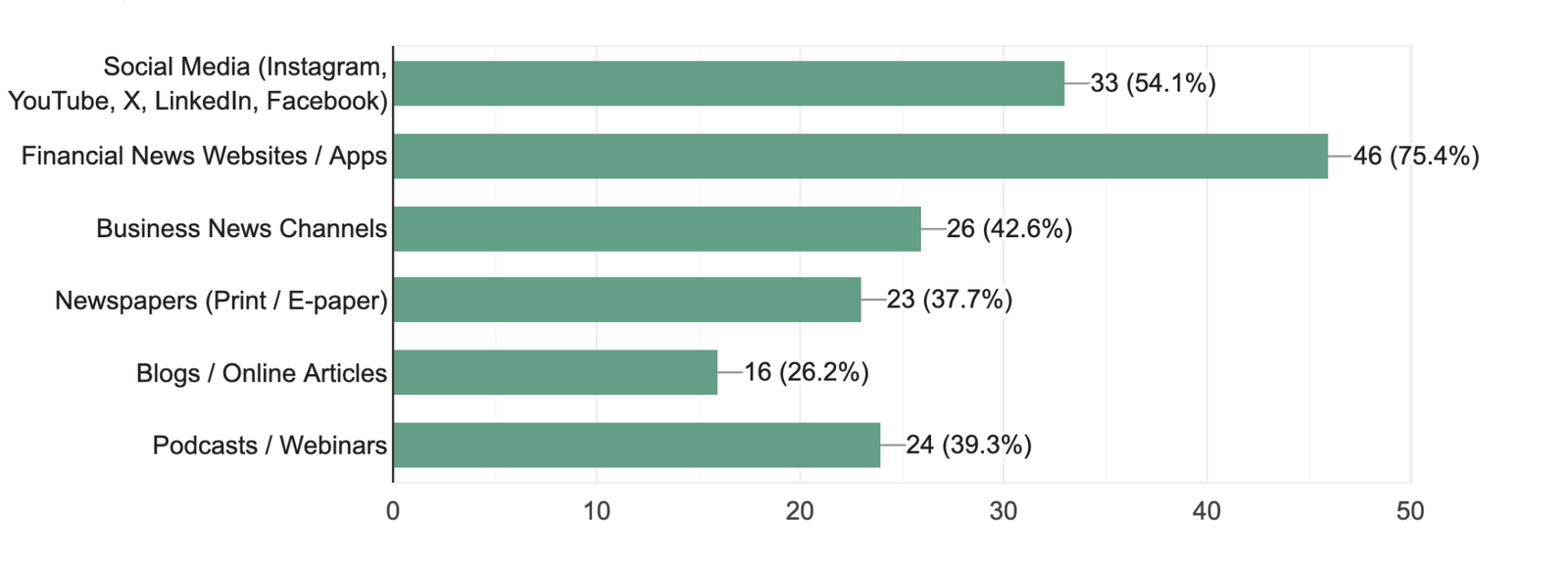
Figure 1: The media platforms used for financial or investment-related information.
The above bar chart shows the respondent’s preferences for different media platforms used to access financial information. It can be observed that Financial News Websites/Apps are the most preferred source, with around 75.4% of respondents relying on them. This is followed by Social Media platforms which are used by 54.1% of respondents. Business News Channels and Newspapers are preferred by 42.6% and 37.7% respectively, indicating a moderate reliance on traditional broadcast media. Growing media platforms – Podcasts and webinars are used by 39.3% of respondents. Lastly, blogs and online articles are the least preferred source, with only 26.2% of respondents using them.
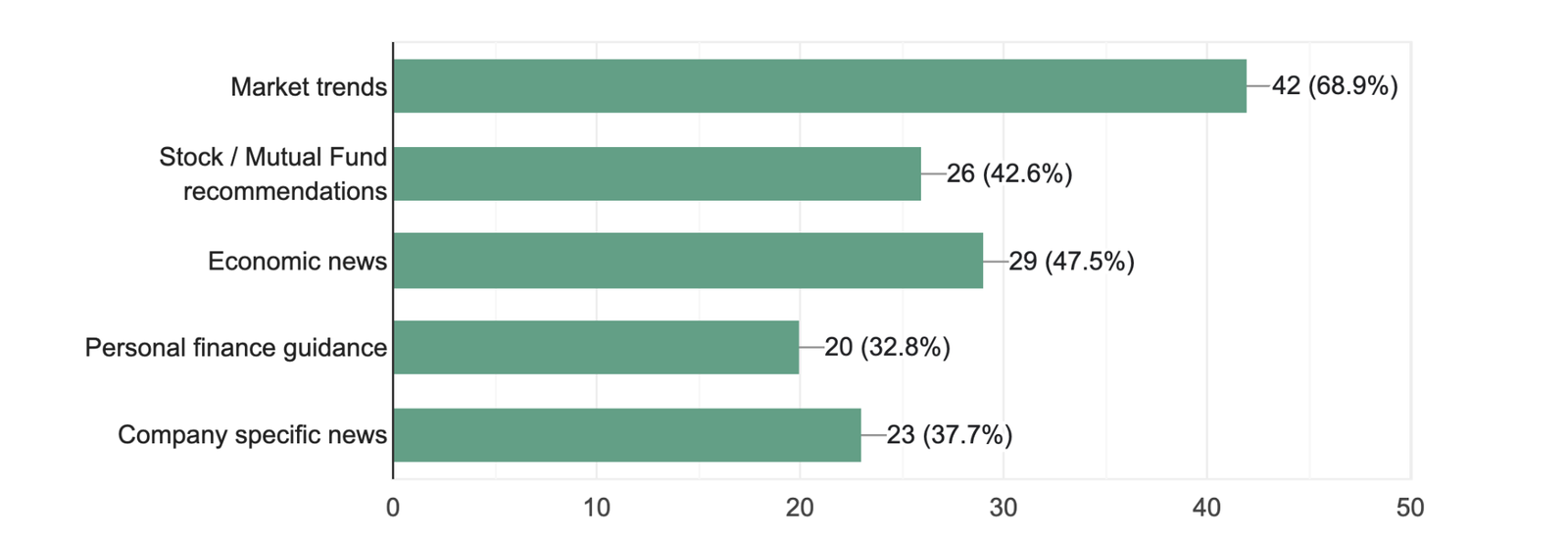 Figure 2: Usage of media sources for collecting information.
The above bar chart portrays the various ways in which investors prefer to use media for collecting information. It can be analysed that market trends (68.9%) are studied the most with the help of media platforms. Apart from this, media platforms are utilised for economic news (47.5%) closely followed by mutual funds and stock recommendations (42.6%) and for understanding company information (37.7%). Lastly, it was observed that, contrary to general beliefs, investors relied the least on media for personal finance guidance (32.8%).
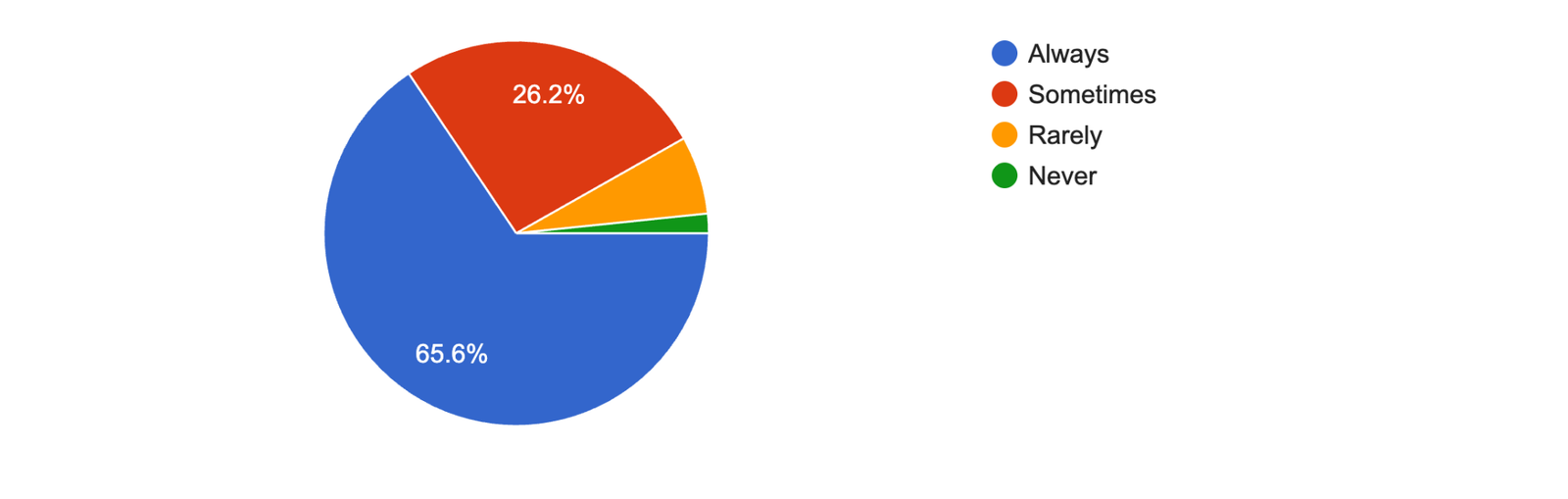
Figure 3: Frequency of Verification of Investment-Related Media Information.
The given pie chart provides insight into how often respondents verify financial information gathered through media. The majority of respondents (65.6%) always tend to verify the data collected before taking action upon it. This indicates that investors are mindful and avoid blind reliance on the data available. About 26.2% of the total respondents verify information sometimes, suggesting occasional verification based on need. The rest of the respondents rarely or never verify the information.
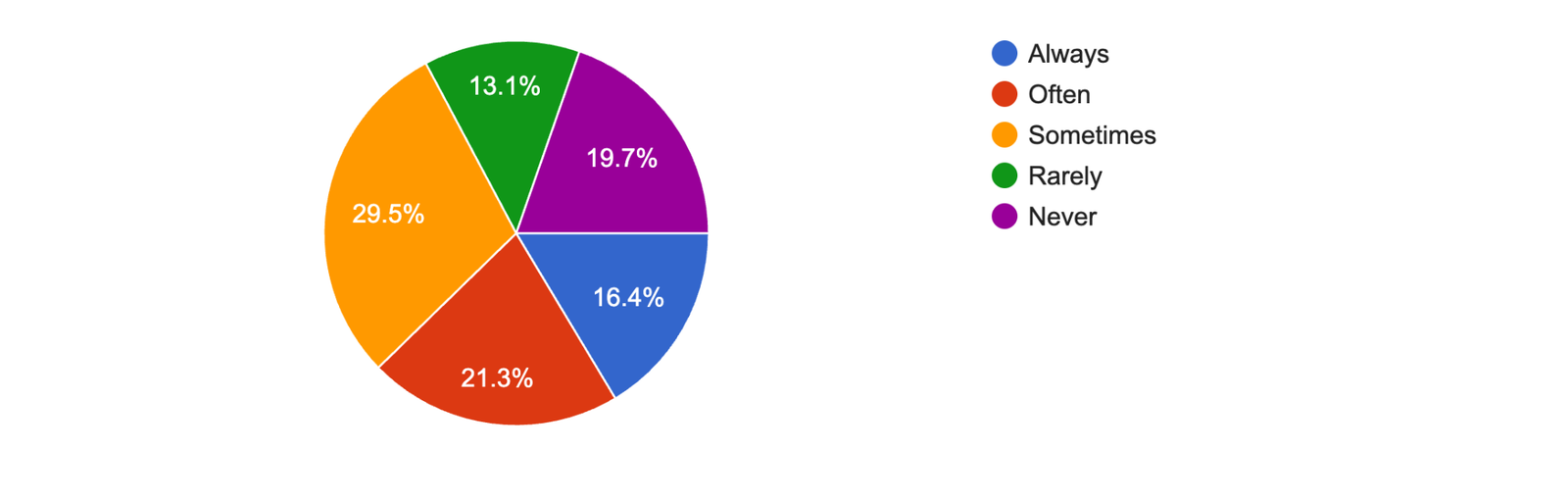
Figure 4: Frequency of consultation with professional Financial Advisors prior to decision making.
Here, it can be inferred that most investors consult a financial advisor either sometimes (29.5%) or often (21.3%) showcasing occasional reliance on traditional advisors. Remaining respondents either always (16.4%) consult a financial advisor or never (19.7%) indicating varied levels of dependence on financial advisors. About 13.1% rarely consult traditional advisors. Overall, the findings suggest mixed usage patterns, with a greater inclination towards occasional use rather than constant dependence on the source.
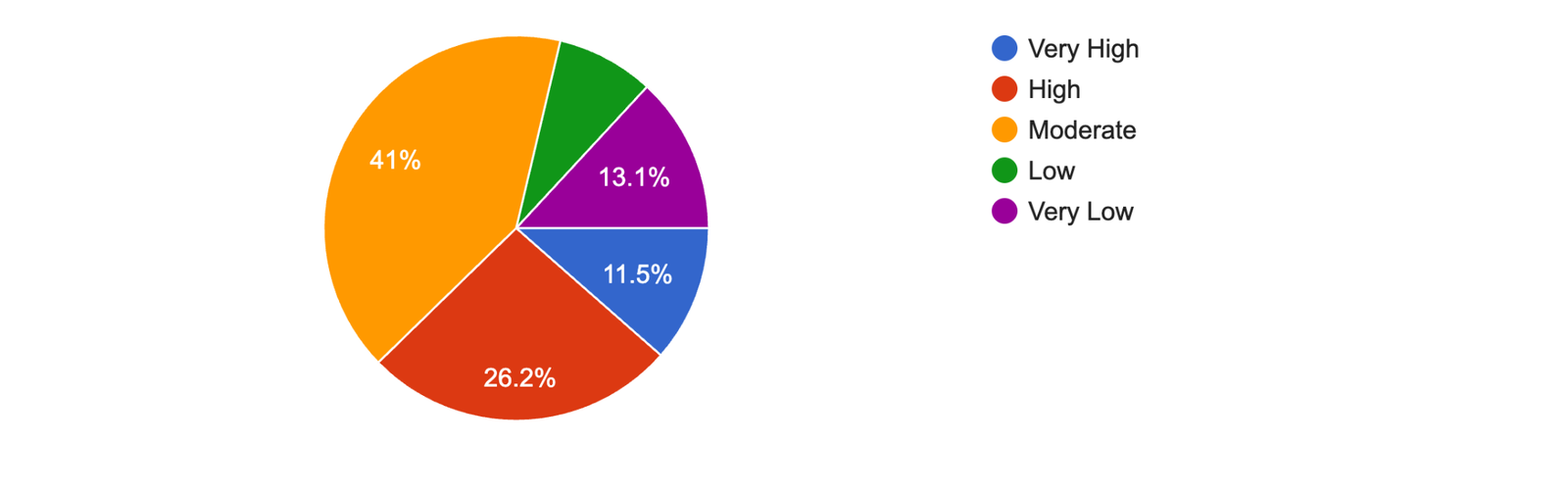
Figure 5: Impact of social groups on investment decisions.
The chart shows that social groups have a moderate influence on investment decisions for most respondents (41%). This suggests that while investors do consider opinions from friends, family, or peer groups, these views are not always considered. About 26.2% of respondents report a high impact, and 11.5% indicate a very high impact, highlighting that a significant section of investors are strongly influenced by social circles. On the other hand, 13.1% experience a very low impact and a smaller proportion report low impact, indicating that some investors prefer making independent decisions with minimal social influence. Overall, the findings reflect a balanced outcome where social groups play a role, but do not completely take over investment decision-making.
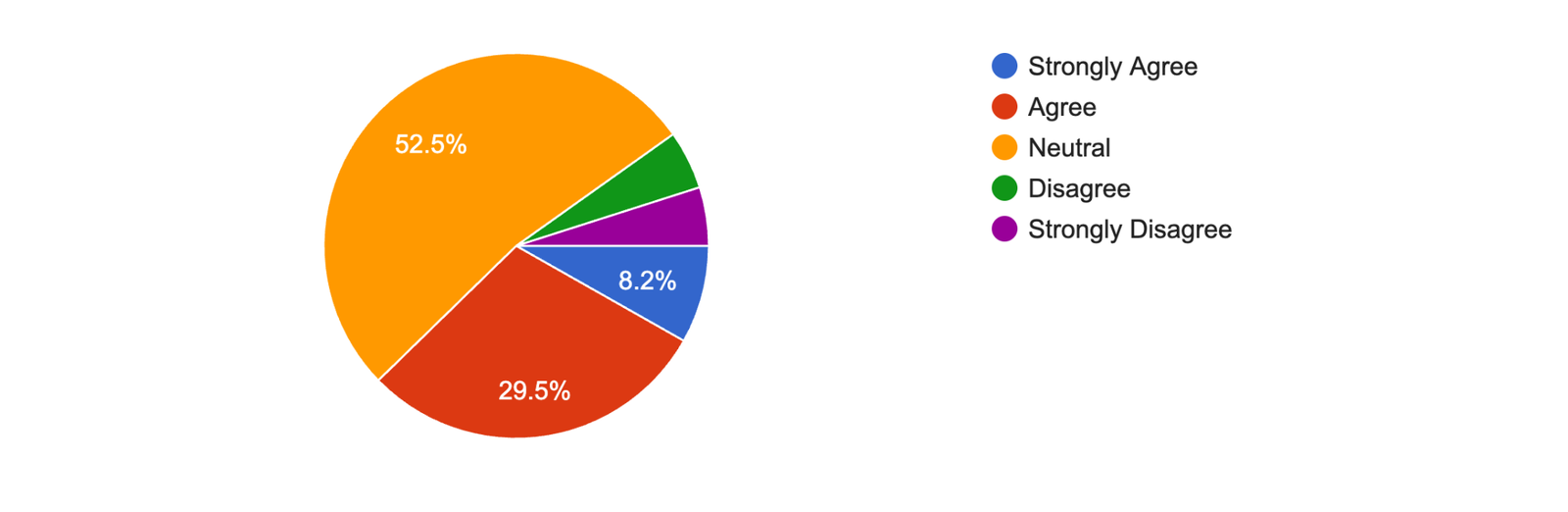
Figure 6: Tendency of herd mentality amongst respondents.
The above chart showcases the mindset of respondents with respect to social influence, specifically herd mentality. As seen in Figure 5, the impact of social groups appear to be moderate. Similarly, in the case of herd mentality, 52.5% respondents have a neutral perspective with regards to herd mentality. So, it can be interpreted that peers and family affect the investment decisions in a balanced way. This is followed by respondents who agree (29.5%), indicating a high tendency to follow the actions of their social group, and those who strongly agree (8.2%) with the statement. The remaining respondents either disagree or strongly disagree with the statement.
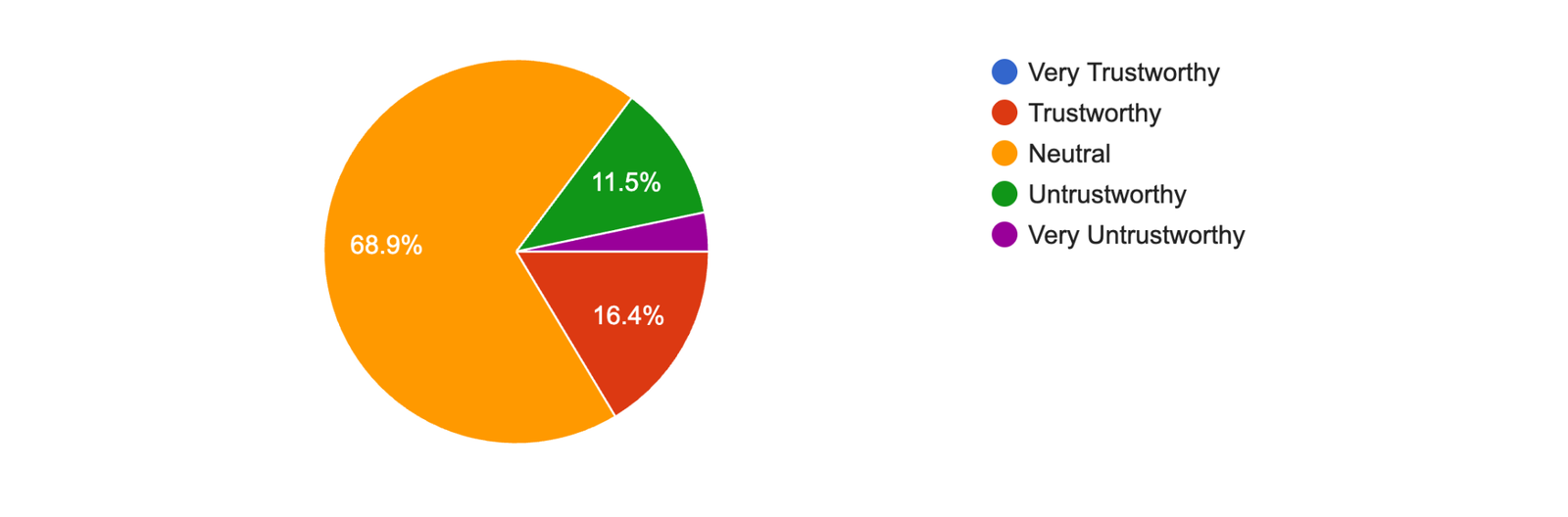
Figure 7: Degree of reliability on AI based tools for investment information.
Here, the degree of trust respondents have in AI based tools like chatbots and finance applications, etc was analysed. It was found that the majority of the respondents had neutral perceptions (68.9%) towards AI. Additionally, 16.4% of the total respondents find AI based tools reliable while some respondents portrayed distrust (11.5%). Notably, none of the respondents found AI very trustworthy contrary to which few found the technology very untrustworthy. These findings suggest that while AI based tools are gaining recognition, the reliability and adoption of such tools into investment decision-making needs to be studied.
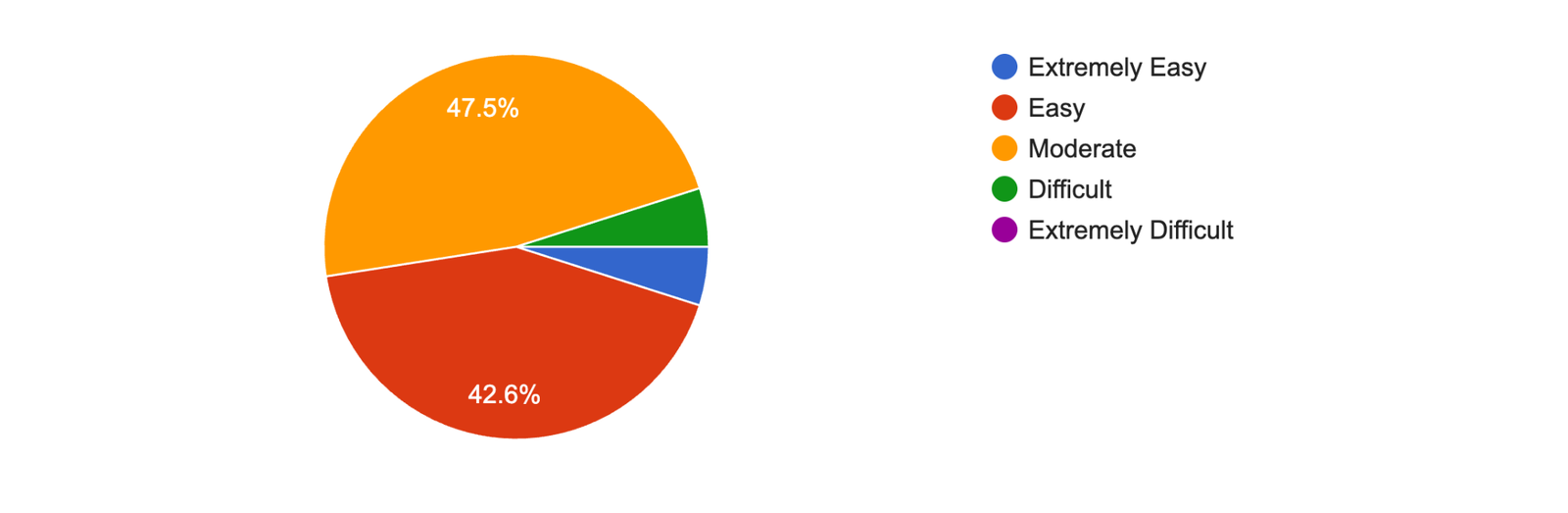
Figure 8: Impact of AI based tools on investment practices and information analysis.
Figure 8 gives the description of how AI has changed the analytical process involved in investment decision making amongst investors. 47.5% of the total respondents felt that AI has a moderate impact on how they process the information collected. However a substantial portion of the respondents (42.6%) observed that AI has indeed made processing data easier. Only a handful of respondents experienced difficulty in using AI tools, while a very limited portion felt at ease with such technology. Remarkably none of the respondents found using AI for analytics extremely difficult. From the above analysis, it can be inferred that AI does play a role in investment information processing-making the process relatively easier when compared to earlier practices.
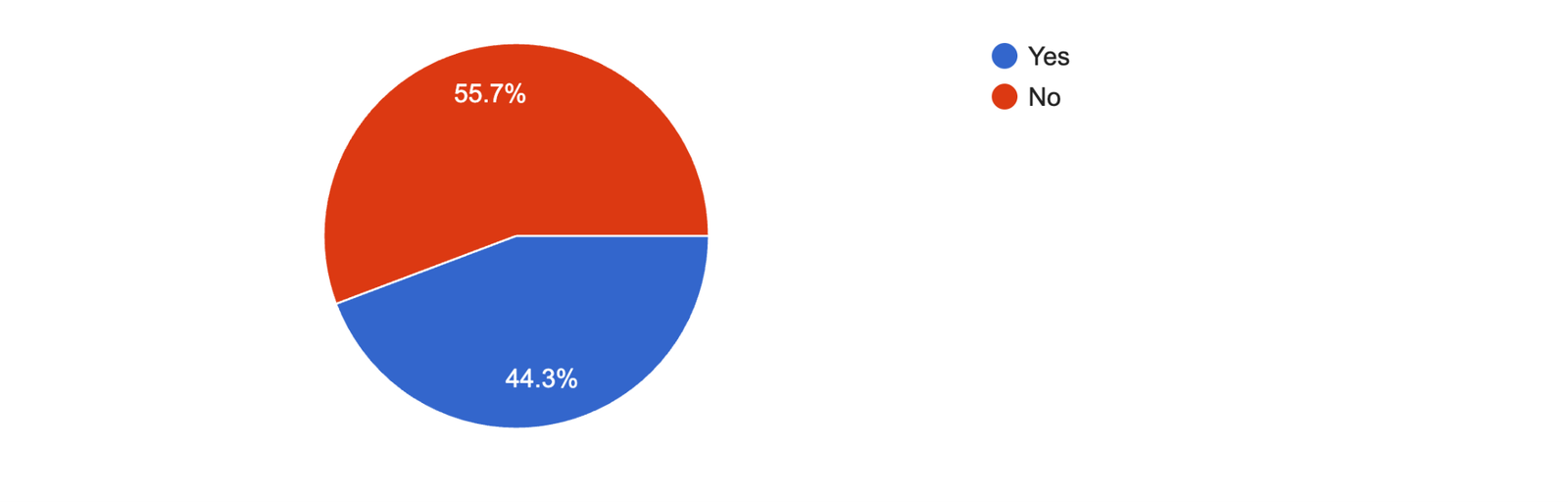
Figure 9: Perception of AI Tools as a Substitute for Traditional Financial Advisors.
The above chart reflects on investor perception regarding substitution of AI tools for traditional tools. There is no significant disparity as 55.7% of respondents have the opinion that AI lacks the potential to replace traditional human advisors. However, it can also be observed that a significant portion (44.3%) does consider the impact of AI on investments and its potential on how information handling can evolve. It can be observed that, there is a balanced lookout in accepting AI as a substitute for data analytics.
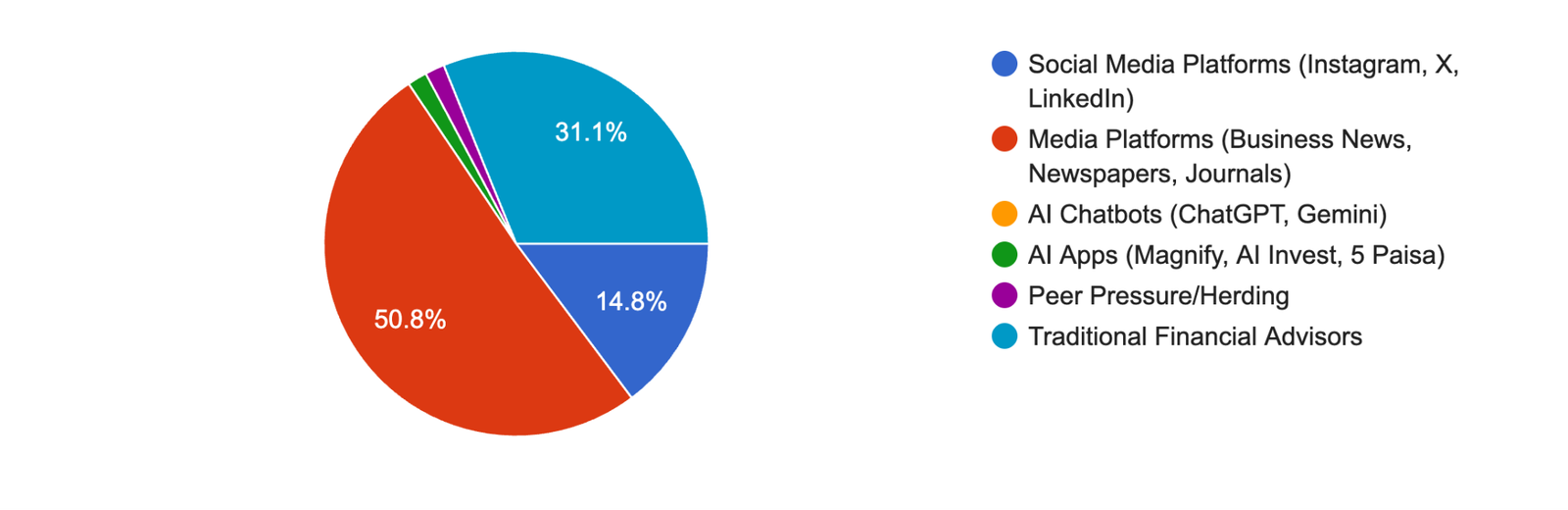
Figure 10: Most used data source for gathering information.
The above pie chart illustrates the primary source from which the respondents gather data regarding investment and related knowledge for decision making. It is observed that there is a significant reliance on broadcast media as a source (50.8%) for information collection. This is followed by traditional advisors(31.1%) indicating a strong presence of dependency on professional financial aid. Social media platforms like Instagram,X also form a portion of the total responses – wherein 18.4 % of total respondents rely on media platforms for real-time facts and opinions. In contrast there is a very low level of dependency on AI based tools and social groups, indicating scope for growth. Overall it can be observed that investors still tend to rely on traditional sources for guidance over the emerging technological tools.

Figure 11: Influence of digital financial information on Investment Behaviour.
The above likert scale visualization explains how access to digital financial information has affected the investment styles of respondents. 42.6% of the total respondents experienced a modest reaction over the access to data while 34.4% agreed that there is an impact of digitalization. It was analysed that a portion of the total respondents experienced a significant impact(13.1%) after using digitally obtained information. In contrast to this, only 8.2% of the respondents detected a very low impact.
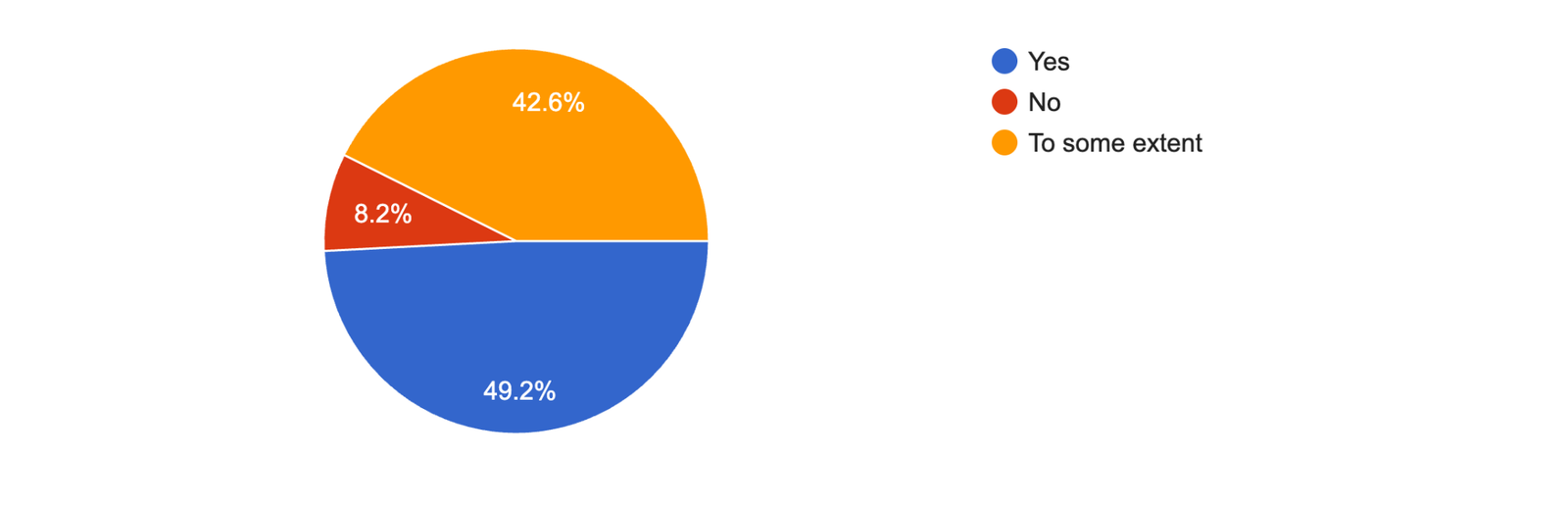
Figure 12: Influence of various information sources on investment behaviour over time.
Figure 12 illustrates how the availability of information sources have impacted the way respondents invest over a time. It was observed that a majority of respondents (49.2%) experienced a shift in their investment behaviour since access to different information sources increased. In addition to this, 42.6% of the respondents experienced a neutral shift and notably only a small portion (8.2%) remained unaffected by the increase in availability to financial information sources. From this, it can be inferred that access and availability to information sources significantly impact the investment behaviour.
Role of Financial Information Source in Investment Decision for Prior Investments:
It is analysed that investors rely on a combination of traditional, digital, and self-driven information sources when making investment decisions. While financial advisors and family members remain trusted sources, increasing use of digital platforms, financial news, and online analysis tools has enhanced investor confidence and informed decision-making.
FINDINGS
This section presents the age-wise findings of the study, highlighting how investment behaviour varies across different age groups based on the influence of financial information sources.
18 – 25 Years
Respondents in the 18-25 age group are either students or early earners with lower income. Investors of this age group prefer low-risk instruments such as fixed deposits and mutual funds. This group relies heavily on digital sources of information, particularly social media platforms, financial news apps, blogs, and YouTube influencers. As interpreted with the help of previous figures, though they actively consume financial information, verification before investing is observed to be inconsistent, indicating exploratory behaviour. Peer influence, family opinions, and herd behaviour play a moderate role in shaping their decisions. AI-based tools are generally perceived as easy to use, but trust on these sources are inconsistent, reflecting cautious optimism.
26 – 35 Years
Individuals in the 26-35 age group show greater financial awareness and stability. With higher and stable incomes, they reflect an investment approach which is balanced. Their investment preferences consist of a mix of traditional instruments like fixed deposits and mutual funds with higher-risk options such as equities, real estate, and digital assets. This group prefers investing after analysing information through digital platforms and professional sources, including financial advisors, webinars, and reputed financial websites. They show a tendency to verify information before acting upon it. Additionally, they rely on self-analysis combined with expert inputs. AI tools are viewed as supportive aids for analysis rather than complete replacements for traditional advisors.
36 – 50 Years
Respondents aged 36-50 displayed a change in risk attitude from moderate to averse. Their investment choices focus on mutual funds, gold, and stable equity investments, reflecting long-term financial planning and wealth preservation goals. They prefer structured information sources, such as business news channels, newspapers, podcasts, and financial advisors. This age group relies on experience driven decision making and portrays lower susceptibility to herd behaviour. This group shows lower vulnerability to herd behaviour and relies more on experience-driven decision-making. AI tools are used alongside human judgement for investment advice.
50 Years and Above
Respondents in the 50 years and above category prioritize steady returns due to lack of any major source of income. Hence, they are risk averse and seek capital protection.The instruments in which they usually express interest include Fixed deposits, mutual funds, gold, and insurance-linked products. Social Media influence remains minimal, while they have high confidence in traditional financial advisors, newspapers, and established media platforms. Although many respondents find AI tools easy to use, they are generally skeptical about AI replacing human advisors.
CONCLUSION
The study concludes that financial information sources play a significant role in shaping investment behaviour, with clear variations observed across different age groups. Younger investors are more inclined towards digital platforms such as social media, financial apps, and AI‑based tools, reflecting their technological adaptability and exploratory investment approach. In contrast, older investors demonstrate a stronger preference for traditional financial advisors and established media sources, emphasizing trust, experience, and capital protection. While AI tools are increasingly recognized for their convenience and analytical support, they are largely viewed as complementary rather than substitutes for human advisors. Overall, the findings highlight that age, experience, and access to information collectively influence investment decisions, suggesting the need for a balanced and age‑specific approach to financial guidance and investor education.
Future research may expand the scope of this study by incorporating larger and more diverse samples and examining the long‑term impact of emerging digital and AI‑driven financial information sources on investment behaviour.