
INTRODUCTION
Credit is an essential component of the modern economy, which helps people and institutions access financial resources that are beyond their immediate reach. It helps in smoothing consumption, making investments, managing liquidity constraints, and promoting economic
growth. For individuals, credit helps achieve personal, educational, and professional objectives, whereas for enterprises, it promotes growth and innovation. Conventional credit systems were dominated by banks, cooperative societies, and NBFCs, which involved time-consuming processes, paperwork, and collateral-based evaluations. Although these systems ensured regulation and control, they left out individuals who were not formally employed, lacked credit history, and did not have adequate assets.
However, technological innovation has transformed this landscape and created digital credit—a credit system that provides credit through digital channels such as mobile applications and online fintech platforms. Digital credit uses artificial intelligence, machine learning, and data analytics to assess creditworthiness in real-time, allowing for quick access to credit. Digital credit is characterized by convenience, speed, and the absence of paperwork, allowing borrowers to access credit at any time and from any location. The proliferation of smartphones, low internet costs, and the emergence of digital payment systems have fueled the growth of digital credit, particularly in developing countries. The role of governments in encouraging digital finance and financial inclusion has also been instrumental in the expansion of digital credit systems.
The shift from traditional to digital credit reflects the overall shift in consumer behavior and expectations. Today, consumers, including borrowers, expect simplicity, transparency, and personalization, which digital credit platforms offer. However, the swift growth of digital credit also poses potential risks, such as over-borrowing, data abuse, cybersecurity risks, and poor financial literacy, especially among the younger generation, who may not comprehend the long-term consequences of borrowing.
One of the most important demographic groups propelling this change is Generation Z (Gen Z), born between the mid-1990s and early 2010s. As digital natives, Gen Zers are deeply immersed in technology, using smartphones, online platforms, and social media for their day-to-day activities. Their arrival in the financial system has been simultaneous with the rise of digital credit, and they have turned out to be the most avid users of digital credit. They tend to view traditional banking as inflexible, slow, and unapproachable, while digital credit offered through fintech platforms is immediate, flexible, and engaging.
There are a number of reasons why Gen Z is so dependent on digital credit. First, they may not qualify for traditional loans because of their unsteady income, lack of collateral, or the fact that they have not yet established a credit history. This makes them more susceptible to digital lenders who assess their clients based on alternative data, such as their online spending habits. Additionally, economic factors such as the rising cost of education and the cost of living in urban areas also make Gen Z more dependent on digital credit for convenience and survival. Social factors also contribute to this phenomenon.
Although digital credit has improved accessibility and financial inclusion, it also poses a threat to the long-term financial well-being of users. This is because most Gen Zers have limited knowledge about interest rates, repayment terms, and credit scoring systems, which makes them vulnerable to debt traps.
In general, the use of digital credit by Gen Z is a very important development in the financial sector. This is because it shows the way in which technology and the behavior of generations interact to create new developments in the credit market. While this is an area that presents many opportunities, it is also a sector that requires well-balanced regulation.
A. Literature Review
1. Carlsson et al. (2017) analyzed how digitization affects consumer credit behavior. The review highlights that most existing research focuses on commercial perspectives, while limited attention is given to individual behavioral changes, particularly among youth. The study emphasizes the need for stronger financial literacy initiatives and policies to address emerging digital financial vulnerabilities.
2. Chappell et al. (2018) examined how digital lending is transforming traditional banks internally. The study found that end-to-end digital credit systems significantly reduce loan approval and disbursement times—from weeks to minutes—while improving revenue, margins, and operational efficiency for banks.
3. Dara (2023) investigated the effects of ease of use, consumer trust, and discount offerings on spending behavior in digital payment platforms such as GoPay and OVO in Indonesia. Based on survey data from 102 respondents, the study found that usability and trust significantly influence spending behavior and may reduce users’ control over expenses.
4. Kumari et al. (2023) examined the impact of retail credit options, particularly Buy Now, Pay Later (BNPL) schemes, on impulsive buying behavior among Generation Z in India. The study found that BNPL significantly encourages impulsive and financially unsustainable purchasing habits.
5. Otieno and Thuo (2024) analyzed the impact of digital credit providers on financial inclusion among low-income youth in Nairobi. The findings show improved access to finance, financial autonomy, and employment opportunities but also reveal challenges such as high interest rates, over-indebtedness, multiple loan holdings, and CRB listings, leading to a call for stronger government regulation.
6. Brailovskaya et al. (2024) examined whether digital credit in Malawi is trying to figure out if it really helps borrowers or just causes problems. They saw that people want these loans a lot, but most do not get the terms right, leading to late payments and all those extra fees piling up. Even when they tried a financial literacy program, it helped people understand things better, but it did not fix the repayment issues and actually made defaults a bit more likely, which seems kind of surprising.
7. Koul et al. (2024) studied the privacy worries with digital credit. It turns out both the users and the companies involved care a ton about keeping personal info safe. I think that makes sense, because without that protection, no one would trust the system. The research pushes for regulations that match what users want so trust can be built up in these digital setups.
8. Karyadi (2024) explored the work on why Generation Z might go for peer-to-peer lending through digital banks. She surveyed 200 people and ran some regression analysis, finding that financial literacy matters, along with how easy it feels to use, how useful it seems, and trust levels. Usefulness and trust stood out as the big ones driving interest, though the others play a role too. It feels like trust keeps coming up in these studies, almost like the key piece everywhere.
9. Sekarlaras et al. (2025) investigated how Generation Z handles money with digital financial platforms. One of them, by Sekarlaras and others in 2025, focused on Indonesia. They checked out financial literacy and individuals’ confidence in managing financial decisions and how it affects risky online credit behavior. It seems like literacy helps cut down on those risks, both straight up and by boosting confidence in finances. They used this SEM-PLS method on surveys from 141 respondents.
10. Lamichhane (2025) analyzed the overspending in Kathmandu Valley. Among Gen Z, things like how intangible the spending feels, or this illusion of having endless liquidity, plus promotional notifications and diminished awareness of actual expenditure, all drive people to spend too much. The study suggests platforms could add visual reminders of spending or build in tools for financial literacy.
B. Objective
1) To examine the primary reasons for which gen z uses digital credit
2) To analyse the factors influencing the usage pattern of Gen Z towards digital credit
C. Limitations
• Localized Sample: The study’s focus on a specific community means the findings might not speak for the entire “Gen Z” generation globally.
• Subjective Responses: Because the data is self-reported, it reflects the participants’ perceptions of their habits, which might differ from their actual bank statements.
• Rapid Tech Evolution: Since the digital credit market moves so fast, these attitudes represent a “moment in time” and could change as new apps or laws emerge.
• Confidence Over Knowledge: The survey measures how comfortable users feel with digital tools, but that doesn’t necessarily mean they have mastered the complex math of interest rates.
• Digital Access Bias: The results naturally favor those who are already tech-savvy, potentially leaving out the voices of Gen Z individuals who lack consistent internet access.
• Narrow Timeframe: This study doesn’t follow users over several years, so we can’t be sure if their current “strategic borrowing” will lead to long-term wealth or future debt.
D. Research Methodology
• Research Design: The study adopts a descriptive and analytical research design to examine the digital credit paradigm among Generation Z. A mixed-method approach is used to gain a comprehensive understanding of user behavior and existing theoretical perspectives.
• Sampling Unit / Target Population: The target population of the study consists of Generation Z individuals (born between the late 1990s and early 2010s) who are active users of digital platforms.
• Sample Size: For the study, primary data were collected from 85 respondents belonging to the Gen Z cohort through an online survey.
• Sampling Technique: The convenience sampling technique was adopted to reach digitally active respondents and ensure representation of a digital-first generation.
• Sources of Data: The study is based on both primary and secondary sources of data.
• Collection of Primary Data: Primary data was collected through a structured online questionnaire consisting of Likert scale questions, multiple-choice questions, and ranking questions to assess trust, usage patterns, and motivations for adopting digital credit.
• Collection of Secondary Data: Secondary data was collected through an extensive review of academic journals, conference papers, and financial reports sourced from Google Scholar and other reliable digital repositories, focusing on FinTech adoption and consumer behavior of digital natives.
• Data Analysis Technique: The collected data were analyzed using quantitative techniques. Descriptive statistics were used to interpret usage frequency, financial confidence levels, and factors influencing the shift towards digital credit. Insights from secondary data were used to support and contextualize the primary findings.
DATA ANALYSIS
The data collected from questionnaires is presented and analyzed according to different topics in the theoretical framework and research questions.
A. Demographics of respondents
Table 1: Demographics of Respondents
| Particulars | Number of respondents | Percentage | |
|---|---|---|---|
| AGE GROUP | 18-20 | 73 | 83.0% |
| 21-23 | 9 | 10.2% | |
| 24-27 | 6 | 6.8% | |
| OCCUPATIONAL STATUS | University/College student | 56 | 70.0% |
| Employed full-time | 16 | 20.0% | |
| Employed part-time | 4 | 5.0% | |
| Unemployed | 4 | 5.0% | |
| PRIMARY SOURCE OF INCOME | Parent/Family Support | 52 | 65.0% |
| Wages/Salary from Employment | 19 | 23.8% | |
| Savings/Investments | 4 | 5.0% | |
| Freelance/Gig work | 2 | 2.5% | |
| Working in a tuition | 1 | 1.3% | |
| Business | 1 | 1.3% | |
| Parents and salary | 1 | 1.3% | |
Table 2: Confidence in managing finances (1-5 scale)
| Confidence Level | Percentage | Approximate Count (out of 85) |
|---|---|---|
| Not at all confident | 34.1% | 29 |
| Slightly confident | 37.6% | 32 |
| Moderately confident | 17.6% | 15 |
| Confident | 8.2% | 7 |
| Very confident | 2.4% | 2 |
Figure 2: Confidence in managing finances (1-5 scale)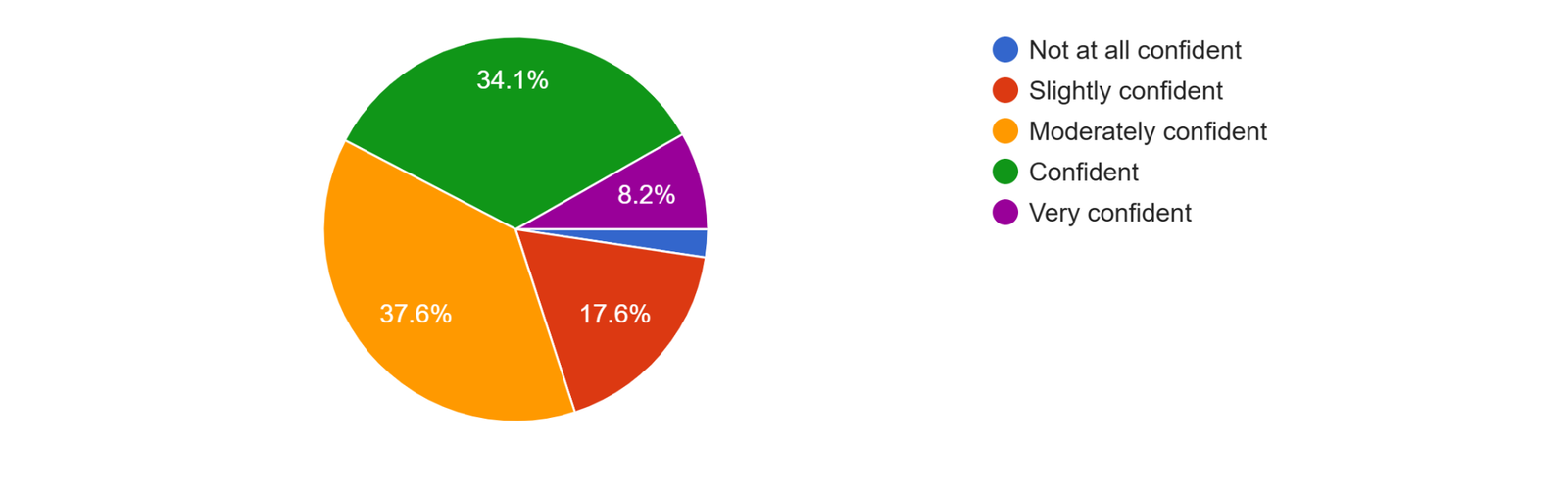
Source: Survey
Interpretation
This chart shows us that most respondents report at least moderate confidence in managing their finances, with 37.6% moderately confident and 34.1% confident.This is followed by a smaller share feel unsure, as only 17.6% are slightly confident and 8.2% very confident, while virtually none are at all confident.
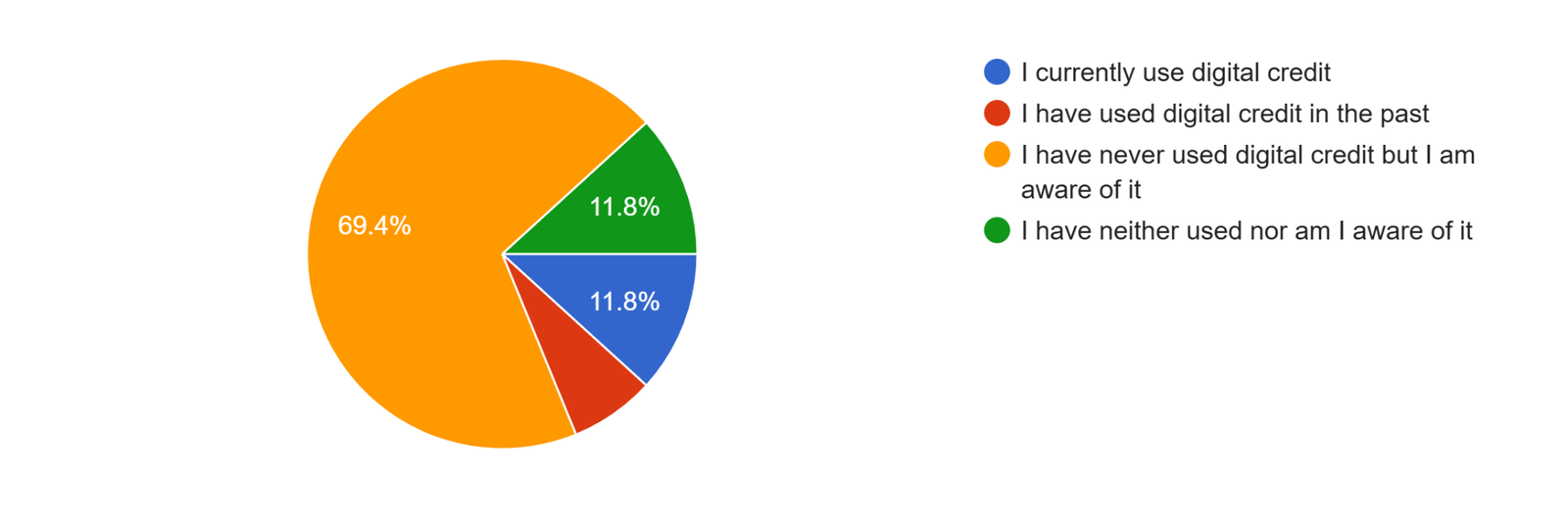
Figure 3: Which statement best describes you?
 Source: Survey
Interpretation
The chart illustrates that most respondents (69.4%) are aware of digital credit but have never used it. This suggests that while knowledge about digital credit is widespread, many are still hesitant to adopt it. A smaller share (11.8%) currently uses digital credit, indicating limited active usage. Another 11.8% are neither aware of nor have used digital credit, showing a small gap in awareness. Overall, the data reflects high awareness but cautious behavior toward digital credit.
Figure 4: What are the different forms of digital credit that you are familiar with?
 Source: Survey
Interpretation
The figure indicates that Amazon Pay (45.9%) is the most familiar form of digital credit among respondents, followed by Buy Now, Pay Later services (38.8%). This shows that respondents are more familiar with commonly used and visible digital platforms. Other forms, such as cryptocurrency credits, digital microloans, and platform credits, have very limited recognition. Overall, the data suggests that familiarity is higher for simple and widely used digital credit options.
Figure 5: Frequency of using digital credit
 Source: Survey
Interpretation
The figure illustrates that nearly half of the respondents (49.4%) have never used digital credit, highlighting low regular usage. About 28.2% use it rarely, while 17.6% use it occasionally, indicating limited dependence on digital credit. Very few respondents use digital credit very frequently. Overall, the data suggests that digital credit is used cautiously and not as a routine financial tool.
Figure 6: Which factors influence your decision to use digital credit the most?
 Source: Survey
Interpretation
The chart shows that ease of approval (40%) and cashback or discounts (38.8%) are the most important factors influencing the use of digital credit. This indicates that convenience and immediate benefits strongly affect user decisions. Factors such as low or zero interest (31.8%) and flexible repayment options (30.6%) also play a significant role. In comparison, peer influence (5.9%) has very little impact. Overall, the data suggests that practical benefits matter more than social pressure.
Figure 7: Level of trust in digital credit

Source: Survey
Interpretation
The figure illustrates that a majority of respondents (67.1%) have a moderate level of trust in digital credit platforms. This suggests cautious acceptance rather than complete confidence. A smaller group (18.8%) shows high trust, while 9.4% report low trust, indicating some concerns still exist. Very few respondents express very high trust. Overall, the data shows that trust is developing but is not yet strong.
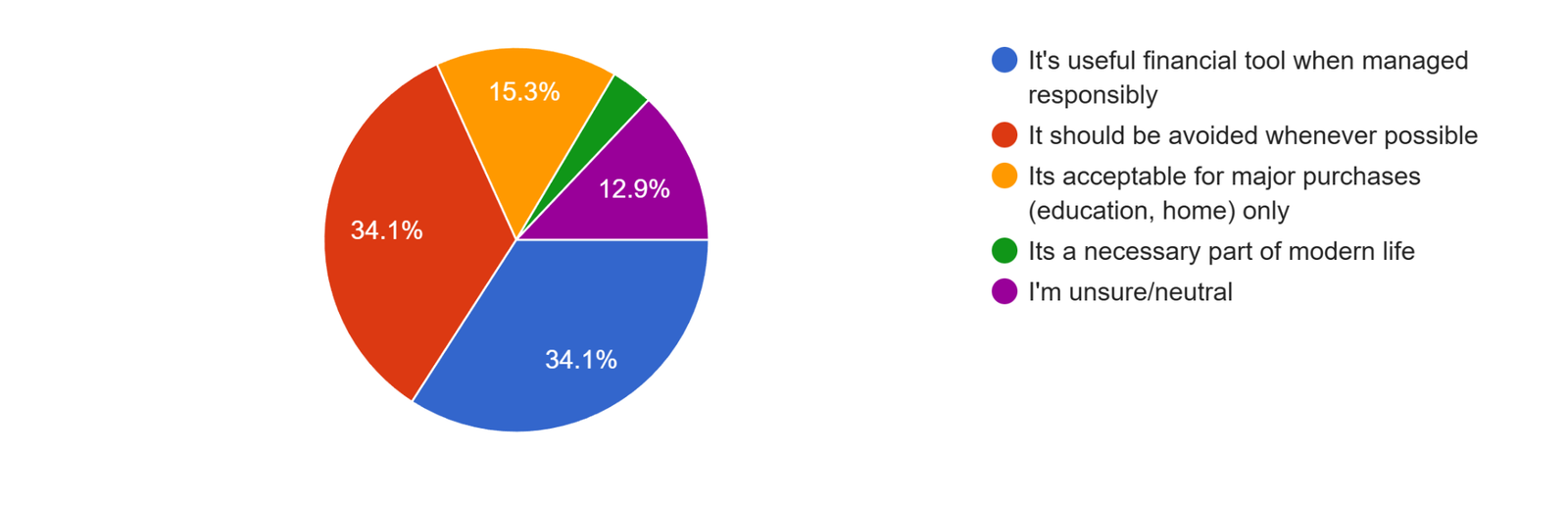
Figure 8: Showing Genz’s general attitude toward borrowing money
 Source: Survey
Interpretation
The chart shows a split in how Gen Z views debt, with 34.1% seeing it as a useful tool and another 34.1% preferring to avoid it entirely. It can be informed that while many are open to responsible borrowing, a large portion remain very cautious. On the other hand, 15.3% only accept borrowing for major life goals like education or a home. Overall, the data shows that Gen Z is divided between using credit strategically and staying debt-free.
Figure 9: Showing Digital credit encourages impulsive spending among Gen Z.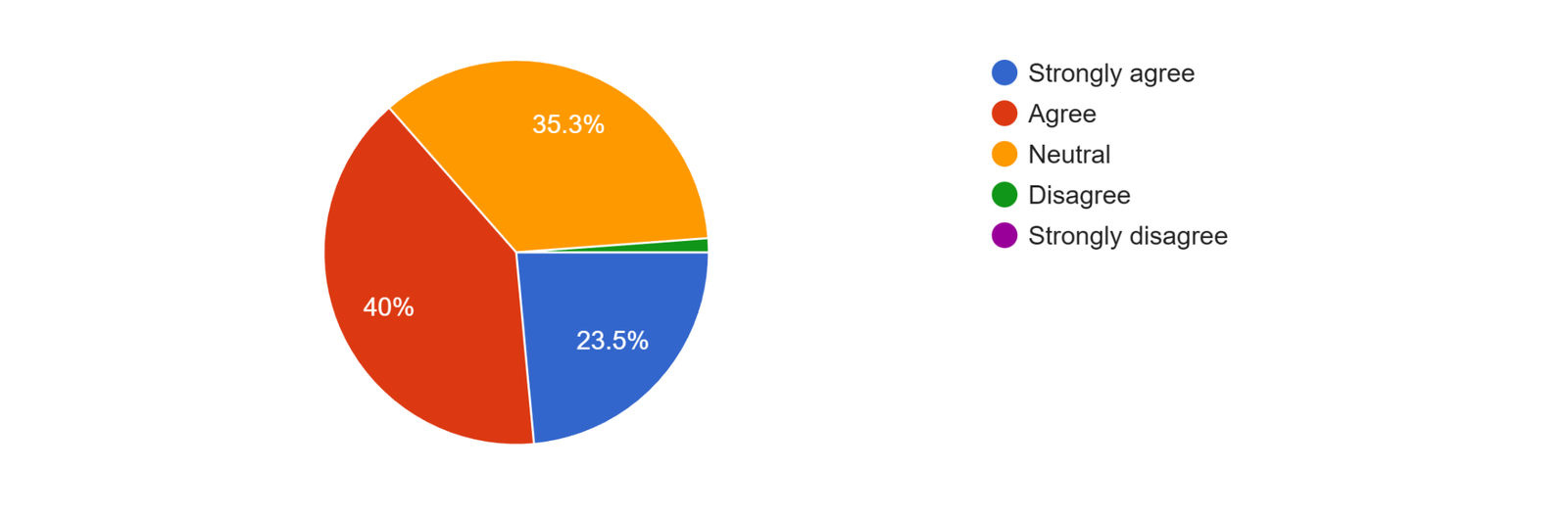 Source: Survey
Interpretation
The pie chart indicates that a significant 63.5% of respondents agree or strongly agree that digital credit encourages impulsive spending among Gen Z. It can be noted that a majority of the cohort views these platforms as a driver for unplanned expenditures. On the other hand, 35.3% of respondents maintain a neutral stance on the issue. Conversely, only a negligible minority disagreed with the statement. Overall, the data suggest a widespread perception that digital credit catalyzes impulsive financial behavior.
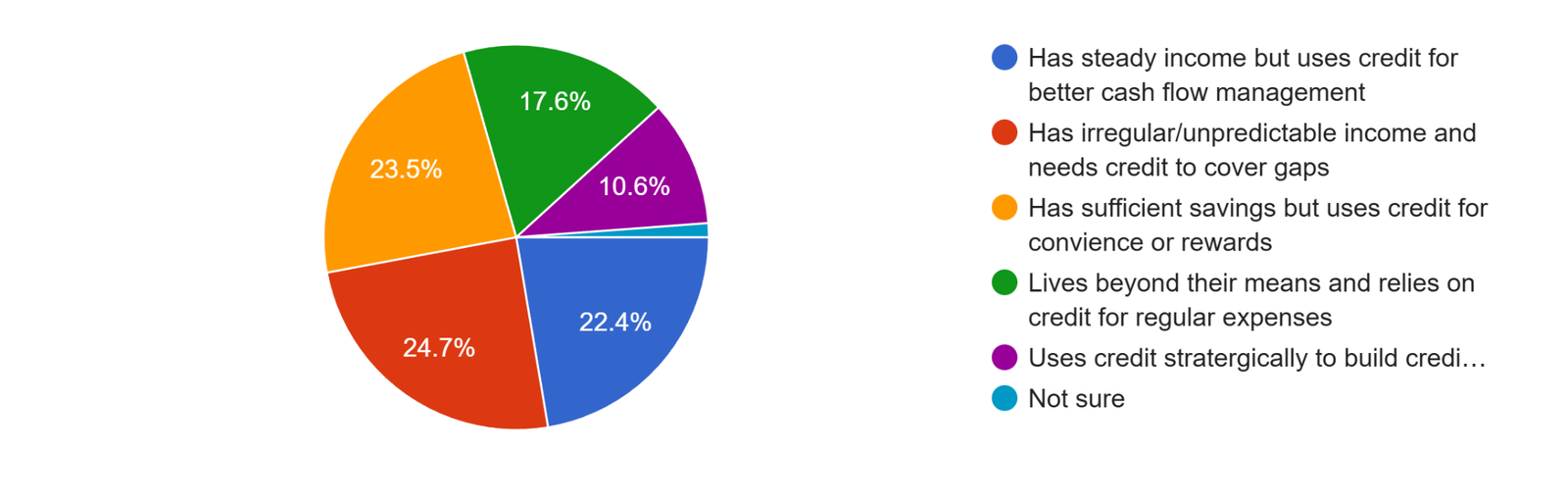
Figure 10: Perceived Financial Status of Regular Digital Credit Users
 Source: Survey
Interpretation
The chart shows that 24.7% of respondents link digital credit to unpredictable income, while 22.4% see it as a tool for cash flow management. It can be informed that many also view it as a convenience for those with savings (23.5%) or a way to build credit history (10.6%). On the other hand, 17.6% believe users are living beyond their means. Overall, the results suggest that Gen Z perceives digital credit more as a strategic financial tool than as a sign of debt struggle.
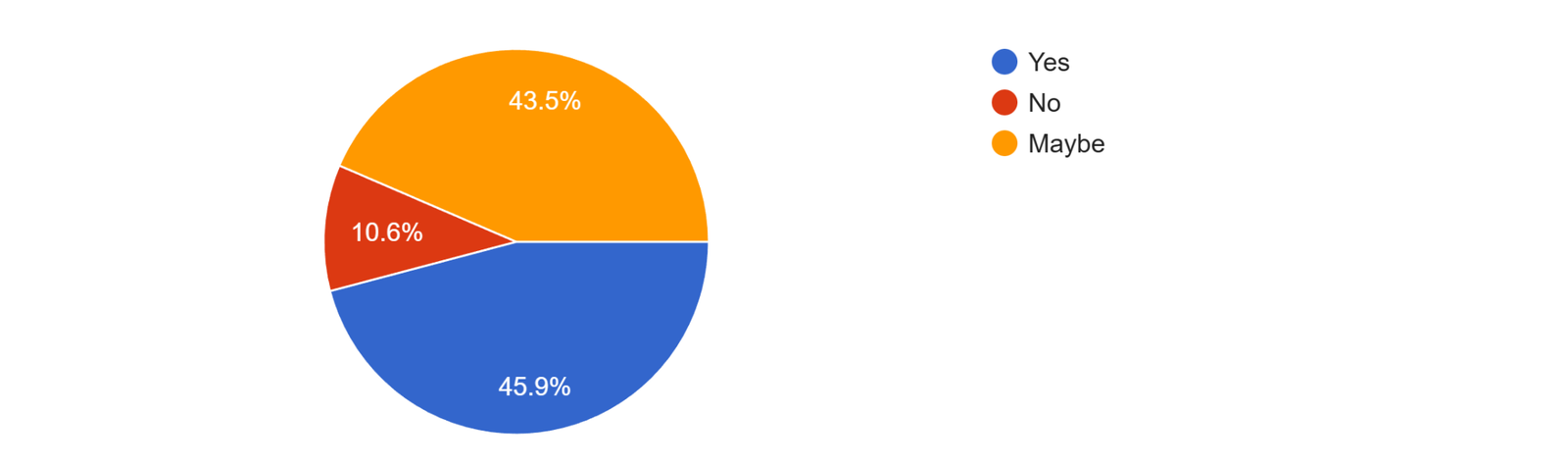
Figure 11: Showing Interest in Using Digital Credit in the Future
 Source: Survey
Interpretation
The chart shows that 45.9% of respondents are willing to use digital credit in the future if they have more information. It can be informed that another 43.5% are still undecided, showing a large potential for growth through better education. On the other hand, only 10.6% said they would not consider using it at all. Overall, the data highlights that providing clear information is the key to increasing trust and adoption among Gen Z.
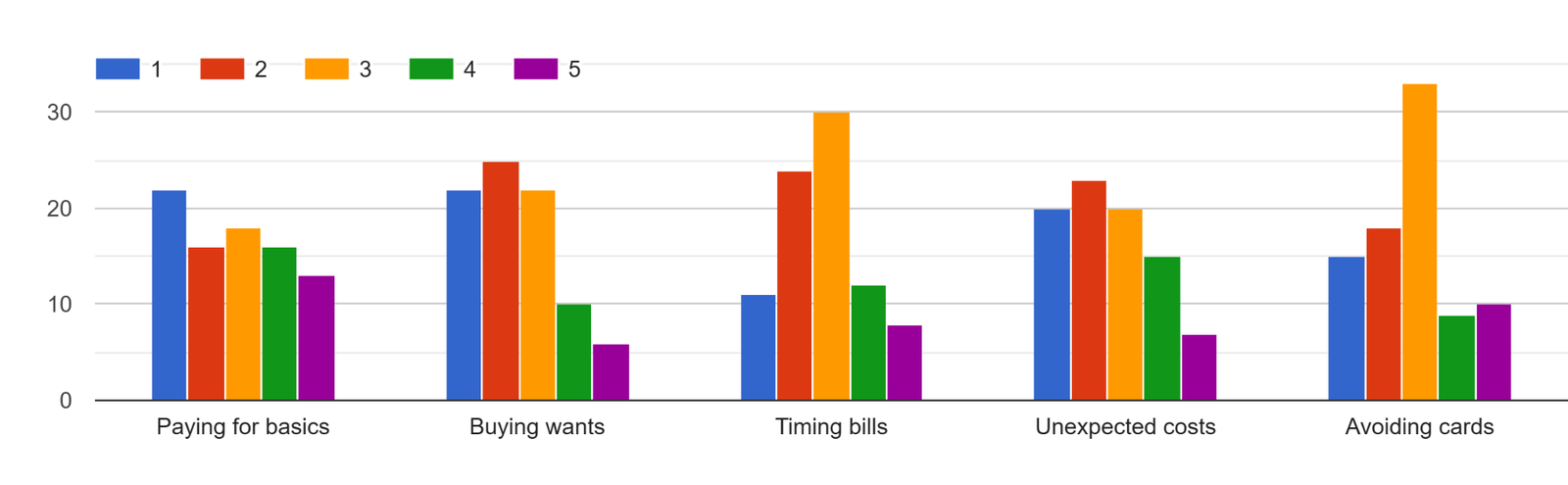
Figure 12: Showing Ranking of Primary Motivations for Digital Credit Usage
 Source: Survey
Interpretation
This bar chart shows what actually drives Gen Z to use digital credit, and the results are quite practical. It can be informed that “Paying for basics” and “Buying wants” are the top priorities, as they received the most Rank 1 and Rank 2 votes. On the other hand, reasons like “timing bills” or “avoiding cards” mostly sit in the middle of the pack. Conversely, while some use it for “unexpected costs,” it isn’t the main reason for everyone. Overall, the data reveals that Gen Z uses digital credit more for their daily lifestyle and essential needs than for emergencies.
CONCLUSION
In conclusion, the study focuses on understanding how Gen Z students in Mumbai perceive and use digital credit. The findings show that although awareness of digital credit is high, its regular usage is limited, as most students prefer to use it only when necessary rather than frequently. The study also shows that practical factors such as easy approval, flexible repayment options, and short-term financial benefits mainly influence the use of digital credit, while peer pressure has very little impact. This indicates that digital credit is seen more as a convenience-based option than a regular borrowing method. Overall, Gen Z students appear to approach digital credit with awareness and caution. However, since the study is limited to a specific group of students in Mumbai, the findings may not represent all Gen Z populations. Even so, the study provides useful insights into the digital credit behavior of young consumers.