
INTRODUCTION
Entrepreneurship represents a critical pillar for any nation’s economic development, serving as a catalyst for innovation, productivity enhancement, employment generation, etc. Through the creation of new ventures, conversion of innovative ideas into profitable businesses and replacing old with a new invention, entrepreneurial activity enhances a country’s industrial competitiveness and adaptive capacity within the global economy. Also, entrepreneurship contributes to social and regional advancement by resolving developmental disparities, fostering inclusive participation and stimulating equitable economic growth. These all dynamics in all, possie entrepreneurship as an indispensable instrument for achieving sustainable national prosperity and resilience. A vibrant entrepreneurial ecosystem—comprising entrepreneurs, financial institutions, educational bodies, policymakers, and support networks—serves as the backbone of a nation’s economic efficiency, stability and market dominance with a strong performance. Such ecosystems, along with productivity stimulation and technological advancement, foster the emergence of new enterprises that address local and global challenges. In today’s rapidly changing global economy, countries that cultivate dynamic entrepreneurial ecosystems are better positioned to achieve sustainable development, attract investment, and enhance social inclusion.
However, the benefits of entrepreneurship are not automatically inclusive. Many nations still experience disparities in access to entrepreneurial resources, knowledge networks and sharing of rewards. Structural inequalities, such as gender gaps, limited digital infrastructure, and uneven education systems, often prevent marginalized groups from fully participating in entrepreneurial activities. This implies that entrepreneurship should not only be promoted but should guarantee that its growth is inclusive and accessible to underrepresented and disadvantaged groups. In this context, Artificial Intelligence (AI) and digital literacy have emerged as transformative enablers within entrepreneurial ecosystems. AI applications have the potential to improve strategic decision-making, enhance operational efficiency, and generate new market opportunities for entrepreneurial ventures and digital literacy provides individuals with the requisite cognitive and technical competencies to navigate digital platforms, utilize AI-enabled tools effectively, and engage in data-informed innovation. This leads to equitable access to such technological resources and reduction in the socio- economic disparities.
In order to attain these in true sense, collaborative mechanisms have to be adopted among various societal actors. The Quadruple Helix Model—which emphasizes the interaction among government, academia, industry, and civil society—provides a holistic framework for fostering innovation and inclusivity. Governments create enabling policies and digital infrastructure; academia contributes research and education; industry drives technological application and investment; and civil society ensures that innovation serves social needs. The interdependence of these actors determines the strength and inclusiveness of the entrepreneurial ecosystem. Even with increasing acknowledgment of this framework, there is a notable gap in both empirical and theoretical studies investigating how the collective efforts of these stakeholders can enable AI-enabled and digitally proficient entrepreneurial ecosystems that support inclusive growth.
The significance of this study lies in its potential to provide insights into how nations can design innovation systems that are not only technologically advanced but also socially equitable. By understanding how AI and digital literacy interact with collaborative innovation structures, policymakers, educators, and industry leaders can develop strategies that democratize access to technology, empower diverse entrepreneurs, and sustain inclusive economic growth.
ENTREPRENEURIAL ECOSYSTEM
The concept of Entrepreneurial Ecosystem has gained significant scholarly attention as an analytical framework for exploring localized conditions, networks and interactions that collectively facilitate and enhance entrepreneurial activity. Stam E. (2015) defined entrepreneurial ecosystem as “a set of interdependent actors and factors co- ordinated in such a way that they enable productive entrepreneurship.” An entrepreneurial ecosystem is an arrangement of entrepreneurs, businesses, support institutions and processes that are combined together in a particular geographical area. These elements collaborate through both formal mechanism (such as legal frameworks, policies, etc.) and informal channels (Like local culture, peer networks) to shape and guide the entire entrepreneurial activity to achieve success. In this system, there is always an active engagement and ongoing interaction amongst its members that support innovative ideas, co- operative relationships and entrepreneurial growth (adapted from Mason & Brown, 2014; Stam, 2015; Spigel, 2017).
So, a robust Entrepreneurial Ecosystem is distinguished by its capacity to offer entrepreneurs access to critical inputs such as human capital, financial resources, institutional support. At core of these ecosystems, are the successful entrepreneurial leaders, a competent and educated talent pool, various sources of financial support and regulating framework designed to lower entry barriers and incentivize innovations. The location and industry focus of an Entrepreneurial Ecosystem highly influences types of startups supported in particular locations, innovations generated and resources offered. Like tech hubs may provide talent and funding while manufacturing regions offer production and expertise. Understanding these unique characteristics enable entrepreneurs to leverage strengths and address challenges more effectively. In a nutshell, Entrepreneurial Ecosystem can be described as a complex and interconnected network of stakeholders that collectively influence the development of entrepreneurial ventures, supporting in specific sectoral context and comprising a wide array of tangible and intangible resources, infrastructure, socio- economic conditions, business activities, etc.
INCLUSIVE GROWTH
Inclusive growth emphasises creating fair opportunities for all citizens irrespective of social or economic status with substantial benefits reaching every segment of the society. From various potential areas of inclusive development, entrepreneurship is an important aspect for the development of the nation. So, it is basically a holistic approach that interprets equity into the development process, ensuring that all sections of the society, regardless of their background, benefits equally from the progress. It aligns closely with global goods such as social justices, poverty reduction and equal opportunity.
A. Entrepreneurship as a Catalyst for Inclusive growth in a nation
As a driver of equitable progress, entrepreneurship bridges the gap between economic potential and social inclusion. It empowers all the communities to take part in the value creation, thus, enabling broad- based development in societies grappling with inequality and exclusion. Far from being limited to business creation, entrepreneurship is a transformative force that stimulates economic growth, reduces social exclusion and empowers citizens to contribute to national goals. Entrepreneurship not only enhances productivity and competitiveness but also contributes to social empowerment by enabling individuals and communities to engage in self-determined economic activity. It promotes economic resilience, enhances social inclusion, and supports development pathways aligned with wider policy objectives. Therefore, entrepreneurship should be understood not simply as an economic mechanism but as a normative vehicle for inclusive and sustainable human development.
B. Inclusive growth in Entrepreneurship leads to:
(a) Equal access to opportunities: Entrepreneurial inclusivity prioritizes the elimination of systemic constraints that limit diverse participation in the economy. Achieving equality of opportunity necessitates the establishment of supportive institutional and policy frameworks that allow individuals from varied social, cultural, and regional backgrounds to engage in entrepreneurship on equitable terms. This perspective is anchored in the principle of economic democratization, which maintains that sustainable development depends on extending the gains of growth beyond dominant groups to underrepresented communities.
(b) Participation of Marginalized groups: The inclusion of marginalized groups—including women, youth, ethnic minorities, and rural communities—serves as a critical driver of inclusive entrepreneurial growth. Entrepreneurship act as an instrument for broadening individual capabilities and empowering economic engagement. By integrating these groups into entrepreneurial ecosystems, societies benefit from greater innovation diversity and expanded market access. Policy frameworks promoting inclusive participation—through tailored training, targeted financing, and mentorship—mitigate structural barriers, thereby enhancing productivity and reducing social exclusion.
(c) Equitable wealth and job creation: Equitable wealth-and job creation entails designing economic systems and entrepreneurial ecosystems that facilitate fair distribution of profits and ensure accessible employment opportunities for all. This approach highlights the dual objective of entrepreneurship: generating economic value while simultaneously creating livelihoods for diverse communities. By prioritizing both income equity and labour absorption, it mitigates social and economic inequalities and strengthens the capacity of communities to participate meaningfully in national and regional development.
C. Fueling Inclusive Growth in Entrepreneurial Ecosystem through Artificial Intelligence and Digital Literacy:
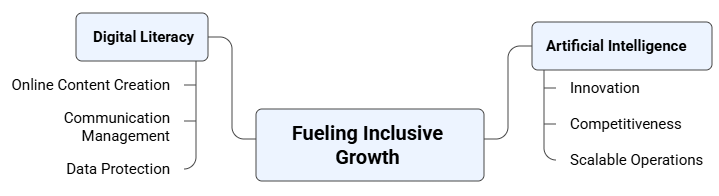
Figure 1. Inclusive Entrepreneurial Growth Enabled by AI and Digital Literacy
Artificial Intelligence: A Transformative Enabler in Entrepreneurship
Artificial Intelligence (AI) is a real time driver of innovation, competitiveness and scalable business operations. AI redefines how the entrepreneurs start, run and grow their small businesses. AI provides capabilities even to small scale entrepreneurs which were previously available to large scale corporations only. AI tools help the entrepreneurs to manage finances, investments; identify the products, markets and strategies which are most profitable; creating content, design and video production. AI emerges as a critical enabler for the startups and small businesses to stay agile, data- driven and efficient.
Digital Literacy: The Founder for Participation in Entrepreneurship
Digital literacy involves navigating digital tools, platforms and technologies, which helps in creating online content, managing emails, marketing, protecting personal data, personalizing customer engagement, etc. Digital literacy is the foundation of partnership as almost every aspect of entrepreneurship relies on digital tools, be it finding customers through online marketing or selling products via digital platform, accepting digital payments system, etc. With digital literacy, reaching a broader audience and building a brand becomes easy. Digital literacy is not just helpful; it is essential for modern entrepreneurship.
QUADRUPLE HELIX MODEL
Quadruple Helix Model expands upon a previous concept called the ‘The Triple Helix Model’. Triple Helix Model was conceptualized and developed by Henry Etzkowitz and Loet Leydesdorff. They released their study titled “The Triple Helix- University- Industry- Government Relations: A Laboratory for Knowledge based Economic Development” published in Glycoconjugate Journal in 1995. The Triple Helix Model offers a framework to encourage development of knowledge- centred economics systems. It emphasizes collaborative dynamics between universities, industry and government for driving economic development roots in knowledge and became popular concept in innovation.
But over time, researchers acknowledged that this original triadic model was insufficient for comprehensive representation of role played by civil society and citizens within innovative ecosystem. To address this, Carayannis & Campbell, in their research paper titled “‘Mode 3’ and ‘Quadruple Helix’: toward a 21st century fractal innovation ecosystem” published in the International Journal of Technology Management in 2009, proposed Quadruple Helix Model, introducing public/ civil society as a fourth helix. This model basically focuses on societal engagement in innovation processes and integration of cultural viewpoints giving rise to “knowledge democracy”. With the inclusion of fourth helix i.e. civil society, Quadruple Helix Model emphasizes the importance of society not only as a beneficiary but also as a proactive contributor to innovation, enabling more value generating activities through public participation, highlighting the citizen engagement in the governance of innovation processes. So, this evolution illustrates a reconceptualization of innovative dynamics where traditional Triple Helix is extended to include societal actors in a more integrating Quadruple Helix Model.
QUADRUPLE HELIX MODEL IN ENTREPRENEURSHIP
Entrepreneurship can be understood as a dynamic and opportunity driven process by which individuals or groups recognize, assess and act upon the potential to create value often under conditions of uncertainty through innovation, proactive decision- making and strategic resource mobilization, regardless of their current access to resources. Innovation is viewed as the driving force behind entrepreneurship as the entrepreneurs don’t just start the businesses but they create value by carrying on something differently by meeting consumers’ unmet needs, upgrading traditional markets, reimagining service deliveries, etc. Drucker (1985) called innovation “the specific instrument of entrepreneurship”, emphasizing that without innovation, entrepreneurship is simply a small business management.
In today’s knowledge-based economies, innovation and entrepreneurship are no longer attributed solely to individual effort or action of a single institution. Rather, they are now recognized as outcomes of complex, collaborative interactions involving a range of societal stakeholders. Amongst the varied frameworks to conceptualize their systematic view, the Quadruple Helix Model, building on the earlier Triple Helix framework by Etzhowitz and Leydesdorff (2000), expands to traditional focus on University- Industry- Government collaboration by adding a fourth dimension- Civil society, encompassing citizens, media and cultural institutions (Carayannis & Campbell, 2009).
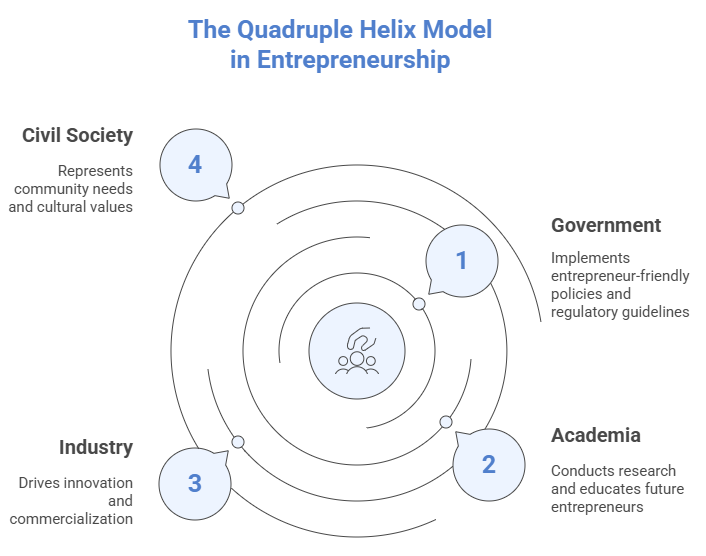
Figure 2. Quadruple Helix Model in Entrepreneurship Based on the Framework Proposed by Carayannis & Campbell (2009)
In the context of entrepreneurship, the Quadruple Helix model highlights importance of collective knowledge creation, shared innovation efforts, and co- ordinate policymaking across its four key factors to encourage new venture development, strengthen startup ecosystems and promote sustainable growth. There is a call for integrated approaches to solve complex global issues like digital transformation, climate change and societal inequalities. With the help of Quadruple Helix model, a framework for economic development and positive societal change can be developed as it allows policymakers and even researchers to build more inclusive innovation ecosystem that aligns with societal needs and position entrepreneurs as collaborative agents engaging with multiple societal actors.
Quadruple Helix Model in Entrepreneurship is used to understand how innovation and entrepreneurship emerge and evolve among four major sectors- Government, Academia, Industry and Civil Society. Entrepreneurial activity thrives in an ecosystem where these four actors collaborate, align economic goals and responds to societal needs. This creates a dynamic environment where new ideas can emerge, be tested and brought to market. Each of the four actors in the Quadruple Helix model offer distinct perspective and engage in joint problem- solving and shared innovation generating co- creation processes that fuel innovation. When these actors work towards common goals for instance, when universities design educational programmes that match industry needs, government create policies that support community needs and businesses actively involve citizens in shaping products and services, the resulting innovations are more likely to be sustainable, scalable and socially be impactful. By encouraging a participating approach to innovation, this model offers a roadmap for building inclusive, responsive and sustainable entrepreneurial ecosystems.
VI. The contribution and interdependence of quadruple helix actors in fueling inclusive growth in entrepreneurial ecosystem through the factors of artificial intelligence and digital literacy:
A. Role of government in promoting Entrepreneurship through digital literacy infrastructure
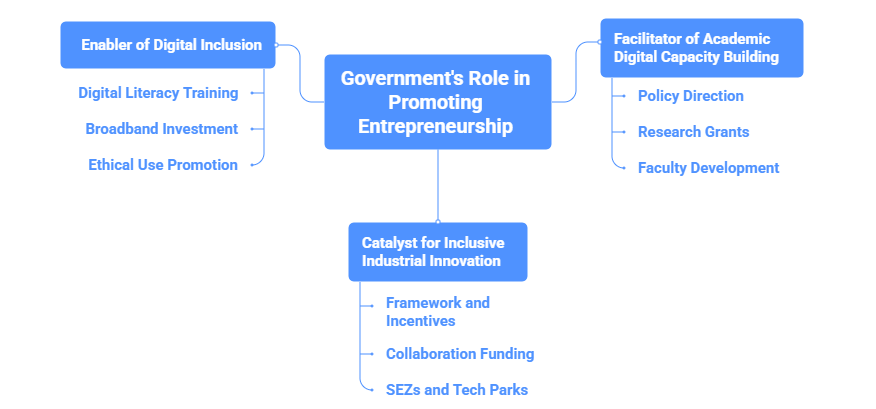
Figure 3. Framework of Government Support for Entrepreneurship Through Digital Literacy Development
1. Government as a Facilitator of Academic Digital Capacity Building:
The government provides policy direction by designing frameworks that embed Artificial Intelligence, digital literacy and entrepreneurship in school and university curricula, making possible the development of a future-ready workforce capable of driving inclusive innovation and sustainable economic growth. For example- India’s NEP 2020 promotes digital platforms and optimization of ICT based educational initiatives which increases the accessibility of education to larger population. Government provides research grants and infrastructure funding and collaborates with academic institutions to set up incubation centres especially in rural universities which gives access of AI tools to the students and researchers, enabling them to turn their creative ideas into startups and supporting prospective entrepreneurs to bring innovation by extensive research. Government invests in Faculty development Programmes to train the teachers and professors in AI and digital tools so that they can deliver updated and practical knowledge to the students. In short, government provides scholarships, digital infrastructure and online platforms to the large population to ensure that students, regardless of their background or location, can be benefitted from digital and entrepreneurial education.
2. Government as a Catalyst for Inclusive Industrial Innovation:
Government develops framework and incentives tailored to industry needs, including regulations focused on AI, to foster equitable competition, broad- based innovation and the accountable deployment of AI. Industry, including startups, small and medium enterprises, major corporation, drives economic growth. However, without government guidance and regulations, it risks becoming exclusionary, failing to support rural entrepreneurs, women and other underrepresented populations. Regulatory bodies provide grants to help local manufacturers adopt AI and digital tools, bringing innovation beyond urban tech centres. Government acts as a bridge between industry and academia by funding their collaboration encouraging joint research, developing AI based tools for SMEs in rural regions, creating SEZs and tech. parks in underdeveloped areas, etc. which encourages entrepreneurship creating solutions for real world problems.
3. Government as an Enabler of Digital Inclusion and Ethical Technological Participation:
The government plays a crucial role in empowering civil society by providing access to digital literacy and AI-driven tools that support entrepreneurship. By offering training through schools, community centres, and public programs, citizens gain skills to create businesses, access markets, and innovate using technology. Investments in broadband, technology hubs, and rural connectivity ensure that marginalized communities, women, and youth can participate in the digital economy. Partnerships with NGOs and social organizations help design programs that are inclusive, practical, and locally relevant. Governments also promote safe, responsible, and ethical use of digital tools, enabling citizens to confidently leverage AI and other technologies for entrepreneurial initiatives. By strengthening infrastructure and digital skills, civil society members can actively contribute to innovation, social development, and inclusive economic growth.
B. Academia’s function in developing AI-related curricula and research promoting Entrepreneurship:
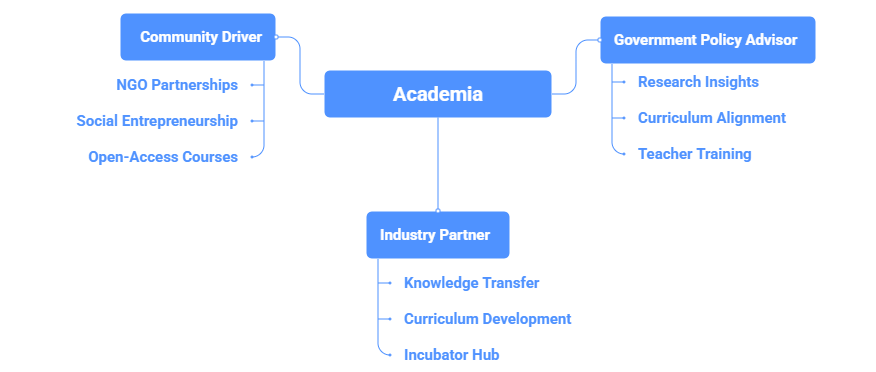
Figure 4. Framework of Academic Involvement in AI Curriculum Development and Entrepreneurship Research
1. Academia as an Advisor for Evidence-Based Government Policy in AI and Digital Entrepreneurship
Academia conducts research and provides data-driven insights on AI, digital literacy, and entrepreneurship and their implications and impact, expanding the reach of entrepreneurial capability across sectors. It ensures that the curricula align with the governmental strategies which emphasizes on national priorities like ethical AI, inclusion of digital skills into universities and vocational programmes. Academia collaborates with government in teacher training for informing about recent trends in entrepreneurial ecosystem, digital literacy programmes helpful for entrepreneurial inclusive growth, etc. Academia helps government to plan about AI and technology real by teaching and researching things that prepare citizens to use and understand these tools. This strengthens the country’s system for teaching people how to be digitally literate. Thus, academia serves as a knowledge provider and policy advisor to government in designing AI- related education for entrepreneurs, government interventions in startup financing, digital-skills development, and AI regulation—ensuring supportive frameworks for tech-based entrepreneurship.
2. Academia as a Partner in Knowledge Transfer and Industry-Driven Innovation
The collaboration between academia and industry establishes AI knowledge channels that stimulate economic growth, aligning research outputs with innovation and education with workforce readiness. Academia develops curricula in consultation with industry to equip students and early-stage entrepreneurs with AI competencies essential for venture creation — such as machine learning applications, data analytics for business, AI product design, and ethical innovation. Universities work with companies to offer internships and real-world projects, helping students learn how to solve business challenges and become innovative graduates ready to launch or join startups. Academia serves as a hub for incubators co-financed by industry, fostering the growth of emerging AI enterprises and innovation ecosystems. The potential entrepreneurs or researchers from academia come up with their creative ideas and industries provide bridge for commercializing these ideas. In short, academia and industry co- create AI knowledge pipelines that feed entrepreneurial ventures.
3. Academia as a Driver for Inclusive AI and Digital Literacy in Communities
In the Quadruple Helix model, civil society represents citizens, community groups, NGOs, and social organizations. Through partnerships with NGOs and community networks, universities extend AI and digital-literacy programs to empower grassroots innovators — particularly women entrepreneurs and rural startups. Academic programs embed social entrepreneurship components within AI curricula, motivating students to develop ventures that address societal issues. By partnering with civil society, universities help shape AI and digital entrepreneurship that is ethical, inclusive, and available to everyone—not just those in elite networks or urban tech hubs. Academia can create open-access courses on AI, data analytics, and digital entrepreneurship that are accessible to society at large, breaking barriers of geography and cost. Civil society understands ethical AI use, data privacy, etc. with the help of academia which ensures responsible adoption of AI fostering their trust in digital ecosystems. Universities connect aspiring community entrepreneurs with mentors, AI experts, and investors. This strengthens social capital and ensures that innovators from marginalized groups can enter the entrepreneurial ecosystem. Thus, academia enables community- AI literacy, guide socially responsible ventures, and expand inclusive access to entrepreneurial ecosystems.
C. Industry’s contribution to inclusive innovation practices expanding Entrepreneurial Opportunities:
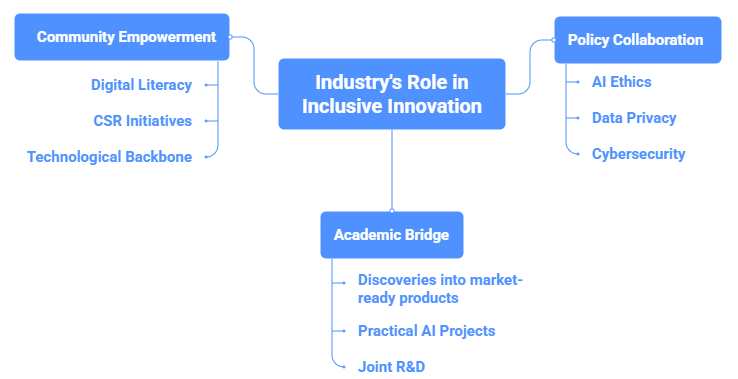
Figure 5. Industry Contributions to Inclusive Innovation and Entrepreneurial Growth
1. Industry as a Collaborator in Shaping Responsible AI Policy and Inclusive Digital Growth:
Industry includes corporations, SMEs, startups, and tech companies. Advises on regulations for AI ethics, data privacy, cybersecurity, and digital trade to ensure safe, responsible, and inclusive use. Industry provides insights into emerging technologies like AI, helping governments craft practical, forward-looking policies. Industry partners with government to implement digital literacy programs, AI training hubs, and innovation labs. Industry may fund government initiatives targeting AI literacy and entrepreneurship development. For example- Tech firms providing AI software licenses to government training programs for small business owners. Industry encourages government policies that expand opportunities for women, minorities, undeserved communities, etc. by advising on incentives for startups in rural areas, informing about data privacy concerns, proper usages of AI tools, etc. Thus, industry can be a partner in shaping policy, driving growth, and enabling innovation for government.
2. Industry as a Bridge Between Academic Research and Startup Development:
Industry helps academia bridge the gap between theoretical learning and market needs. Industry experts collaborate with universities to incorporate case studies, simulations, and practical AI projects based on real business challenges. Seminars are being conducted by industry professionals to expose researchers/ potential entrepreneurs to current industry trends, tools, and ethical practices in AI. Joint Research and Development projects are undertaken focusing on solving societal problems. Industry even helps turn academic discoveries into market-ready products or startups. Research results benefit not only major corporations but also local entrepreneurs, SMEs, and community businesses, promoting wider economic inclusion which helps to gain employable skills, empowering a diverse new generation of entrepreneurs in the digital economy.
3. Industry as a Supporter of Community-Driven Entrepreneurial Innovation through Digital Empowerment:
Industry plays an educational and motivational role in inspiring digital confidence and entrepreneurial spirit in civil society. It facilitates workshops and short courses focused on foundational digital competencies, data awareness, and everyday AI use. Through Corporate Social Responsibility (CSR) initiatives, companies establish digital literacy centres in rural and underserved areas. Collaborate with NGOs and community organizations to support and finance social entrepreneurs for societal benefit. Industry provides the technological backbone that civil society needs to adopt and use digital systems. Thus, serving as both implementer and advocate of innovation, industry empowers communities with the digital and AI capabilities required for active and equitable participation in the modern economy.
D. Civil society’s role in ensuring ethical and equitable participation in Entrepreneurship Projects:
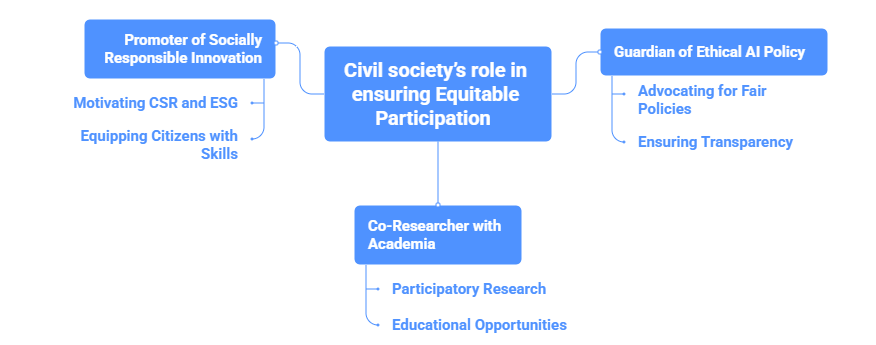
Figure 6. Civil Society’s Role in Promoting Ethics and Equity in Entrepreneurship Projects
1. Civil Society as a Guardian of Ethical, Transparent and Inclusive AI Policy:
The Civil Society represents citizens, NGOs, social organizations, cooperatives, media, and local communities. Civil society serves as a representative of the public, advocating for policies that promote fair and inclusive access to AI and digital resources. It ensures that technological and economic progress remains equitable, ethical, and people-centred. Civil society participates in consultations and forums to provide local expertise and highlight marginalized perspectives in national innovation policymaking. It can even coordinate with both government and industry to execute inclusive digital entrepreneurship projects. Education to citizens about their digital rights and responsibilities is provided and transparency, fairness, and accountability in how governments use AI and promote entrepreneurship is also ensured. Within the Quadruple Helix model, civil society functions as the ethical and democratic safeguard of governance. Its engagement ensures that AI and digital entrepreneurship policies uphold principles of: Inclusion, by addressing societal equity; Participation, through stakeholder involvement; and Accountability, via ethical oversight and impact assessment.
2. Civil Society as a Co-Researcher of Academia in Community-centred AI and Digital Entrepreneurship Initiatives:
By engaging communities in the research process, academia moves from knowledge “for” society to knowledge “with” society. Through collaboration with universities, civil society organizations can engage in participatory research addressing equitable AI use and digital enterprise development. For example: A university partnering with a local NGO to study how AI tools can support small-scale women entrepreneurs, combining academic data analysis with community insights. Civil society networks bring educational opportunities to rural and marginalized populations raise awareness about ethical AI, online safety, and data privacy. It helps connect academic innovations with grassroots entrepreneurs and community start-ups. By engaging civil society, academia gains credibility and social legitimacy. Thus, civil society ensures that academic research and innovation are aligned with the real needs and values of society, especially in the context of AI, digital literacy, and entrepreneurship.
3. Civil Society as a Promoter of Socially Responsible and Inclusive AI-Driven Industrial Innovation:
In the era of digital transformation and AI-driven entrepreneurship, civil society ensures that technological progress aligns with social inclusion, sustainability, and ethical governance. Civil society provides insight into societal needs and consumer expectations, helping companies design inclusive innovations. Civil society organizations (CSOs) motivate businesses to embed corporate social responsibility (CSR) and environmental, social, and governance (ESG) principles into their operations. Civil groups advocate for ethical AI practices, fair data use, and algorithmic transparency. Civil society works with industries to equip citizens and entrepreneurs with digital skills needed for inclusive economic growth. Some NGOs track industry compliance with ethical labour, environmental, and digital standards. Working together, civil society and businesses can develop models that integrate economic success and social value. Civil society turns industrial innovation into a force for social good, making technology accessible, inclusive, and accountable.
CONCLUSION
This study underscores that the entrepreneurial ecosystem remains a central driver of economic development, yet its transformative potential can be fully realized only through inclusive participation. Artificial intelligence and digital literacy serve as pivotal enablers of equitable participation by expanding access to resources, enhancing innovation capacity, and reducing structural barriers within the entrepreneurial landscape. Moreover, the coordinated involvement of government, industry, academia, and civil society is shown to be indispensable for creating supportive regulatory environments, strengthening digital competencies, and promoting socially responsive innovation. The findings collectively suggest that the convergence of AI-driven empowerment and digitally informed governance forms the basis for cultivating resilient, inclusive, and future-ready entrepreneurial ecosystems. By prioritizing inclusivity and technological capability, countries can build entrepreneurial environments that not only advance economic growth but also ensure wider societal benefits.