
INTRODUCTION
The postmodern era has marked a significant transformation in artistic practice through the emergence of new media art, which challenges traditional definitions of medium, form, and spectatorship. New Media Art loves experimentation, playing with space and our senses and it often puts interaction and big ideas front and center over just pretty pictures. This shift reflects broader postmodern concerns with multiplicity, instability, and the dissolution of fixed artistic meanings.
Within this contemporary framework, Anish Kapoor has emerged as a pivotal figure whose artistic practice redefines sculpture and installation through an intensive exploration of space, infinity, and perception. Born in Mumbai in 1954 and later working in the United Kingdom, he pushes sculpture and installations into new territory by dividing deep into space, infinity and how it was perceived. Kapoor’s sculptures often feature void like voids, concave forms, and mirror polished finishes that shatter visual stability, conjuring illusions of boundaries depth. Concepts of space and infinity in his work are not merely visual phenomena but experiential conditions that unfold through the viewer’s movement, reflection, and psychological engagement.
NEW MEDIA ART
New Media Art is contemporary art that puts digital technologies computers, software, videos, the internet, projections at the center of the work. It took off in the late 20th century and moves away from the static objects like paintings or sculptures towards dynamic, often interactive experiences where the viewer isn’t just looking but actively participating through movement, touch, or decisions, literally becoming part of the piece.
SPACE AND INFINITY IN ART
Space refers to the area within, around, or between elements in a work, shaping our sense of depth, distance, and relationships between forms. Infinity, by contrast, evokes a profound feeling of endlessness and boundlessness, evoked by endless repetition, infinite mirror reflections, vast voids, or extending patterns that pull viewers beyond visible limits. Anish Kapoor explores space and infinity through his large-scale sculptures and installations that profoundly alter viewers perception of reality, he creates illusions of boundless depth and endless expanse. Many works evoke an eerie void, where forms appear to absorb light or plunge into mysterious, bottomless depths.
DISCUSSION
Conceptual artist Anish Kapoor, Indian-born British sculptor, one of his significant work is “Descent into Limbo (1992)” [ Plate 1],Kapoor creates a square void coated in black pigment, producing an illusion of infinite depth that functions as a pure non-object, this work establishes the void as an active presence, where the absence of form generates an expansive conceptual space that swallows light and invites existential contemplation. Another important work is “Cloud Gate (2006)” [Plate 2], the iconic polished stainless-steel “Bean” displayed in Chicago. The sculptures reflective skin causes it to disappear into its urban surroundings, as Kapoor has described, while distorting reflections of sky, cityscape, and spectators into fluid, infinite loops. The work erases objecthood entirely, viewers become co-creators within an ever-shifting field of infinite spatial recession, where boundaries between inside an outside, self and environment, dissolve. Similarly, a further work “Sky Mirrror (2006)” [ Plate 3 ], exhibited at Rockefeller Center in new York and later at Kensington Gardens, deploys a massive concave mirror to capture and compress the infinite expanse of the sky onto the terrestrial plane, inverting scale and rendering cosmic vastness immediate and accessible. This non-object intervention expands conceptual space beyond the physical frame, aligning with Kapoor’s postmodern concern for infinity as both cosmic and phenomenological encounter.
CONCLUSION
This research shows how new media art in the postmodern era explores space and infinity, with Anish Kapoor’s work as a perfect example. He breaks from traditional sculpture by using voids, reflections, and illusions in pieces like Descent into Limbo, Cloud Gate, and Sky Mirror to create a sense of endlessness. His “non-object” approach turns emptiness and absence into active elements, making viewers question reality and become part of the experience. Ultimately, Kapoor expands what sculpture can do turning art into something deeply immersive and experiential that connects directly to today’s ideas about perception and space in contemporary art.
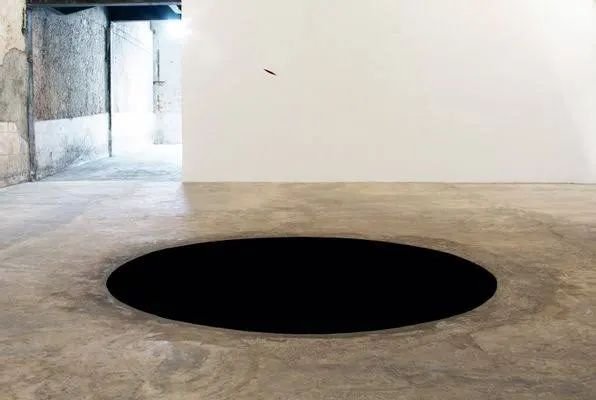
Plate 1-Descent into Limbo https://www.diggitmagazine.com/
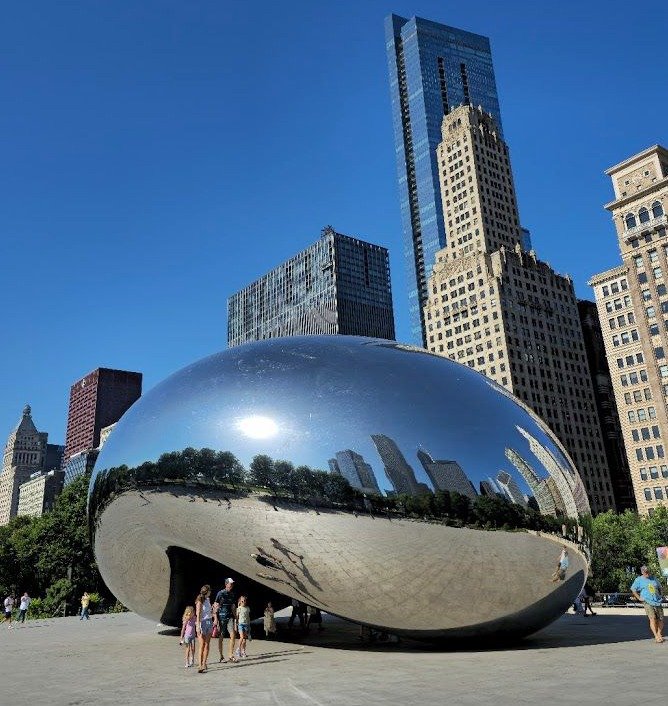
Plate 2-Cloud Gate https://anishkapoor.com/
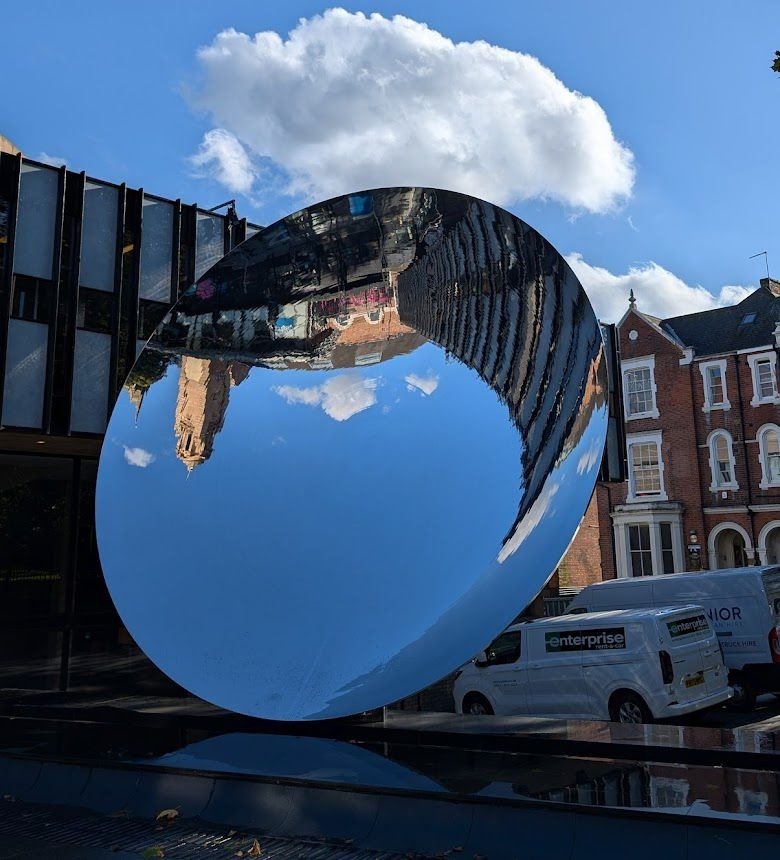
Plate 3-Sky Mirror https://anishkapoor.com/