
Introduction
Gender equality in employment policies is a fundamental aspect of constitutional governance and organizational fairness, ensuring that individuals are not discriminated against on the basis of sex in matters of recruitment, service conditions, promotion and retirement. The landmark judgment in Air India v. Nergesh Meerza1 exposed deeply rooted gender bias in employment policies, particularly those governing female air hostesses. The case highlighted how institutional service rules led to unequal treatment, reinforcing stereotypes and limiting women’s professional growth. The aim of this study is to critically analyse the status of gender equality in employment policies within public sector organizations and to assess whether existing human resource systems ensure fairness, non-discrimination and equal opportunity in practice.
A. Government initiatives to promote gender equality in employment
The Indian legal framework has progressively strengthened gender equality through constitutional provisions and statutory enactments. Articles 14, 15 and 16 of the Constitution2 guarantee equality before the law, prohibit discrimination by the State on grounds that include sex, and secure equality of opportunity in public employment. Legislative measures such as the Equal Remuneration Act, 19763 (repealed and replaced, with effect from 21 November 2025, by the Code on Wages, 20194), the Maternity Benefit Act, 19615 (amended in 2017 and, from the same date, replaced by the Code on Social Security, 20206), and the Sexual Harassment of Women at Workplace (Prevention, Prohibition and Redressal) Act, 20137 aim to ensure safe and equitable working conditions. Additionally, various public sector guidelines and service rules have been reformed since the judgment to eliminate discriminatory provisions relating to retirement age, marital status and the service conditions of women employees. Government policies now emphasise gender-sensitive HR practices, equal pay, maternity protection and grievance redressal mechanisms.
B. Evolution of gender equality in employment policies
The evolution of gender equality in employment reflects a shift from formal equality to substantive equality. Earlier, employment policies often contained explicit discriminatory clauses, such as termination of service on pregnancy, or on marriage within the first years of service, as seen in the Air India case.8 Over time, judicial interpretation and policy reforms have led to the removal of such provisions and the adoption of a more inclusive and rights-based approach. This evolution signifies a transition from rigid, patriarchal frameworks to more progressive models that recognise women’s autonomy, dignity and equal participation in the workforce. Courts have played a crucial role in interpreting constitutional guarantees to dismantle systemic discrimination and promote gender justice in employment.9
C. Factors affecting gender equality in employment
Despite legal advancements, the realisation of gender equality in employment is influenced by multiple factors. These include persistent gender stereotypes, a lack of gender-sensitive HR policies, unequal opportunities for promotion, and implicit biases in recruitment and evaluation processes.10 Other challenges include inadequate implementation of legal safeguards, a lack of awareness among employees, the absence of effective grievance mechanisms, and workplace cultures that discourage women’s participation in leadership roles.11 Socio-economic conditions, work-life balance issues and institutional resistance to change further hinder the effective realisation of equality in public sector organizations.12
D. Current trends in HR practices and gender equality
In recent years there has been a growing emphasis on inclusive and equitable HR practices. Public sector organizations are increasingly adopting gender-neutral recruitment policies, flexible work arrangements, diversity and inclusion programmes, and internal complaints committees to address workplace harassment.13 There is also a shift toward recognising unconscious bias, promoting women’s leadership and integrating gender equality into organizational culture. Digital HR systems and transparency mechanisms have improved accountability, though their effectiveness varies across institutions.
E. Comparison with other countries
A comparative perspective reveals that countries such as the United Kingdom, Canada and Australia have more structured and enforceable frameworks for gender equality in employment. These countries emphasise equal opportunity laws, anti-discrimination enforcement agencies, and organizational accountability through audits and reporting mechanisms.14
In contrast, while India has a strong constitutional and legal foundation supporting gender equality, challenges persist in implementation, particularly within public sector organizations. Institutional inertia, a lack of monitoring and gaps in HR practices often result in a disconnect between legal principles and their practical application.
Objectives
1. To critically examine the facts, legal issues and judgment of Air India v. Nergesh Meerza (1981) in the context of gender equality in employment.
2. To analyse the role of the constitutional principles of equality (Articles 14, 15 and 16) in addressing gender discrimination in workplace policies.
3. To evaluate the impact of the judgment on employment policies and HR practices in public sector organizations in India.
4. To identify gaps and suggest measures for strengthening gender equality in HR policies within public sector organizations.
Review of literature
1. Chandra, Sen and John (2013) The aim of this study was to analyse gender discrimination in employment laws in India with specific reference to judicial decisions affecting women employees. The methodology involved doctrinal legal research supported by case law analysis and constitutional interpretation. The findings revealed that courts often relied on formal equality rather than substantive equality, thereby limiting the scope of gender justice. It was observed that judicial approaches were inconsistent in addressing workplace discrimination. The study highlighted that structural inequalities were often ignored in employment-related judgments. The conclusion emphasised the need for a progressive and gender-sensitive interpretation of the equality provisions.
2. Kannabiran (2009) The aim of this study was to critically examine judicial responses to sex discrimination in India within a feminist legal framework. The methodology involved qualitative analysis of landmark judgments and feminist jurisprudence. The findings showed that courts often reinforced patriarchal norms under the guise of reasonable classification. It was observed that gender stereotypes influenced judicial reasoning. The study emphasised the lack of sensitivity towards women’s workplace experiences. The conclusion highlighted the importance of integrating feminist perspectives into constitutional interpretation.
3. Singh and Pandey (2016) The aim of this study was to evaluate women’s empowerment through HR practices in Indian public sector organizations. The methodology involved empirical research using surveys and statistical tools. The findings indicated that gender-inclusive policies exist but that their implementation is weak. It was observed that women face barriers in promotions and leadership roles. The study also identified organizational culture as a limiting factor. The conclusion stressed the need for stronger HR interventions and monitoring mechanisms.
4. Fredman (2011) The aim of this study was to analyse the concept of substantive equality in employment law. The methodology involved comparative legal research and theoretical analysis. The findings showed that formal equality fails to address the structural disadvantages faced by women. It was observed that equal treatment alone does not ensure equal outcomes. The study highlighted the importance of recognising social context. The conclusion emphasised adopting substantive equality in employment policies.
5. MacKinnon (1989) The aim of this study was to examine systemic gender discrimination in workplace structures. The methodology involved feminist theoretical analysis. The findings revealed that discrimination is embedded in institutional practices and norms. It was observed that workplace policies often reflect male-centric perspectives. The study emphasised the invisibility of structural bias in legal frameworks. The conclusion called for structural reforms to eliminate discrimination.
6. Hepple (2014) The aim of this study was to evaluate equality laws and their enforcement in employment contexts. The methodology involved doctrinal and comparative analysis. The findings showed a gap between legal provisions and their implementation. It was observed that enforcement mechanisms are weak in many organizations. The study highlighted the lack of accountability. The conclusion emphasised strengthening compliance systems.
7. Basu (2018) The aim of this study was to examine the constitutional interpretation of equality provisions in India. The methodology involved doctrinal legal research. The findings revealed inconsistent judicial approaches in gender discrimination cases. It was observed that courts sometimes adopted conservative interpretations. The study emphasised the judiciary’s role in shaping employment policies. The conclusion highlighted the need for a uniform, progressive interpretation.
8. Deakin and Morris (2012) The aim of this study was to analyse labour law frameworks and gender equality. The methodology involved legal analysis of employment laws. The findings showed that labour laws often overlook gender-specific challenges. It was observed that policies lack flexibility for women employees. The study emphasised inclusive labour reforms. The conclusion called for integrating gender perspectives into labour law.
9. Collins (2017) The aim of this study was to explore intersectionality in workplace discrimination. The methodology involved qualitative and theoretical research. The findings indicated overlapping discrimination based on gender, class and other factors. It was observed that traditional frameworks fail to capture these complexities. The study emphasised inclusive HR policies. The conclusion stressed adopting intersectional approaches.
10. Kapur (2012) The aim of this study was to analyse feminist perspectives in Indian constitutional law. The methodology involved doctrinal and theoretical analysis. The findings revealed limitations in formal equality frameworks. It was observed that structural inequalities persist despite legal protections. The study emphasised transformative constitutionalism. The conclusion advocated substantive equality.
11. Menon (2004) The aim of this study was to examine gender justice in Indian law. The methodology involved socio-legal research. The findings revealed persistent gender bias in institutional practices. It was observed that social norms influence employment policies. The study highlighted the gap between law and practice. The conclusion emphasised judicial responsibility in promoting equality.
12. Sharma (2019) The aim of this study was to evaluate gender equality in public sector employment. The methodology involved empirical survey research. The findings indicated disparities in recruitment and promotion. It was observed that women face career stagnation. The study highlighted a lack of gender-sensitive HR policies. The conclusion emphasised policy reforms.
13. Agarwal (2015) The aim of this study was to examine workplace discrimination laws in India. The methodology involved doctrinal analysis. The findings showed gaps in the implementation of equality laws. It was observed that enforcement mechanisms are weak. The study emphasised strengthening legal frameworks. The conclusion stressed effective implementation.
14. Nussbaum (2000)15 The aim of this study was to analyse the capabilities approach to gender equality. The methodology involved philosophical analysis. The findings emphasised enabling conditions for women’s development. It was observed that employment policies must ensure dignity and opportunity. The study highlighted human development perspectives. The conclusion supported policy reforms.
15. Sen (1999)16 The aim of this study was to examine gender equality as part of development. The methodology involved socio-economic analysis. The findings showed that inequality limits economic growth. It was observed that employment opportunities are crucial for empowerment. The study emphasised equal access. The conclusion stressed inclusive policies.
16. Bhattacharya (2020) The aim of this study was to analyse gender bias in HR practices. The methodology involved case study analysis. The findings revealed discriminatory recruitment and promotion practices. It was observed that biases persist in decision-making. The conclusion emphasised HR reforms. The study highlighted the need for training and awareness.
17. Kabeer (2005) The aim of this study was to examine gender equality in labour markets. The methodology involved empirical research. The findings showed systemic disadvantages for women. It was observed that socio-cultural barriers exist. The study emphasised policy intervention. The conclusion stressed equality measures.
18. ILO (2018) The aim of this study was to analyse global gender equality trends in employment. The methodology involved statistical analysis. The findings indicated persistent gender gaps. It was observed that women face unequal pay and opportunities. The study emphasised international standards. The conclusion stressed policy alignment.
19. World Bank (2020)17 The aim of this study was to examine legal barriers to women’s employment. The methodology involved comparative global analysis. The findings revealed discriminatory legal provisions. It was observed that reforms improve participation. The study emphasised legal equality. The conclusion supported policy change.
20. OECD (2019) The aim of this study was to evaluate workplace gender policies. The methodology involved policy analysis. The findings showed the importance of organizational culture. It was observed that diversity improves performance. The study emphasised inclusive HR practices. The conclusion stressed reforms.
21. Gupta (2017) The aim of this study was to analyse discrimination in public sector units. The methodology involved an empirical survey. The findings showed gender disparity in promotions. It was observed that policies are not effectively implemented. The study highlighted structural barriers. The conclusion emphasised equal opportunity frameworks.
22. Rao (2016) The aim of this study was to examine HR practices in public sector organizations. The methodology involved qualitative research. The findings indicated a lack of gender sensitivity. It was observed that traditional practices dominate. The study emphasised modernisation. The conclusion stressed reform.
23. Das (2021) The aim of this study was to analyse gender diversity in workplaces. The methodology involved mixed-method research. The findings revealed slow progress. It was observed that inclusion initiatives are limited. The study emphasised proactive strategies. The conclusion supported diversity policies.
24. Mehra (2018) The aim of this study was to examine legal protections for women employees. The methodology involved doctrinal research. The findings showed gaps in enforcement. It was observed that awareness is low. The study emphasised implementation. The conclusion stressed stronger mechanisms.
25. Bhandari (2022) The aim of this study was to analyse post-liberalisation HR policies. The methodology involved comparative analysis. The findings showed improvement but uneven implementation. It was observed that the private sector performs better. The study emphasised accountability. The conclusion stressed reforms.
26. Joseph (2015) The aim of this study was to evaluate the judicial impact on employment policies. The methodology involved case law analysis. The findings showed that landmark judgments influence HR reforms. It was observed that courts play a transformative role. The study emphasised judicial activism. The conclusion supported progressive judgments.
27. Patel (2019) The aim of this study was to examine workplace discrimination. The methodology involved empirical research. The findings revealed bias in hiring and promotion. It was observed that women face systemic barriers. The study emphasised inclusive policies. The conclusion stressed reforms.
28. Khan (2020) The aim of this study was to analyse gender equality laws. The methodology involved doctrinal analysis. The findings showed progressive developments but weak enforcement. It was observed that implementation gaps persist. The study emphasised legal reform. The conclusion stressed enforcement.
29. Saxena (2014) The aim of this study was to examine women’s participation in public sector employment. The methodology involved statistical analysis. The findings indicated low representation in leadership roles. It was observed that the glass ceiling persists. The study emphasised policy change. The conclusion stressed inclusion.
30. Air India v. Nergesh Meerza (1981) (case analysis).18 The aim of this analysis was to critically examine gender discrimination in employment policies within Air India through judicial scrutiny. The methodology involved doctrinal legal research and detailed case law analysis. The findings revealed that discriminatory service conditions, such as termination of service on first pregnancy and restrictions on marriage, were challenged. It was observed that the Supreme Court struck down certain provisions as arbitrary while upholding others under reasonable classification. The case highlighted both progress and limitations in the judicial protection of women’s employment rights. The conclusion emphasised that the judgment was a milestone but still fell short of achieving substantive gender equality in employment policies.
Methodology
The methodology adopted is doctrinal and empirical in nature, combining case law analysis with survey-based research using convenience sampling. A total sample of 200 respondents, including employees from various public sector organizations, was considered for the study. The independent variables are gender, age, designation, years of service and type of organization. The dependent variables are awareness of gender equality norms, perceptions of workplace discrimination, opinions on HR policies, experiences of inclusivity, and views on the implementation of judicial precedents. The data were analysed through bar graphs, clustered bar charts and chi-square analysis using SPSS.
Analysis
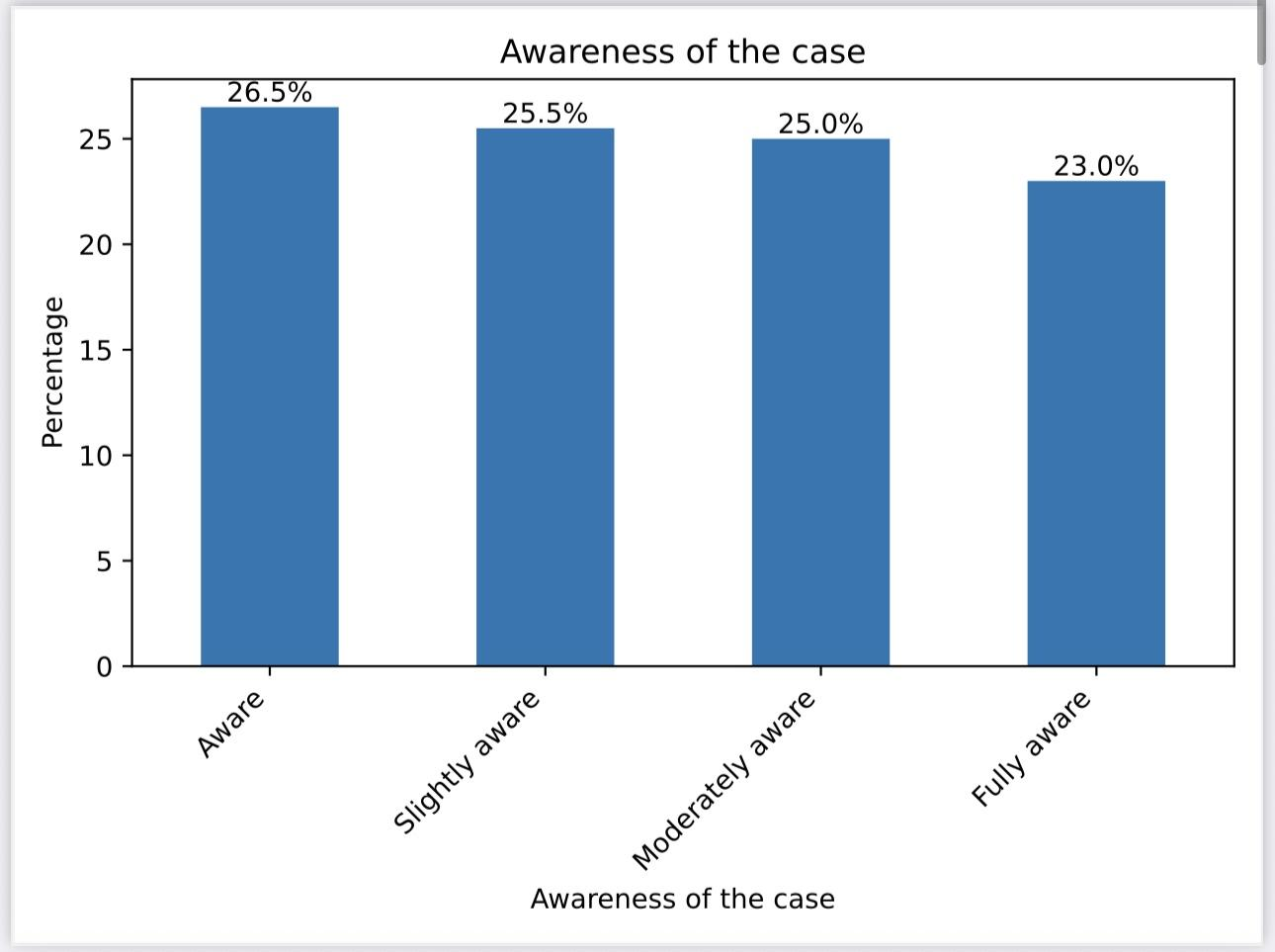
Figure 1: Awareness of the case among respondents (per cent)
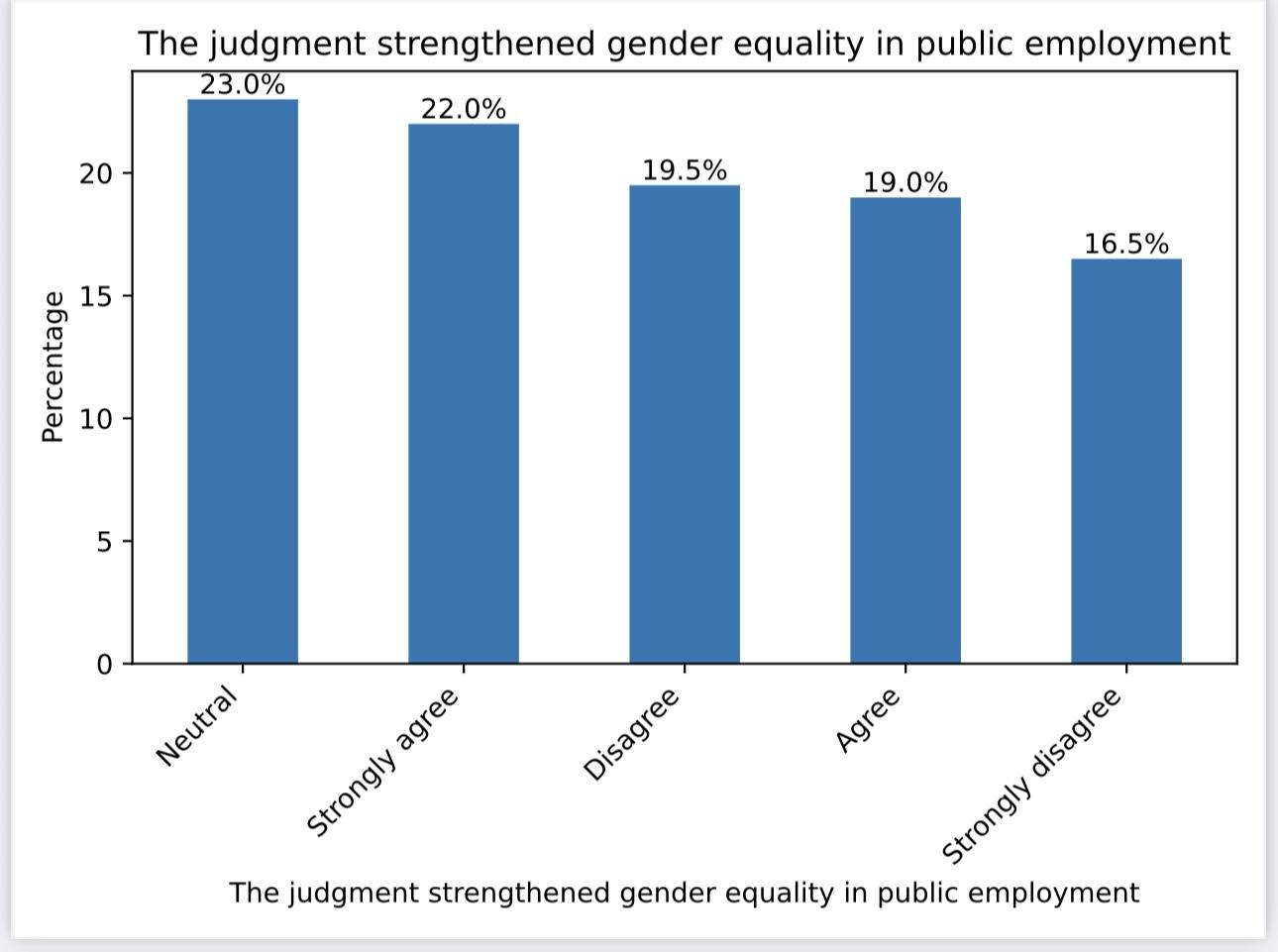
Figure 2: Opinion on whether the judgment strengthened gender equality in public employment (per cent)
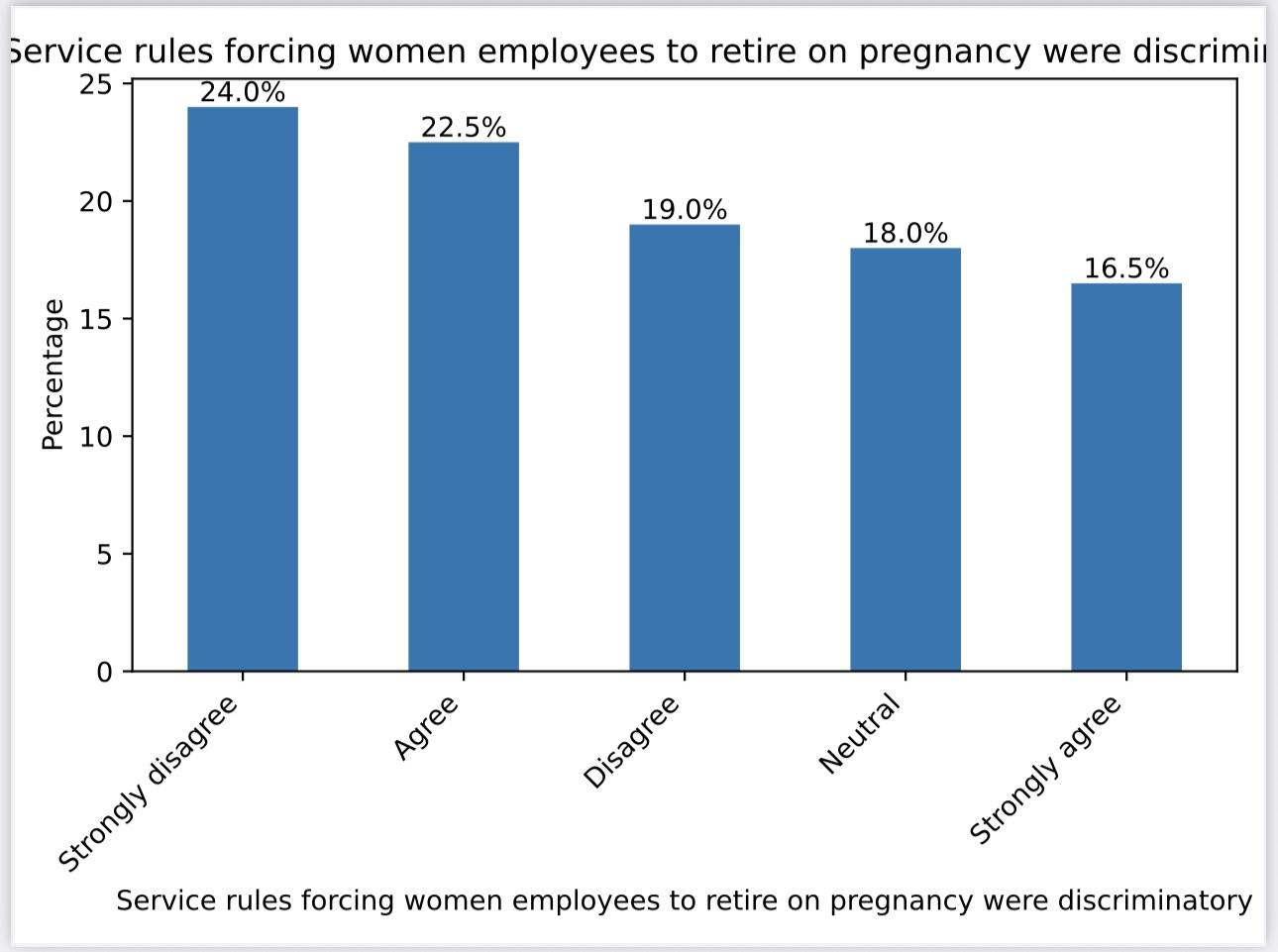
Figure 3: Perception that service rules forcing women employees to retire on pregnancy were discriminatory (per cent)
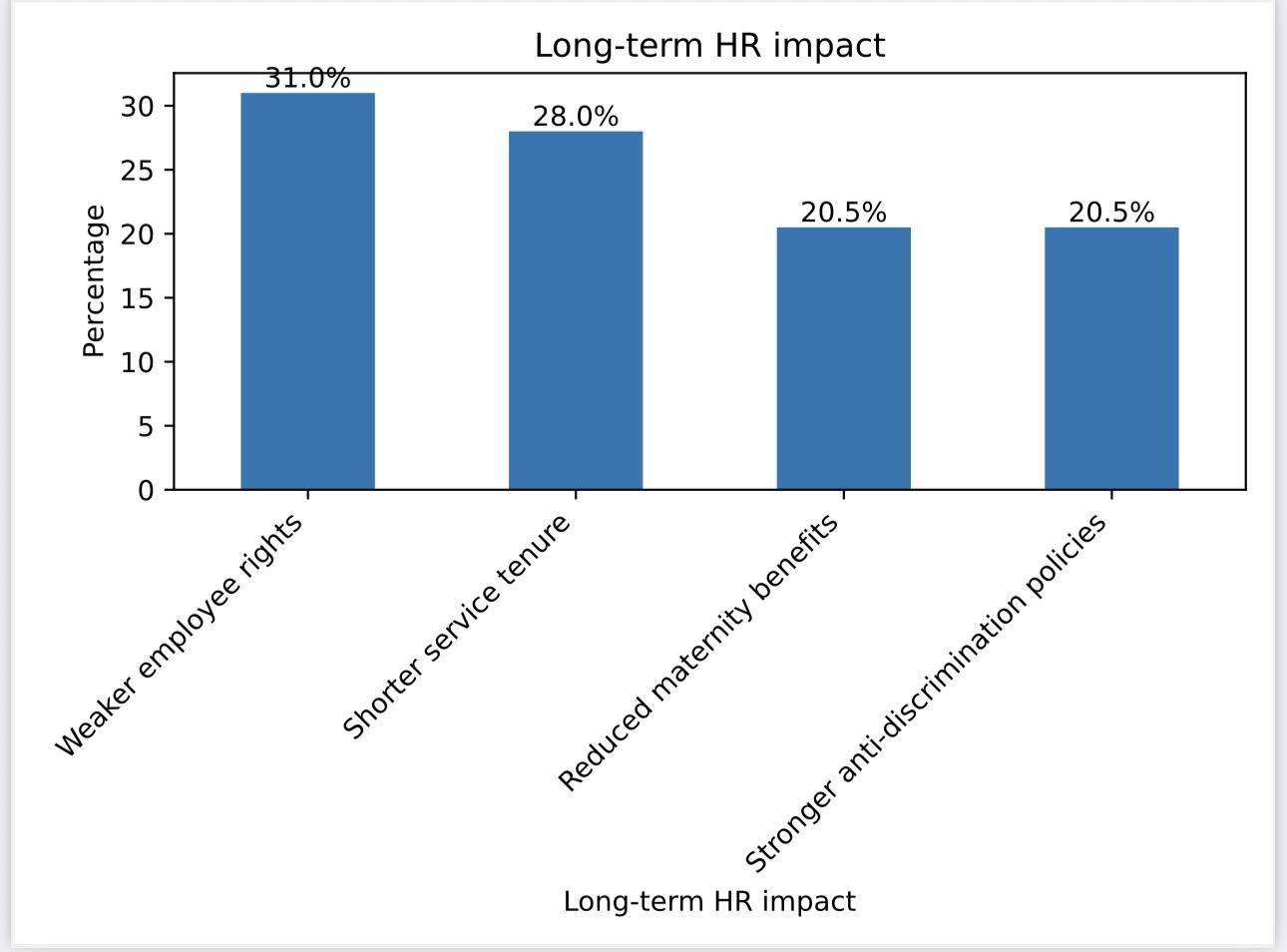
Figure 4: Respondents’ views on the long-term HR impact of the judgment (per cent)
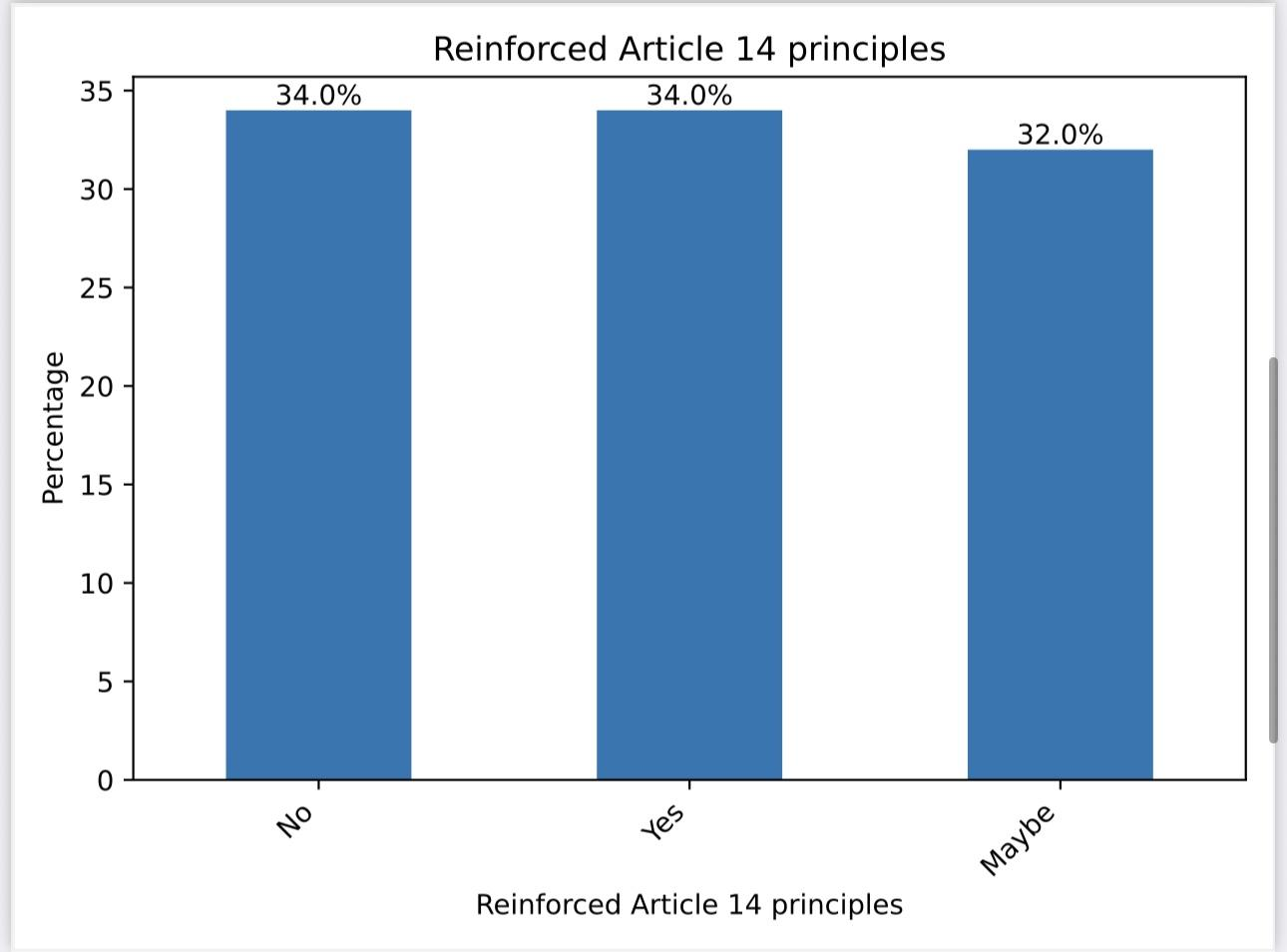
Figure 5: Opinion on whether Article 14 principles were reinforced (per cent)
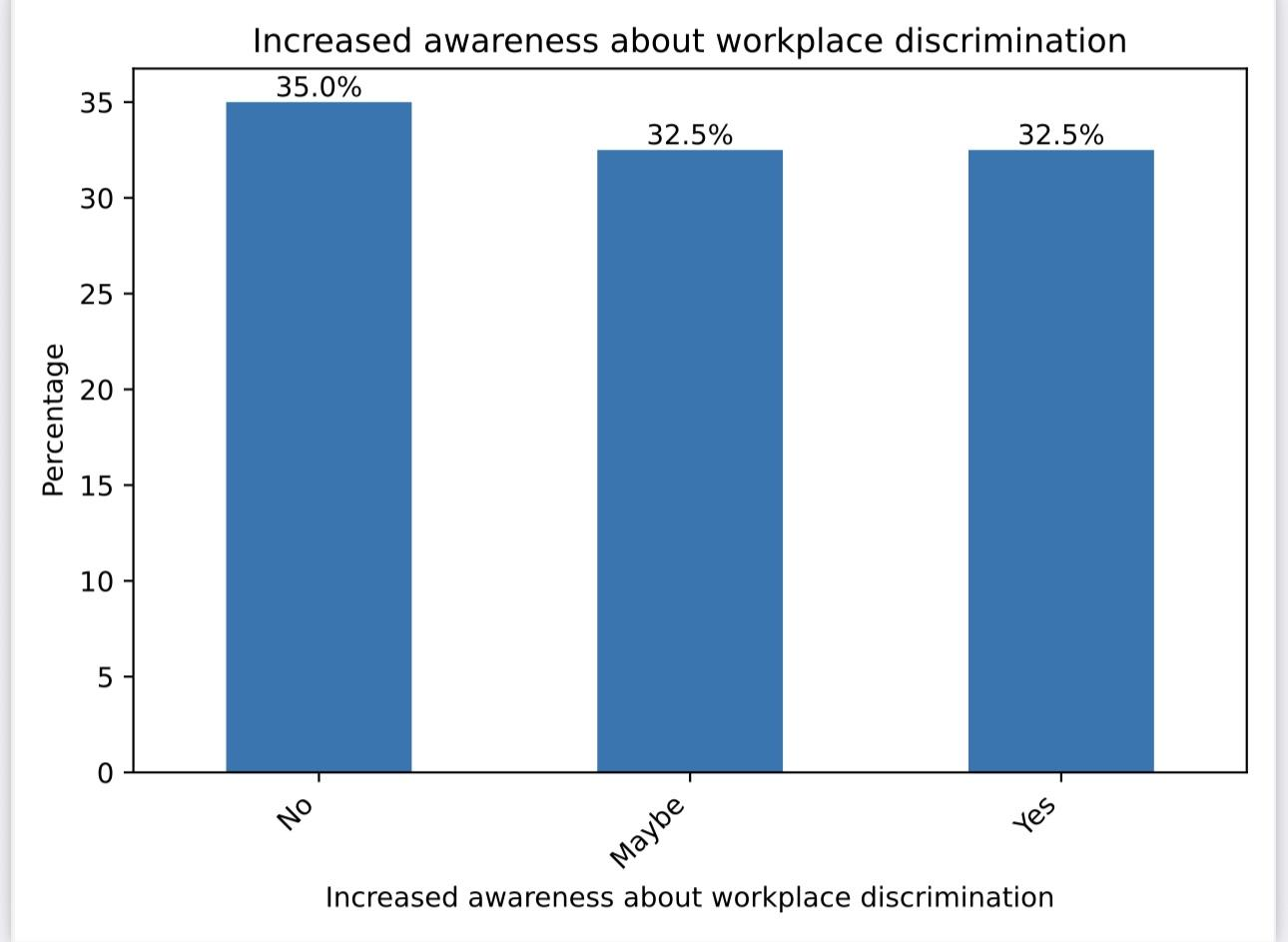
Figure 6: Opinion on whether awareness about workplace discrimination has increased (per cent)
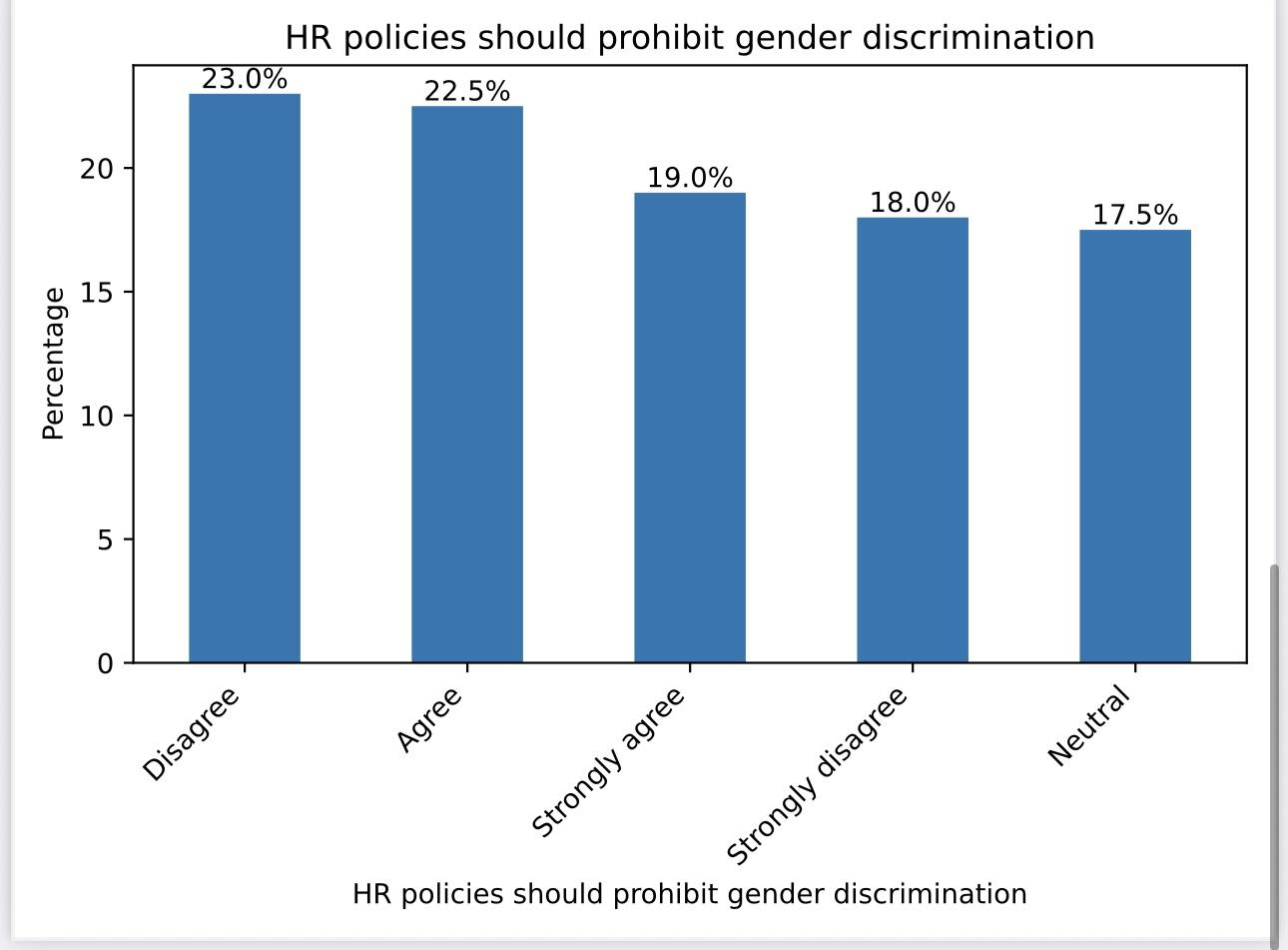
Figure 7: Opinion that HR policies should prohibit gender discrimination (per cent)
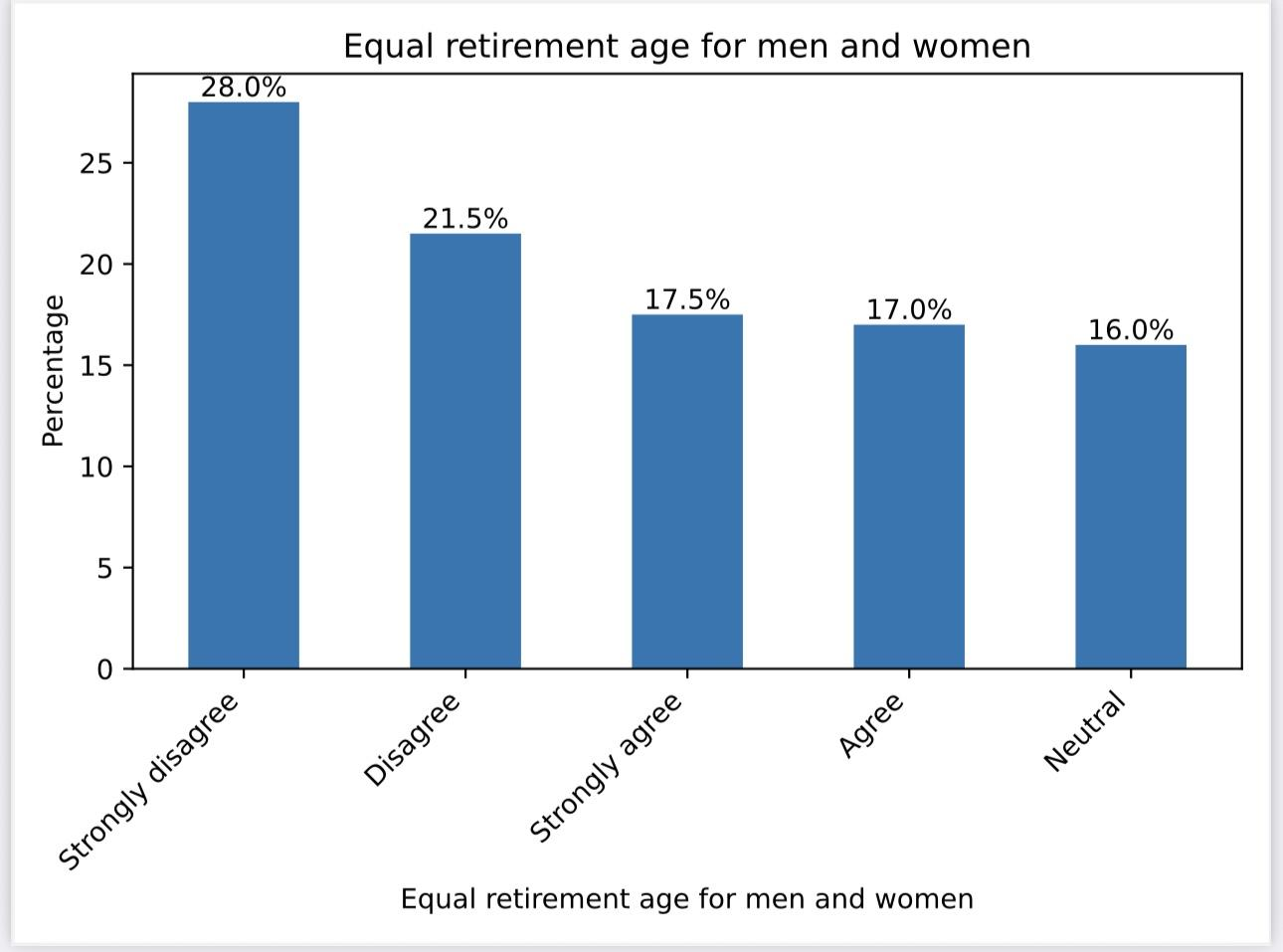
Figure 8: Views on an equal retirement age for men and women (per cent)
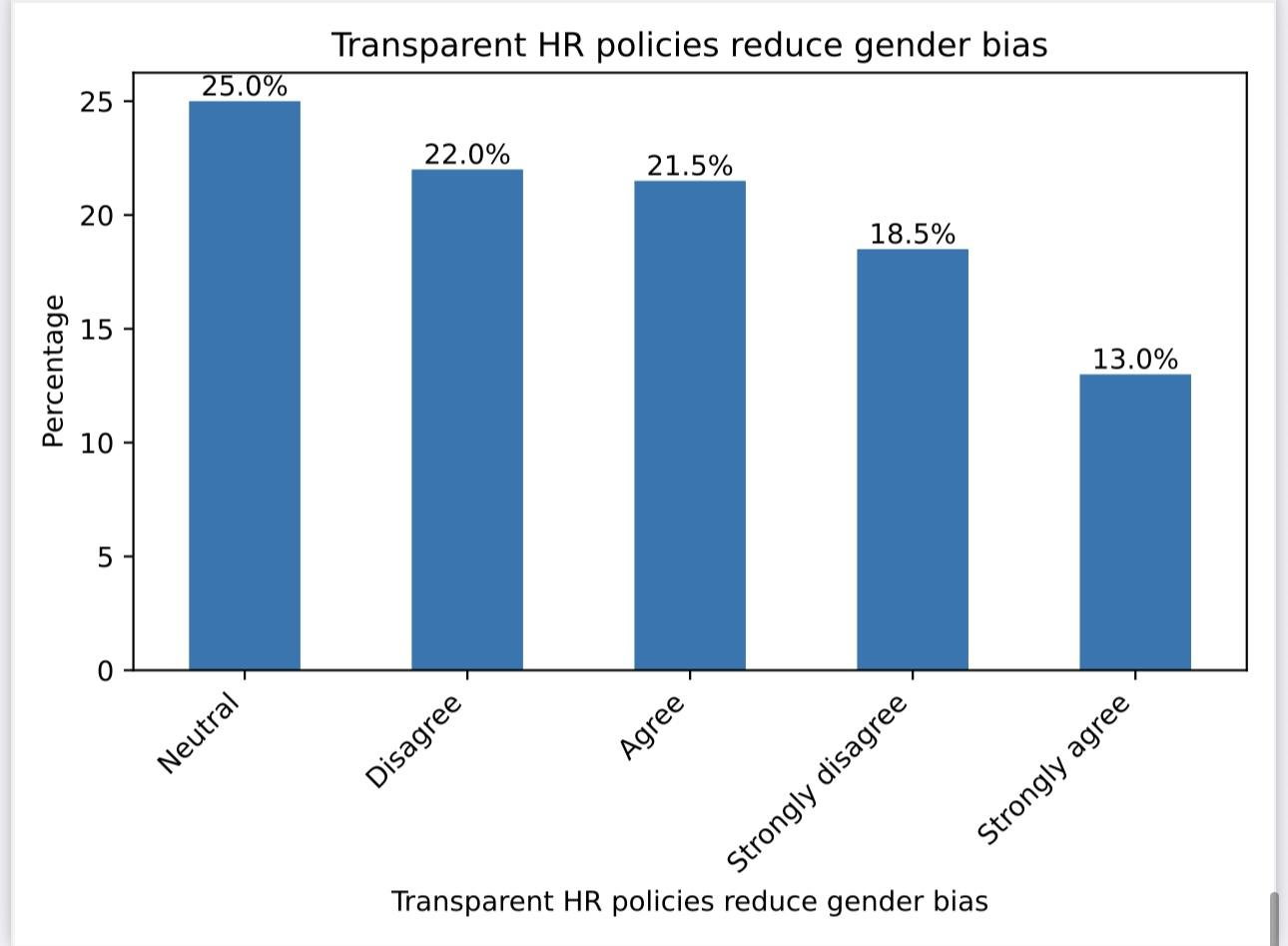
Figure 9: Opinion that transparent HR policies reduce gender bias (per cent)
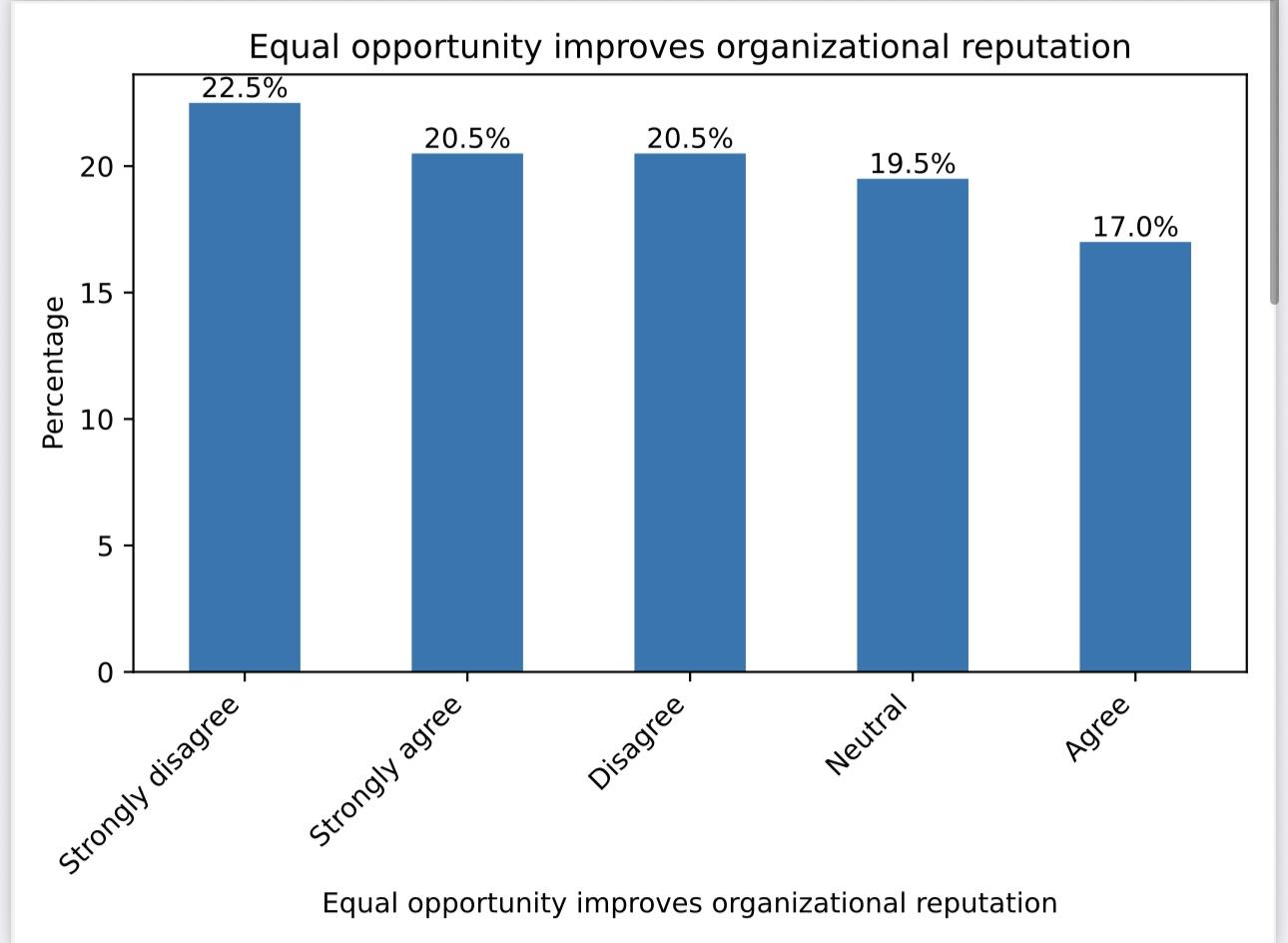
Figure 10: Perception that equal opportunity improves organizational reputation (per cent)
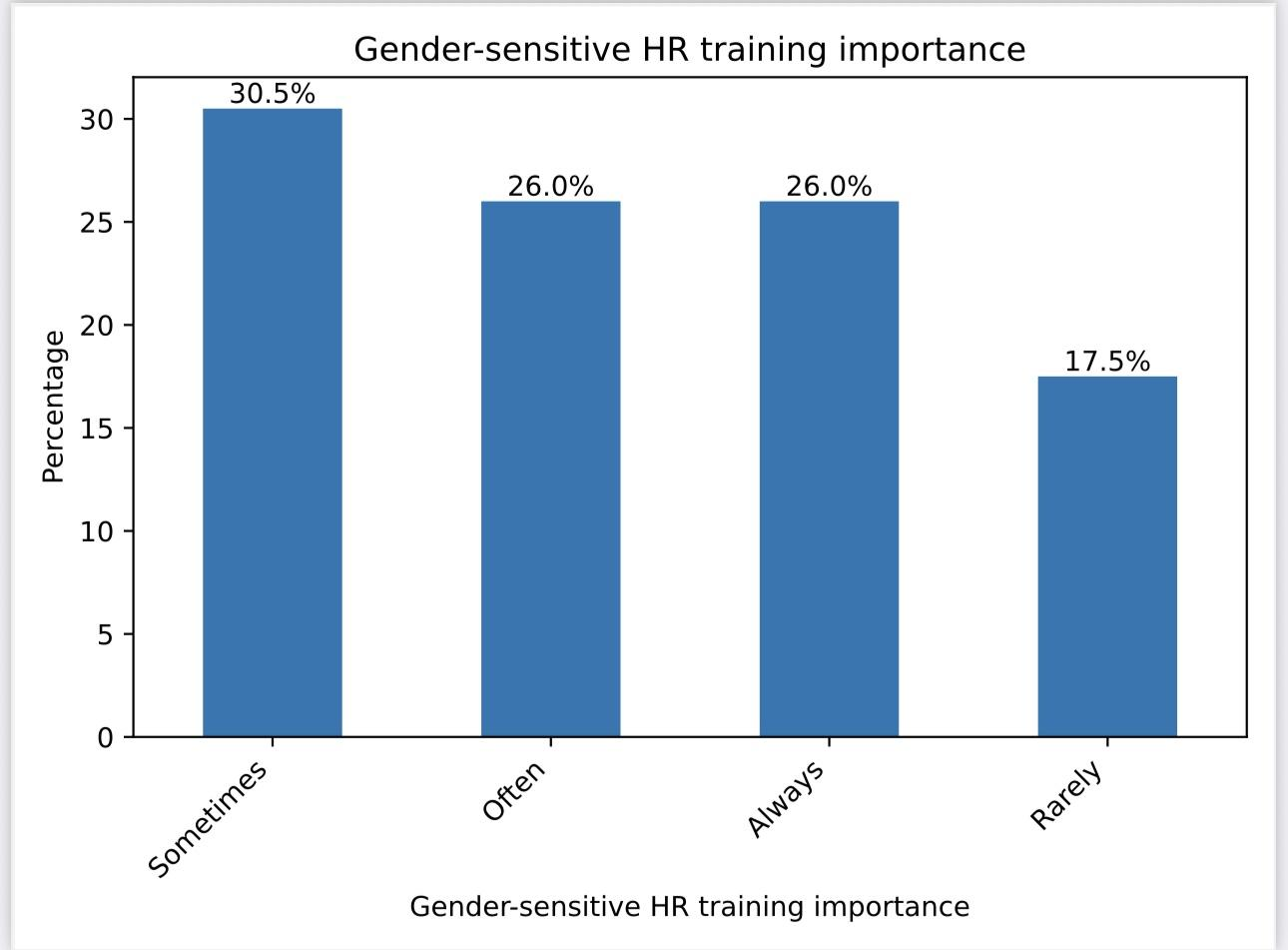
Figure 11: Importance of gender-sensitive HR training (per cent)
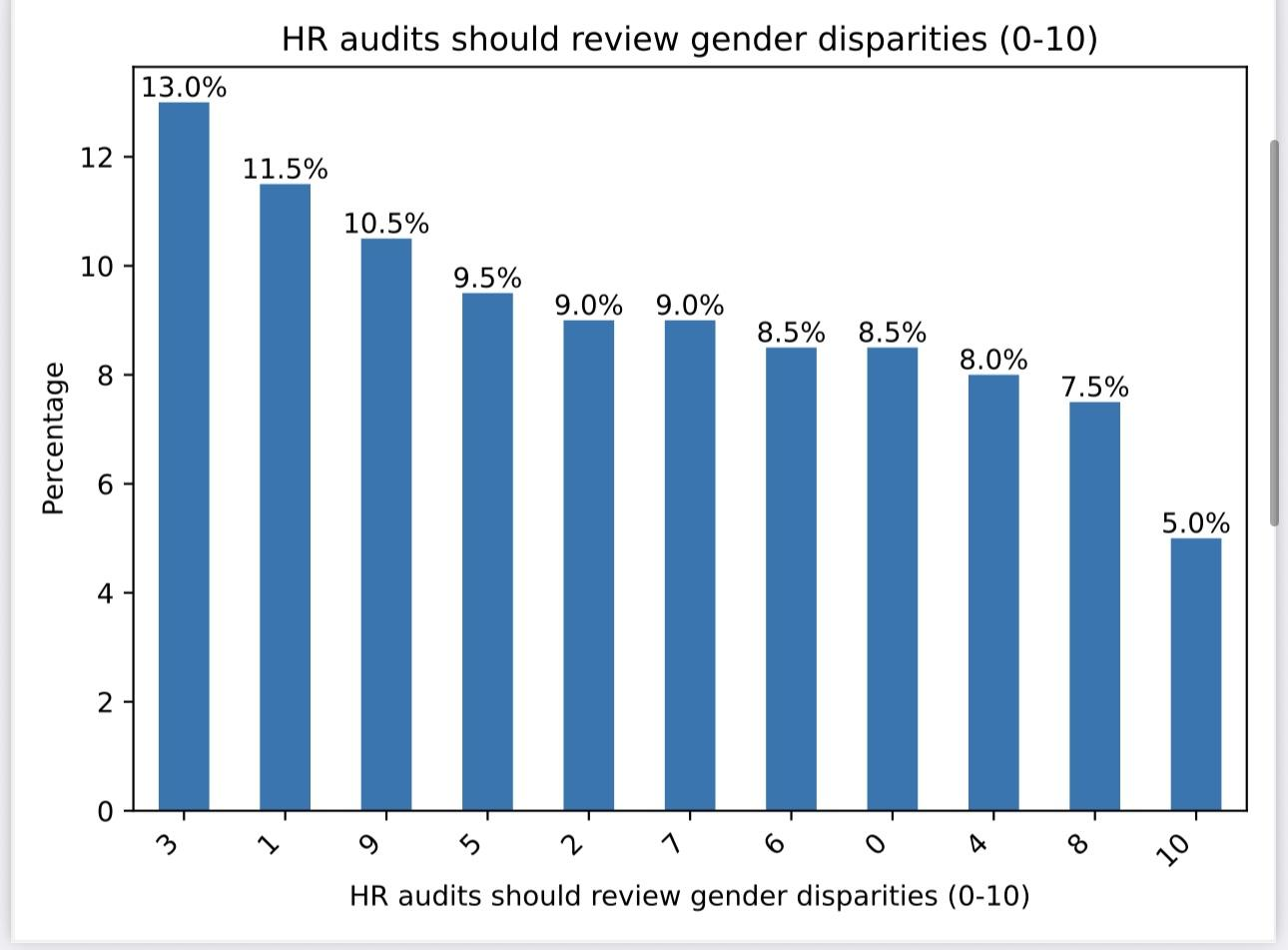
Figure 12: Responses on whether HR audits should review gender disparities (0–10 scale, per cent)
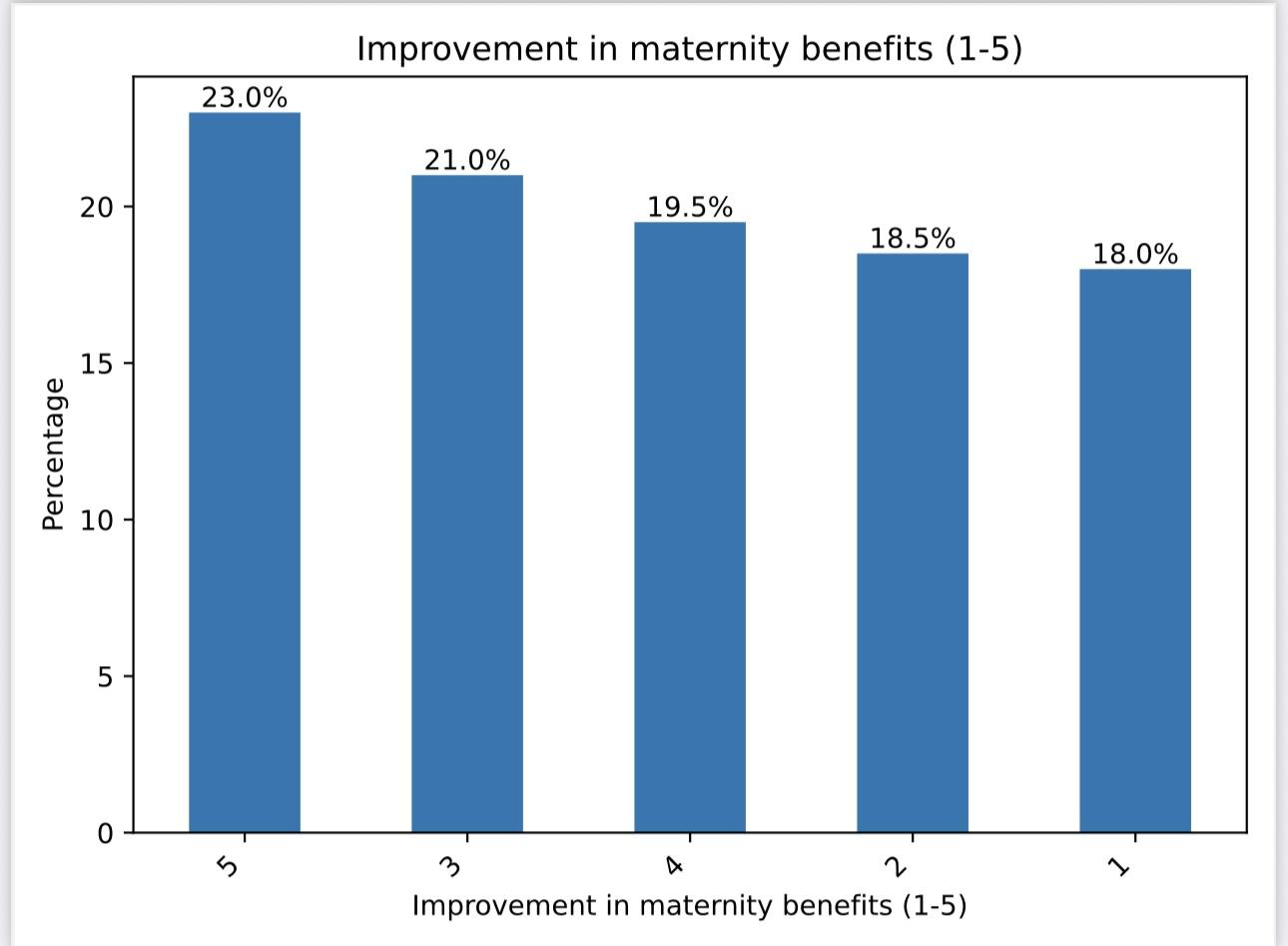
Figure 13: Responses on improvement in maternity benefits (1–5 scale, per cent)
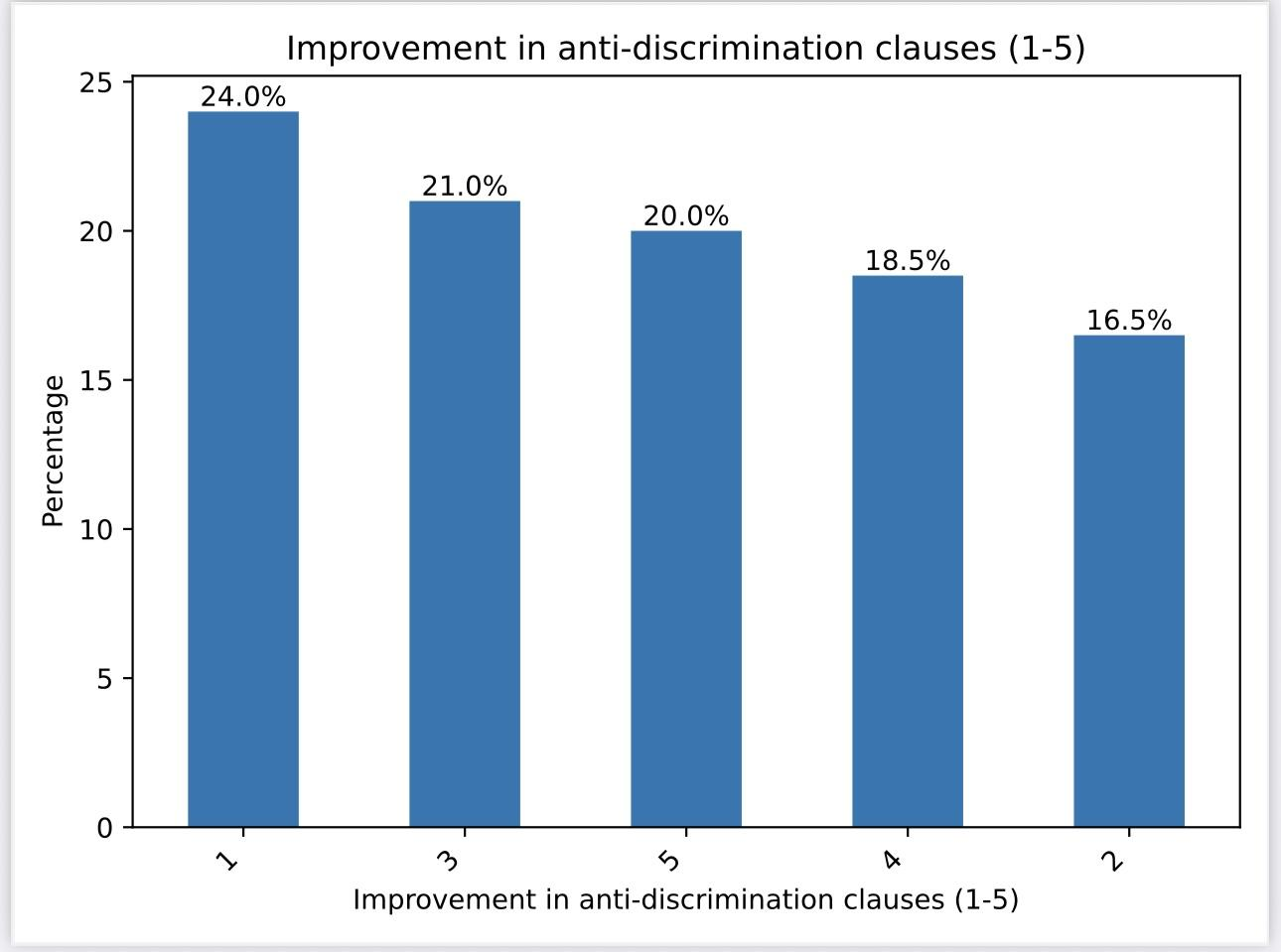
Figure 14: Responses on improvement in anti-discrimination clauses (1–5 scale, per cent)
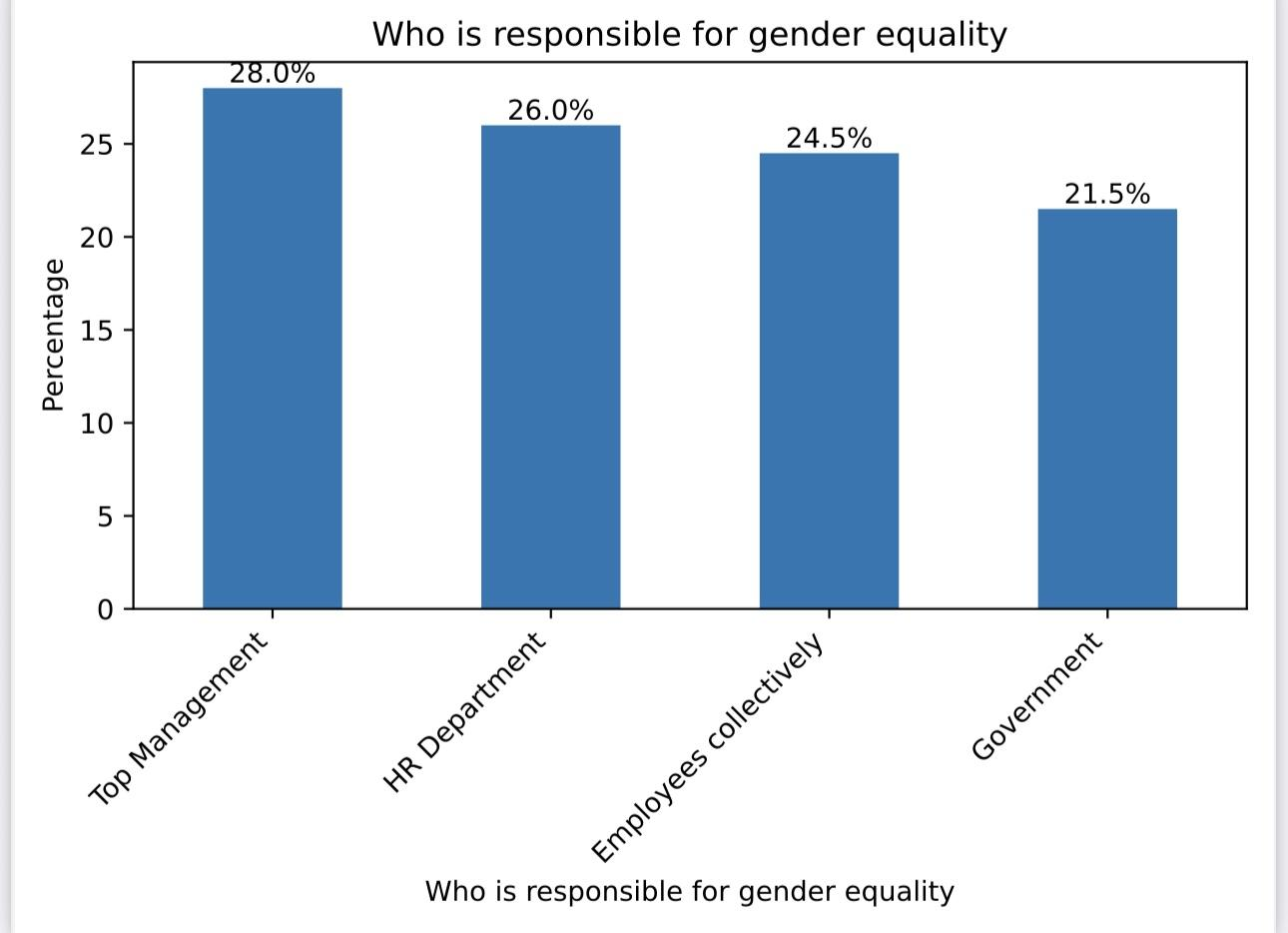
Figure 15: Opinion on who is responsible for gender equality (per cent)
Results
Figure 1: The data show that 26.5% of respondents are aware of the case, while 25.5% are slightly aware and 25.0% are moderately aware. A smaller proportion, 23.0%, are fully aware, indicating that awareness is fairly evenly distributed but that full awareness is comparatively lower.
Figure 2: The largest group of respondents, 23.0%, is neutral on whether the judgment strengthened gender equality, followed by 22.0% who strongly agree. Meanwhile, 19.5% disagree, 19.0% agree and 16.5% strongly disagree, showing a slight inclination toward agreement (41.0% agree or strongly agree, against 36.0% who disagree or strongly disagree).
Figure 3: The results indicate that 24.0% strongly disagree that such rules were discriminatory, while 22.5% agree that they were. Additionally, 19.0% disagree, 18.0% remain neutral and 16.5% strongly agree. Perceptions are therefore mixed, with slightly more respondents disagreeing (43.0%) than agreeing (39.0%) that the rules were discriminatory.
Figure 4: The largest share of respondents, 31.0%, associate the judgment with weaker employee rights, followed by 28.0% who associate it with shorter service tenure. Meanwhile, 20.5% feel that it reduces maternity benefits and another 20.5% believe that it leads to stronger anti-discrimination policies, indicating varied interpretations of its HR impact.
Figure 5: The responses show that 34.0% do not believe that Article 14 principles were reinforced, while an equal 34.0% believe that they were. The remaining 32.0% are uncertain (maybe), highlighting divided opinion.
Figure 6: The data indicate that 35.0% do not believe that awareness has increased, while 32.5% say maybe and another 32.5% say yes. This suggests a slight negative tilt and considerable uncertainty.
Figure 7: The results show that 23.0% disagree, while 22.5% agree and 19.0% strongly agree. Additionally, 18.0% strongly disagree and 17.5% remain neutral, reflecting an evenly balanced view (41.5% agree or strongly agree, against 41.0% who disagree or strongly disagree).
Figure 8: The largest group, 28.0%, strongly disagree with an equal retirement age for men and women, and a further 21.5% disagree. By contrast, 17.5% strongly agree, 17.0% agree and 16.0% remain neutral, so that nearly half of the respondents (49.5%) oppose equalisation, against 34.5% who support it.
Figure 9: The findings reveal that 25.0% are neutral, while 22.0% disagree and 21.5% agree. Additionally, 18.5% strongly disagree and only 13.0% strongly agree, suggesting moderate scepticism.
Figure 10: The data show that 22.5% strongly disagree, while 20.5% strongly agree and another 20.5% disagree. Meanwhile, 19.5% remain neutral and 17.0% agree, indicating divided perceptions.
Figure 11: The largest share, 30.5%, consider such training sometimes important, while 26.0% say always and another 26.0% say often. Only 17.5% believe that it is rarely important, showing broad overall support.
Figure 12: The responses are widely spread across the 0 to 10 scale. The most frequent rating is 3 (13.0%), followed by 1 (11.5%), 9 (10.5%) and 5 (9.5%); each of the remaining ratings drew between 7.5% and 9.0%, except the highest rating, 10, which drew 5.0%. Half of the respondents (50.0%) gave a rating of 4 or below, so the data show no clear consensus in favour of HR audits.
Figure 13: The results show that 23.0% rated improvement at level 5, while 21.0% rated it 3. Additionally, 19.5% rated it 4, 18.5% rated it 2 and 18.0% rated it 1, indicating a moderate perception of improvement.
Figure 14: The largest share, 24.0%, rated improvement at level 1, followed by 21.0% at level 3 and 20.0% at level 5. Meanwhile, 18.5% rated it 4 and 16.5% rated it 2, showing a mixed but slightly lower perception of improvement.
Figure 15: The findings reveal that 28.0% believe top management is responsible, while 26.0% attribute responsibility to HR departments. Additionally, 24.5% think employees collectively are responsible and 21.5% assign it to the government.
Discussion
Figure 1: The findings indicate that awareness of the case is moderately distributed among respondents, with varying levels of understanding. This variation may be attributed to differences in educational background, exposure to legal developments and access to information. The relatively low level of complete awareness suggests that legal judgments, despite their significance, do not always reach the broader public effectively.
Figure 2: The responses reflect a slightly positive perception of the judgment’s role in promoting gender equality. This may be because the case addressed discriminatory practices and highlighted constitutional values. However, the presence of neutral and opposing views suggests that some respondents may either lack clarity about the judgment’s impact or perceive its practical implementation as limited.
Figure 3: The results show mixed opinions regarding the discriminatory nature of such service rules. While many recognise these rules as unfair, others may perceive them as administrative or policy-driven decisions. This division could stem from societal attitudes toward gender roles and a lack of awareness about equality principles in employment law.
Figure 4: The varied responses indicate that the long-term impact of the judgment on HR policies is interpreted differently. About one in five respondents believe that it promotes stronger anti-discrimination frameworks, while a larger share associate it with potential drawbacks such as weaker employee rights, shorter service tenure or reduced benefits. These differences may arise from uncertainty about how organizations implement legal changes in practice.
Figure 5: The findings reveal a divided opinion on whether the judgment reinforced constitutional equality. This may be due to varying levels of understanding of Article 14 and its application. While some respondents clearly associate the judgment with equality before the law, others may not fully connect judicial decisions with constitutional principles.
Figure 6: The results do not show a clear increase in awareness of workplace discrimination, and uncertainty remains significant. This could be because legal decisions alone may not be sufficient to create widespread awareness unless they are supported by media coverage, institutional efforts and public discourse.
Figure 7: The responses reflect a general acknowledgement of the importance of anti-discrimination policies, although opinions are not strongly unified. This may indicate that while the principle of equality is widely accepted, its enforcement in workplace policies is still evolving and may face resistance due to organizational practices or cultural factors.
Figure 8: The findings show that nearly half of the respondents oppose an equal retirement age for men and women, although about a third support it. This may be influenced by traditional perceptions of gender roles and differences in employment patterns.
Figure 9: The mixed responses indicate that while transparency is recognised as important, its effectiveness in reducing bias is not universally accepted. This could be because transparency alone may not address deeper structural or cultural biases within organizations.
Figure 10: The divided opinion suggests that respondents are not entirely convinced of a direct link between equal opportunity and organizational reputation. This may be due to limited awareness of how diversity and inclusion contribute to long-term institutional credibility and performance.
Figure 11: The findings support the importance of gender-sensitive training in organizations. This reflects a growing recognition that awareness and education are essential tools for addressing discrimination and fostering inclusive workplaces.
Figure 12: The wide distribution of responses suggests varying levels of support for HR audits. While some recognise their importance in identifying disparities, others may be uncertain about their effectiveness or practical implementation. This variation highlights the need for clearer communication about the role of audits in promoting equality.
Figure 13: The responses indicate a moderate perception of improvement in maternity benefits. This may reflect incremental policy changes rather than substantial reforms. It also suggests that respondents may not have directly experienced or observed significant improvements.
Figure 14: The findings show mixed perceptions of improvements in anti-discrimination provisions. This could be due to inconsistencies in policy implementation across organizations or limited awareness of recent legal developments in this area.
Figure 15: The results suggest that responsibility for gender equality is perceived as shared among various stakeholders, including management, HR departments, employees and the government. This indicates an understanding that achieving equality requires collective effort rather than reliance on a single authority.
Limitations
One of the major limitations of the study is the scope of analysis. There is a significant constraint in that the study is largely confined to the examination of a single landmark case, Air India v. Nergesh Meerza (1981). The time available for the study was limited. The study relies primarily on doctrinal and secondary sources, and the absence of extensive empirical data restricts a comprehensive understanding of how the principles laid down in the judgment are implemented in real-world HR practices. The sample from which interpretative insights are drawn is limited and cannot be used to generalise about the practices of all public sector organizations across the country. The study is also limited to an analytical perspective on public sector employment policies in India only.
Suggestions
A meaningful approach to improving gender equality in employment policies within public sector organizations must simultaneously address legal gaps, institutional inefficiencies and implementation challenges. First, public sector organizations should ensure strict alignment of their employment policies with constitutional principles and judicial precedents, particularly the ruling in Air India v. Nergesh Meerza (1981), by eliminating discriminatory provisions based on gender, marital status or pregnancy. Second, mandatory and continuous gender-sensitisation training programmes must be introduced for HR personnel and administrative authorities, focusing on equality, non-discrimination and inclusive workplace practices. Third, transparent and standardised recruitment, promotion and performance appraisal systems should be established to prevent arbitrary or biased decision-making and to ensure equal opportunities for all employees. Fourth, dedicated grievance redressal mechanisms should be strengthened within organizations to address complaints of gender discrimination effectively, ensuring confidentiality, fairness and timely resolution. Fifth, policy frameworks must incorporate work-life balance measures such as maternity benefits, paternity leave, flexible working conditions and childcare support systems to promote substantive equality in the workplace. Finally, regular monitoring, audits and accountability mechanisms should be institutionalised to evaluate the effectiveness of gender equality policies and to ensure their proper implementation across public sector organizations.
Conclusion
This study set out to examine gender equality in employment policies through an analysis of Air India v. Nergesh Meerza (1981), by evaluating the nature of discriminatory service conditions, the role of judicial intervention and the judgment’s impact on HR practices in public sector organizations. The central objectives of the study, namely to assess discriminatory employment policies, to evaluate the judicial response to gender inequality, and to analyse the impact of the judgment on HR practices, have been addressed through the findings. The findings reveal that while the judgment marked a significant step towards eliminating gender-based discrimination by invalidating arbitrary service conditions imposed on women employees, its implementation in HR practices remains inconsistent across public sector organizations. There is a gap between constitutional guarantees of equality and their actual application in workplace policies, with institutional bias, lack of awareness and inadequate enforcement mechanisms acting as major barriers. On the basis of these findings, it is suggested that public sector organizations must strengthen policy implementation, enhance training and awareness, and establish robust accountability frameworks to ensure gender equality in employment practices. Future research should draw on more extensive empirical data, include the perspectives of both employees and HR professionals, and undertake comparative analysis across sectors to better understand the effectiveness of gender equality measures. In conclusion, while judicial pronouncements such as Air India v. Nergesh Meerza (1981) have laid a strong foundation for gender equality, achieving real and substantive equality in public sector employment requires continuous institutional effort, effective policy enforcement and sustained commitment to inclusive practices.
*****
Footnotes
1. Air India v. Nergesh Meerza, (1981) 4 SCC 335, AIR 1981 SC 1829 (India) (the respondent’s name is spelt “Nergesh” in the official reports) (holding, on Aug. 28, 1981, that the provision of Regulation 46(1)(c) of the Air India Employees’ Service Regulations terminating an air hostess’s service on her first pregnancy was arbitrary and void under Article 14, and that the Managing Director’s unguided discretion under Regulation 47 to extend service was invalid as excessive delegation; upholding the bar on marriage within the first four years of service and the retirement age of 35; and holding that the conditions did not discriminate on the ground of sex alone within Articles 15(1) and 16(2)).
2. India Const. arts. 14, 15, 16.
3. The Equal Remuneration Act, No. 25 of 1976, India Code (1976).
4. The Code on Wages, No. 29 of 2019, India Code (2019), § 3 (prohibiting discrimination on the ground of gender in wages and recruitment), § 69 (repealing, inter alia, the Equal Remuneration Act, 1976); Ministry of Labour and Employment, Notification S.O. 5322(E) (Nov. 21, 2025) (bringing the remaining provisions of the Code into force).
5. The Maternity Benefit Act, No. 53 of 1961, India Code (1961), amended by The Maternity Benefit (Amendment) Act, No. 6 of 2017, India Code (2017).
6. The Code on Social Security, No. 36 of 2020, India Code (2020), ch. VI (maternity benefit), § 164 (repealing, inter alia, the Maternity Benefit Act, 1961); Ministry of Labour and Employment, Notification S.O. 5319(E) (Nov. 21, 2025).
7. The Sexual Harassment of Women at Workplace (Prevention, Prohibition and Redressal) Act, No. 14 of 2013, India Code (2013).
8. Nergesh Meerza, (1981) 4 SCC 335 (striking down the termination of service on first pregnancy but upholding the bar on marriage within the first four years of service).
9. See, e.g., Vishaka v. State of Rajasthan, (1997) 6 SCC 241, AIR 1997 SC 3011 (India) (laying down binding guidelines against sexual harassment at the workplace, drawn from Articles 14, 15, 19(1)(g) and 21, pending legislation); Apparel Export Promotion Council v. A.K. Chopra, (1999) 1 SCC 759, AIR 1999 SC 625 (India) (applying Vishaka and restoring the removal from service of a superior officer who had sexually harassed a subordinate employee).
10. See Alice H. Eagly, Sex Differences in Social Behavior: A Social-Role Interpretation (1987); Madeline E. Heilman, Description and Prescription: How Gender Stereotypes Prevent Women’s Ascent Up the Organizational Ladder, 57 J. Soc. Issues 657 (2001), https://doi.org/10.1111/0022-4537.00234; Monica Biernat & Diane Kobrynowicz, Gender- and Race-Based Standards of Competence: Lower Minimum Standards but Higher Ability Standards for Devalued Groups, 72 J. Personality & Soc. Psych. 544 (1997), https://doi.org/10.1037/0022-3514.72.3.544.
11. See Joan Acker, Hierarchies, Jobs, Bodies: A Theory of Gendered Organizations, 4 Gender & Soc’y 139 (1990), https://doi.org/10.1177/089124390004002002; Rosabeth Moss Kanter, Men and Women of the Corporation (1977).
12. See Int’l Labour Org., A Quantum Leap for Gender Equality: For a Better Future of Work for All (2019), https://www.ilo.org/publications/major-publications/quantum-leap-gender-equality-better-future-work-all.
13. The Sexual Harassment of Women at Workplace (Prevention, Prohibition and Redressal) Act, supra note 7, § 4.
14. See generally Org. for Econ. Coop. & Dev., The Pursuit of Gender Equality: An Uphill Battle (2017), https://doi.org/10.1787/9789264281318-en.
15. Martha C. Nussbaum, Women and Human Development: The Capabilities Approach (2000).
16. Amartya Sen, Development as Freedom (1999).
17. World Bank, Women, Business and the Law 2020 (2020), https://doi.org/10.1596/978-1-4648-1532-4.
18. Nergesh Meerza, (1981) 4 SCC 335.