

Introduction
A. Background
International commercial arbitration has emerged as one of the most popular forms of dispute resolution for cross-border commercial disputes, owing to its flexibility, neutrality, confidentiality and the international enforceability of its decisions.1 Businesses prefer dispute resolution processes that are faster, cheaper and more efficient, and international commercial arbitration allows them to exert greater control over the process and to rely on expert adjudicators and procedures conducted in a neutral and independent manner.2
In the meantime, legal practice has been transformed by digital technology. Technology has revolutionised legal processes, turning case management, legal research, document review and communication between parties into a technology-driven experience.3 Arbitral institutions around the world have emphasised and accelerated the use of digital technologies as a means of supporting the administration of justice in an efficient and cost-effective way, particularly during the COVID-19 pandemic.4 The adoption of technology in arbitral proceedings has increased steadily, and many arbitral institutions have adopted electronic evidence, virtual hearings, cloud-based document management and online dispute resolution platforms, which proved effective for the administration of justice during the pandemic.5
B. Emergence of artificial intelligence in legal systems
Artificial intelligence has become a significant force in the contemporary legal landscape. The use of artificial intelligence, with a focus on machine learning, natural language processing and predictive analytics, is growing in the automation of repetitive legal tasks and the improvement of decision-making processes. In international commercial arbitration, artificial intelligence tools can assist in simplifying the arbitral process, making it more efficient and aiding arbitrators in handling intricate cases.6 These developments are accompanied by a growing debate on transparency, accountability, bias and procedural fairness in the use of artificial intelligence.7
C. Research problem
Artificial intelligence has increasingly come into play in the legal profession, yet it remains poorly regulated in the context of international commercial arbitration and continues to be a subject of debate. There are concerns about algorithmic bias, confidentiality, due process rights and the scope for the application of automated systems in arbitral decision-making. There are no universal international standards to regulate the use of artificial intelligence in arbitration, and it remains unclear how it can be used in a legal and ethical manner.
D. Research questions
This study addresses the following research questions. What are recent examples of the use of artificial intelligence in international commercial arbitration? What role can artificial intelligence play in enhancing the efficiency and effectiveness of arbitration? What are the legal and ethical issues raised by the use of artificial intelligence in arbitration? What are the opportunities for regulation to encourage and safeguard the responsible use of artificial intelligence in international arbitration?
E. Objectives of the study
The aims of this research are to explore the use of artificial intelligence in international commercial arbitration; to examine the possibilities and value of technologies driven by artificial intelligence; to identify the legal, ethical and procedural issues that arise from its use; and to provide recommendations on the responsible use of artificial intelligence in arbitration.
F. Research methodology
This research adopts a doctrinal method, which systematically examines the principles contained in legislation, arbitration rules, international instruments, judicial decisions and scholarly literature. A comparative legal approach is used to analyse the regulatory solutions of different jurisdictions and arbitral institutions on the governance of artificial intelligence. The sources relied upon are principally secondary: books, peer-reviewed journal articles, institutional reports, international conventions and policy documents, used to analyse critically the opportunities and challenges of integrating artificial intelligence into international commercial arbitration.8
Understanding artificial intelligence and international commercial arbitration
A. Meaning and scope of artificial intelligence
Artificial intelligence has advanced considerably over the past decade and is now making its way into various sectors, including healthcare, finance, education and law. It has numerous applications in the legal field, such as legal research, information filtering, the identification of legal trends and decision-making.9 While automation is a key aspect of artificial intelligence, it also extends to advanced analytical features that can enhance efficiency and accuracy in legal proceedings.
B. Types of artificial intelligence relevant to legal practice
Several forms of artificial intelligence are relevant to the legal profession and to international commercial arbitration. Machine learning enables systems to identify patterns in large volumes of information and to make predictions from past information. Within arbitration, machine learning can be employed to evaluate historical decisions, predict the outcomes of future cases and identify trends in arbitral processes.10
Natural language processing is the field dedicated to enabling computer systems to understand, analyse and generate human language. Tools built on natural language processing can be applied in various ways in the legal field, including legal research, contract review, document classification and multilingual translation, which can significantly save time when working with complex legal documents.11
The most recent development in this evolution is generative artificial intelligence. Technologies such as large language models can generate legal summaries, draft documents, analyse contracts and assist legal professionals in preparing arguments. While generative artificial intelligence offers many benefits, it also raises concerns about accuracy, transparency and reliability in the legal field.12
C. Nature and characteristics of international commercial arbitration
International commercial arbitration is a private dispute resolution system in which the parties to a commercial dispute agree to settle it before one or more arbitrators rather than before a national court. It is valued, particularly in cross-border commercial disputes, because the parties obtain a neutral forum, procedural flexibility and the possibility of enforcing the arbitral award in courts across jurisdictions.13 There is no fixed template, and arbitration is considerably more flexible than litigation, because the parties are able to shape the proceedings according to the needs of the case.14
D. Fundamental principles of arbitration
International commercial arbitration rests on several fundamental principles. Party autonomy allows the parties to select the applicable law, the procedural rules, the seat of arbitration and the arbitrators. Neutrality ensures a fair and impartial environment for decision-making. Confidentiality safeguards the sensitive information shared during proceedings, which is often commercially important. These values have established the reputation of arbitration as an effective, swift and economical means of resolving international business disputes and have facilitated the enforcement of arbitral awards in many countries through international instruments, including the New York Convention.15
Current use of artificial intelligence in international commercial arbitration
The use of artificial intelligence in commercial arbitration proceedings around the world has transformed many aspects of arbitration. Handling complex, multi-party, cross-border arbitrations involving voluminous documentation and data with efficiency and accuracy is increasingly feasible, and artificial intelligence technologies provide practical solutions. Although artificial intelligence cannot supplant the arbitrator, it can serve as a valuable tool that assists the legal profession at various stages of the arbitral process.16
A. Artificial-intelligence-assisted legal research
Legal research is one of the most notable applications of artificial intelligence in the legal industry. Traditional research requires a comprehensive examination of legislation, judicial decisions, arbitral awards, treaties and scholarly works.17 Artificial-intelligence-driven research platforms can rapidly sift through vast collections of legal documents and identify relevant cases and precedents in seconds, using machine learning and natural language processing to comprehend legal questions and deliver contextually appropriate answers. In international commercial arbitration, such tools can assist in researching precedents, identifying relevant legal principles and comparing legal frameworks across different jurisdictions, thereby enhancing the efficiency of the proceedings.18
B. Electronic discovery and document review
International arbitration often entails the submission of a wealth of documents, such as contracts, correspondence, financial records and technical reports. Reviewing this material manually is costly and time-consuming. Predictive coding and pattern recognition are two features of artificial-intelligence-based electronic discovery tools that can save significant time and improve the efficiency of document review.19 By leveraging these techniques, such tools can quickly identify, categorise, prioritise and locate relevant documents. As a result, artificial intelligence reduces the cost and duration of arbitration and lessens the scope for human error.20
C. Contract analysis and evidence management
In recent years, artificial intelligence technologies have increasingly been used for contract analysis and evidence management. With the help of advanced systems, clauses can be analysed, inconsistencies and unusual clauses identified, and compliance obligations assessed. Artificial intelligence can also assist with the organisation and management of evidence by segmenting documents, monitoring evidentiary submissions and establishing searchable databases, which is particularly useful in international commercial disputes where contracts are typically lengthy and highly technical.21 These functions help to prepare cases more efficiently and to provide easier access to relevant information at hearings.
D. Translation and multilingual assistance
Because commercial arbitration is conducted on an international basis, proceedings often involve multiple parties who speak different languages and come from varied cultural backgrounds. Artificial-intelligence-based translation software has become more sophisticated in supporting the translation of multiple languages. Legal-document translation services based on artificial intelligence reduce the time and cost associated with language barriers during proceedings without compromising the need for legal accuracy.22 Such translation can also help participants from different jurisdictions understand the content of a hearing or legal document, thereby increasing accessibility.
E. Case management and procedural administration
Arbitral institutions and practitioners are increasingly using artificial-intelligence-based processes for the administration and conduct of arbitral proceedings.23 Automated case management systems can facilitate the scheduling of hearings, the recording of deadlines, the preparation of procedural documents and communication with the parties, thereby streamlining the process and saving time. Workflow systems based on artificial intelligence also enhance transparency and enable smooth and timely arbitration, which is one of the principal goals of efficient dispute resolution.24
F. Predictive analytics and outcome forecasting
Predictive analytics is one of the most innovative applications of artificial intelligence in arbitration. Systems can draw insights from previous arbitral rulings, historical data, procedural trends and legal outcomes to predict the likelihood of a successful outcome, expected damages and settlement potential, which can help legal professionals and parties assess risks, structure their cases and explore settlement options. Although predictive analytics can support better decisions, such technologies must be used with care, given the variability of data quality, the demand for transparency and the distinctiveness of each dispute.25
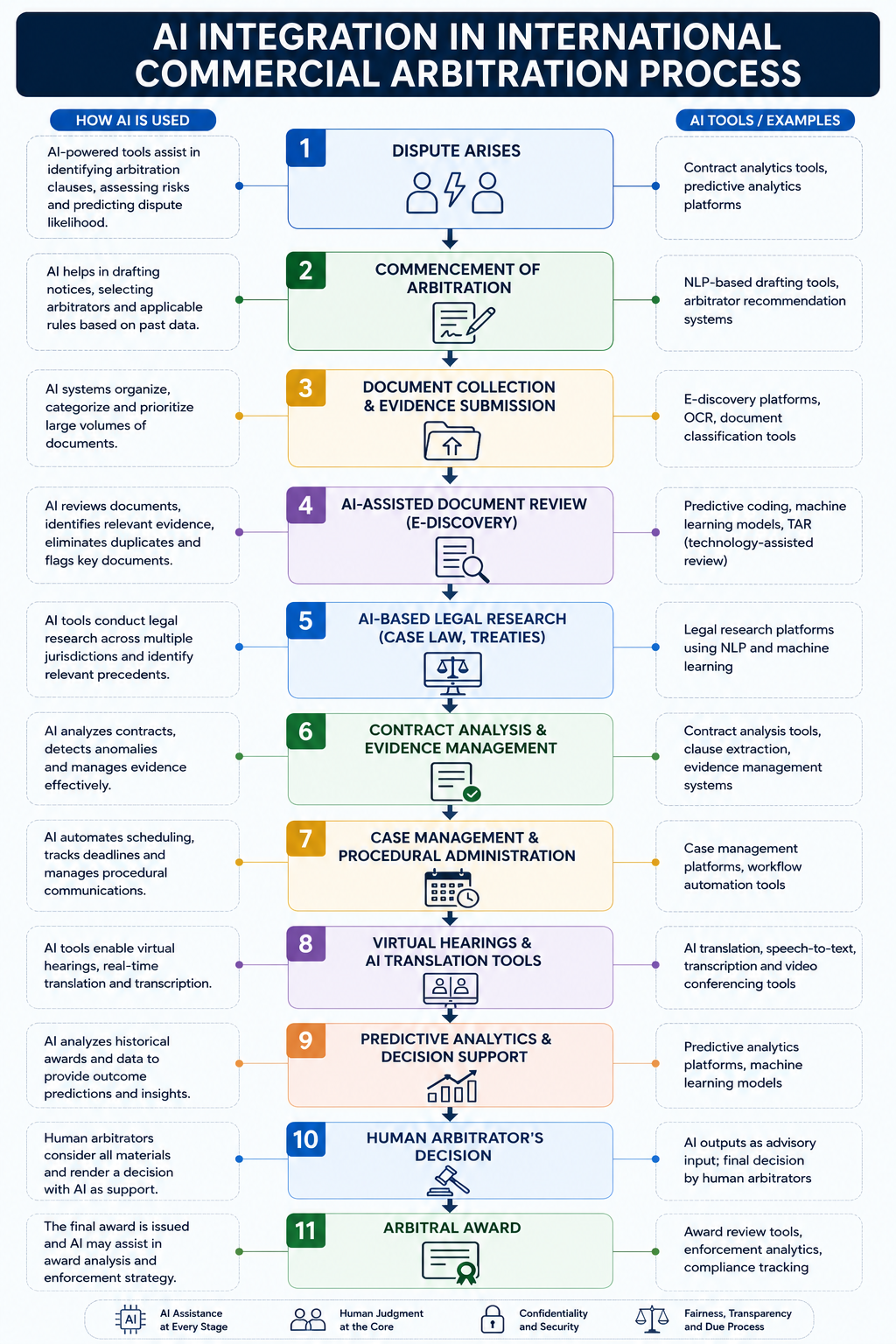
Figure 1: AI Integration in the International Commercial Arbitration Process
In general, the use of artificial intelligence in international commercial arbitration is becoming more prevalent, enhancing the efficiency of legal research, document review, contract analysis, translation services, case administration and decision-making. As the capabilities of artificial intelligence in arbitration continue to expand, it is important to weigh the advantages and disadvantages of deploying the technology and to consider how it might evolve.
Figure 1. Artificial intelligence integration in the international commercial arbitration process.
Table 1. Applications of artificial intelligence across different stages of arbitration.
| Stage of Arbitration | AI Application | Purpose |
|---|---|---|
| Pre-Arbitration | Contract Analysis | Identification of risk clauses and obligations |
| Case Preparation | Legal Research | Retrieval of precedents and legal authorities |
| Evidence Collection | E-Discovery | Document classification and review |
| Case Administration | Workflow Automation | Scheduling and deadline management |
| Hearings | Real-Time Translation | Multilingual communication support |
| Decision Support | Predictive Analytics | Risk assessment and outcome forecasting |
| Post-Award Stage | Data Analysis | Award review and enforcement strategy |
Opportunities presented by artificial intelligence in arbitration
In recent years, artificial intelligence has increasingly reshaped international commercial arbitration by improving the efficiency of the process, reducing costs, and simplifying and improving legal analysis and access to justice.26 With the rise of globalisation and the growing number of commercial disputes, arbitration is becoming more complex, and artificial intelligence provides innovative solutions that could enhance the efficiency of arbitral processes and help achieve the core goals of arbitration.
A. Enhanced efficiency and speed
Accelerating arbitral procedures is one of the major benefits of artificial intelligence in arbitration. The typical procedure relies heavily on the review of documents, legal research, the analysis of evidence and administrative coordination. An artificial intelligence tool can analyse large volumes of data and generate the required documents in a much shorter time frame than a human professional, saving time in the process.27 Automated systems can rapidly extract content from documents, retrieve legal authorities and compile case materials, allowing counsel and arbitrators to devote more attention to the substantive law in a case and less to administrative matters.
B. Reducing the cost of proceedings
A recognised disadvantage of international commercial arbitration is its expense, particularly in lengthy and document-heavy cases involving multiple parties. Artificial intelligence technologies can reduce cost by automating repetitive work, such as the preparation of case documents, legal research and the management of electronic discovery, and through automated contract-review tools that would otherwise require attorney time.28 As a result, arbitration can become a more cost-effective means of resolving disputes than litigation, producing savings in both legal and administrative costs.
C. Improved accuracy in legal research
Legal research is one of the crucial components of arbitration. Artificial intelligence can sift through vast databases of legal text to identify and extract statutes, judicial decisions, arbitral decisions and legal commentary relevant to the research at hand. Such platforms can find patterns and relationships among legal sources that may be difficult to discern through manual review.29 Artificial intelligence can also reduce the risk of overlooking important authorities, leading to more comprehensive and accurate legal research and, ultimately, to better-informed legal arguments and decision-making.
D. Better case management
Case management is crucial to timely and orderly arbitration. Case management platforms driven by artificial intelligence assist in scheduling hearings, tracking timelines, ensuring effective communication and managing documents, thereby supporting administrative efficiency and alleviating the workload of arbitral institutions and legal professionals.30 Automated workflow management also improves transparency by providing up-to-date information on how proceedings are progressing and what remains outstanding, making coordination easier.
E. Enhanced accessibility of arbitration
Artificial intelligence can help make arbitration more accessible to small and medium-sized enterprises that may lack the resources to pursue traditional forms of dispute resolution. It can assist in conducting research, preparing documents and providing procedural guidance, which can lighten the burden and reduce the cost of participating in arbitration.31 Greater access to international dispute resolution in turn contributes to the democratisation of legal services.
F. Data-driven decision support
Artificial intelligence systems can review a vast number of precedents, procedural trends and prior arbitral decisions and offer significant insights to arbitrators and legal practitioners. Such systems can provide analytical tools to evaluate legal risks, identify case strategies and assess settlement prospects, aiding informed choices throughout the arbitral process.32 These tools, however, are not a substitute for professional judgment but an aid to decision-making.
G. Support for online and remote arbitration
With the rise of online dispute resolution and remote hearings, the benefits of artificial intelligence technologies in arbitration have become even more apparent. Platforms based on artificial intelligence enable virtual hearings, the transcription of proceedings, simultaneous translation and digital evidence management, fostering greater flexibility and continuity in proceedings.33 During the COVID-19 pandemic, the ability to arrange remote arbitration demonstrated the value of technology-assisted dispute resolution and the potential for artificial intelligence to shape the future of international arbitration.
In sum, artificial intelligence offers a range of possibilities for enhancing the efficiency, affordability, accessibility and effectiveness of international commercial arbitration. These gains, however, must be secured under sound governance, with due attention to ensuring that technological innovation does not conflict with the principles of fairness and justice.
Table 2. Benefits and risks of artificial intelligence in arbitration.
| Benefits | Risks |
|---|---|
| Faster dispute resolution | Algorithmic bias |
| Reduced legal costs | Lack of explainability |
| Enhanced legal research | Data privacy concerns |
| Better document management | Cybersecurity threats |
| Improved case administration | Inaccurate AI outputs |
| Increased accessibility | Accountability issues |
| Support for remote hearings | Overdependence on technology |
| Data-driven decision support | Potential due process violations |
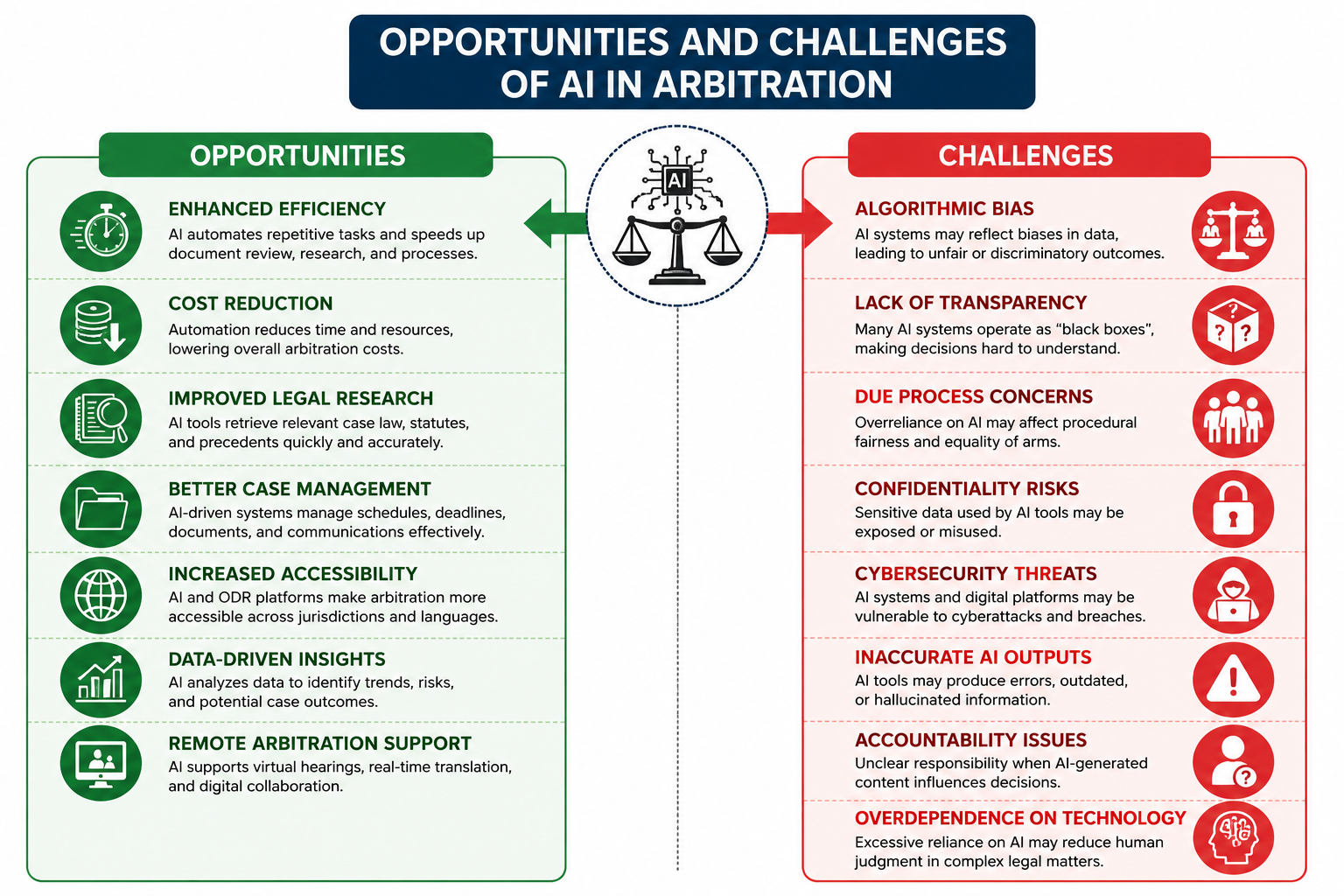
Figure 2: Opportunities and Challenges of AI in Arbitration
Figure 2. Opportunities and challenges of artificial intelligence in arbitration.
Legal and ethical challenges of artificial intelligence in international commercial arbitration
The use of artificial intelligence in international commercial arbitration has considerable potential to bring benefits, but it also poses difficult legal and ethical issues when incorporated into the process of legal decision-making. Its application in dispute resolution raises questions of fairness, transparency, accountability, privacy and the retention of human judgment.34
A. Algorithmic bias and discrimination
Algorithmic bias is a major and widely explored concern regarding artificial intelligence. The data used to train these systems may itself be biased, causing the system to treat individuals unfairly and to generate biased results during the arbitral process, including in the prioritisation of documents, the making of risk assessments and the performance of predictive analytics.35 Because many systems are built on intricate algorithms, it may be difficult to identify and rectify these biases.
B. Transparency and explainability concerns
Transparency is central to legal proceedings, as it enables the parties to comprehend the reasoning behind decisions. Many advanced artificial intelligence systems are difficult to interpret in this respect and are often described as black boxes, owing to the difficulty of understanding their reasoning. A lack of explainability can cause problems in processes where recommendations produced by artificial intelligence inform an arbitral decision, as it may affect the parties’ trust in the process and in the conclusions reached.36
C. Due process and procedural fairness
International commercial arbitration is founded on the principles of due process, equality of arms and the right to a fair hearing. These principles are violated where there is excessive reliance on analysis produced by artificial intelligence without giving the parties a reasonable opportunity to examine and challenge the process, the data used and the resulting analysis. Such requirements can be difficult to satisfy where the relevant tools are opaque.37
D. Confidentiality and data-protection issues
Confidentiality is a hallmark of arbitration. Artificial intelligence systems often operate on large volumes of data, including sensitive legal documents, confidential commercial information and trade secrets, which can create risks of unauthorised access, data breaches and non-compliance with data-protection laws such as the General Data Protection Regulation.38 These risks are heightened where several jurisdictions are involved in cross-border disputes.
E. Cybersecurity risks
With the increasing digitalisation of the arbitral process, cybersecurity has gained importance. A cybersecurity breach may result in the loss of confidential information, disruption of the process and erosion of confidence in the proceedings.39 It is therefore essential to have strong cybersecurity measures in place when adopting artificial intelligence technologies in arbitration.
F. Reliability and accuracy of artificial intelligence outputs
Although artificial intelligence systems can process large quantities of information quickly, they are not infallible. The errors and factual or legal inaccuracies generated by generative systems, often referred to as hallucinations, can be detrimental to legal research, evidentiary analysis and advocacy.40 It is therefore important that qualified legal professionals review and verify information generated by artificial intelligence before it is used in arbitral proceedings.
G. Accountability and liability
The rise of artificial intelligence raises a significant question about what is to be done in the event of error. Where software provides inaccurate recommendations that affect the outcome of an arbitration or the legal advice given, the software developer, the arbitral institution, the attorneys or the users of the software may each potentially be liable.41 The legal frameworks governing accountability for artificial intelligence remain unclear, creating uncertainty and potentially hindering its adoption.
H. Risk of replacing human judgment
A fundamental question is whether artificial intelligence might one day take the place of human judgment in dispute resolution. Legal reasoning, the assessment of credibility, considerations of equity, cultural context and commercial realities are aspects where artificial intelligence systems may not grasp the relevant subtleties and where human judgment and expertise remain crucial. Excessive automation of the process could therefore diminish the human element of arbitral justice and compromise the legitimacy of arbitral decisions.42
In sum, while artificial intelligence offers substantial benefits in international commercial arbitration, legal and ethical concerns persist, and suitable safeguards must be implemented. Transparency, accountability, fairness and human control of arbitral proceedings remain important to the integrity and legitimacy of the process.
Comparative regulatory approaches and institutional responses
International arbitration is becoming increasingly technologically sophisticated, and the growing use of artificial intelligence in arbitral proceedings has attracted the interest of regulators, arbitral institutions and national governments in creating rules and guidelines to navigate the legal and ethical landscape.43 There is as yet no comprehensive international regime governing the use of artificial intelligence in arbitration, but several organisations and jurisdictions are taking steps to provide guidance on transparency, accountability, data protection and procedural fairness.
A. The UNCITRAL perspective
The United Nations Commission on International Trade Law has long been a key player in the harmonisation of international arbitration. While it has not yet adopted a specific instrument on artificial intelligence in arbitration, the central principles of fairness, equality of treatment and procedural transparency, which are relevant to the use of artificial intelligence, are reflected in the UNCITRAL Model Law on International Commercial Arbitration and the UNCITRAL Notes on Organizing Arbitral Proceedings.44 The Commission’s broader work on digital trade and electronic commerce also lays the groundwork for future discussions on the governance of artificial intelligence in international dispute resolution.
B. Initiatives of the International Chamber of Commerce
The International Chamber of Commerce has promoted the responsible application of technology in arbitration. In its commission reports and technological projects, the Chamber has encouraged the use of artificial intelligence, electronic documents, virtual hearings and cybersecurity measures to improve the efficiency of the arbitral process, while emphasising the arbitrators’ control over decision-making. Its recent guidance also underscores the need for transparency and fair treatment in the use of advanced technologies.45
C. The approaches of the LCIA and SIAC
The London Court of International Arbitration and the Singapore International Arbitration Centre have both adopted a modern attitude towards technology. Neither institution has specific rules concerning the use of artificial intelligence, but both are open to technological innovation, as their rules permit electronic communication, virtual hearings and the use of digital case management systems.46 Singapore, in particular, has encouraged the development of online dispute resolution and digital arbitration platforms, and the Singapore International Arbitration Centre has been a strong proponent of these developments.
D. The European Union Artificial Intelligence Act
The Artificial Intelligence Act of the European Union is one of the most comprehensive pieces of legislation to regulate artificial intelligence technologies. It adopts a risk-based approach that classifies systems according to their potential impact on fundamental rights and public interests. Certain conditions apply to high-risk applications, which must satisfy requirements of transparency, accountability, data governance and human oversight.47 The Act contains no provisions specific to arbitration, although it may have an important effect on systems used in legal services and dispute resolution. Its focus on explainability and human oversight offers useful insights for the practice of arbitration using artificial intelligence.
E. The approach of the United States
In the United States, the regulation of artificial intelligence has been approached sector by sector rather than through comprehensive national legislation. Courts and legal institutions are becoming increasingly aware of the potential benefits and risks of legal support based on artificial intelligence, rather than proceeding through the establishment of a federal statute on artificial intelligence.48 The professional responsibility obligations that lawyers owe their clients do not end with the use of a tool based on artificial intelligence; competence, supervision and accountability remain unchanged when representing clients.
F. The approach of the United Kingdom
The United Kingdom Government has been developing a principles-based approach to the governance of artificial intelligence.49 It has opted for a flexible model, urging regulators to draw on existing laws and concepts, such as fairness, transparency, accountability and contestability, to regulate systems based on artificial intelligence. These principles help to ensure the fair and responsible use of artificial intelligence in arbitration, providing oversight and fairness.
G. The Indian perspective on artificial intelligence and arbitration
The regulatory framework of the Government of India on artificial intelligence is developing gradually, through policy initiatives and digital-governance frameworks. Although there is no specific legislation on artificial intelligence in India, government bodies such as NITI Aayog have issued strategic recommendations on its responsible use in the country.50 At the same time, India’s arbitration framework is evolving, including through legislative reforms aimed at improving efficiency, digitalisation and institutional arbitration. As the field continues to grow, future regulatory developments are likely to address concerns of privacy, accountability and procedural justice.
The comparative analysis as a whole reveals both differences in approach across jurisdictions and institutions and commonalities in the emphasis on transparency, human oversight, accountability and procedural fairness. These shared principles may ultimately form the basis for new international standards on the use of artificial intelligence in arbitration.
Table 3. Comparative analysis of regulatory frameworks for artificial intelligence.
| Jurisdiction/Institution | Regulatory Approach | Key Features |
|---|---|---|
| UNCITRAL | Principle-Based | Fairness, equality, transparency |
| ICC | Institutional Guidance | Technology adoption and procedural efficiency |
| LCIA | Procedural Modernization | Electronic communication and digital case management |
| SIAC | Technology-Friendly | Online dispute resolution initiatives |
| European Union | AI Act (Risk-Based) | Transparency, accountability, human oversight |
| United States | Sector-Specific Regulation | Agency guidance and professional responsibility |
| United Kingdom | Principles-Based Regulation | Innovation with regulatory flexibility |
| India | Policy-Oriented Approach | Responsible AI and digital governance initiatives |
The future of artificial intelligence in international commercial arbitration
Advances in artificial intelligence are likely to have a profound impact on international commercial arbitration. New technologies are increasingly used in varied ways for legal analysis, the management of procedures and dispute resolution.51 While artificial intelligence appears unlikely to take the place of arbitrators in the near future, it is expected to have a marked effect on arbitral practice.
A. Arbitrators assisted by artificial intelligence
In future arbitrations, decision-support systems based on artificial intelligence are likely to be used more widely. Such tools can assist arbitrators by summarising evidence, highlighting inconsistencies and suggesting procedural matters for consideration, which could enhance the speed and consistency of decision-making and allow arbitrators to devote more time to intricate legal and factual questions. The final decision, however, must rest with human arbitrators to ensure validity and accountability.52
B. Smart contracts and automated dispute resolution
As smart contracts become more widespread in international trade, the corresponding dispute resolution strategies must also evolve.53 Systems based on artificial intelligence could help to interpret the terms of agreements, detect breaches and streamline dispute resolution procedures.
C. Online dispute resolution platforms
Online dispute resolution is likely to grow in importance in international arbitration. Systems driven by artificial intelligence can streamline the procedural aspects of online dispute resolution, assist communication between the parties, enable access to real-time interpretation and handle electronic evidence. Such platforms offer numerous advantages in terms of access, speed and cost, particularly in cross-border disputes between parties in different jurisdictions.54
D. Human-in-the-loop arbitration models
Many scholars suggest that the human-in-the-loop model is the most appropriate framework for the integration of artificial intelligence in arbitration. In this model, arbitrators take the final decision on any substantive matter, while artificial intelligence performs advisory and analytical functions. Human supervision helps to preserve the interpretation of legal principles, the moral dimension and context. The approach is to harness the benefits of artificial intelligence without succumbing to the dangers of automation and algorithmic decision-making.
E. Prospects for fully automated arbitration
Although there is ongoing academic debate about the full automation of arbitration, many practical and ethical issues remain unresolved. Fully automated arbitration is unlikely to become widespread in the near future, as it would require a significant degree of legal interpretation, the assessment of witness credibility, commercial judgment and considerations of equity that cannot currently be achieved by an artificial intelligence system.55 Collaborative models that use artificial intelligence to augment human capabilities, rather than supplant them, are more likely to shape the future of arbitration.
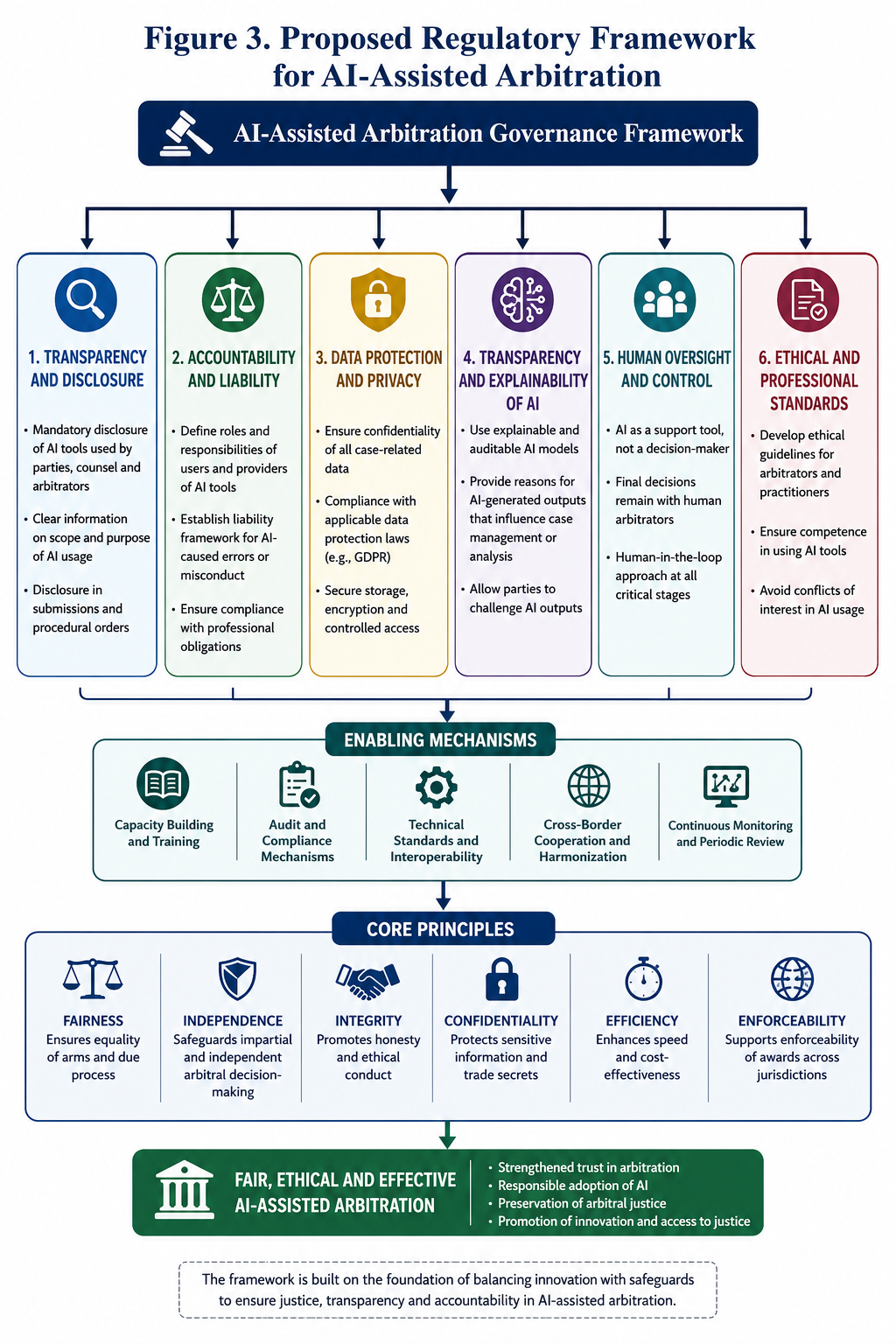
Figure 3: Proposed Regulatory Framework for AI-Assisted Arbitration
In sum, the use of artificial intelligence in international commercial arbitration can be transformative, but it is essential that it not proceed on a purely automated basis and that it be used responsibly. As artificial intelligence, blockchain technology and online dispute resolution platforms increasingly become part of the arbitral process, human intervention remains essential to the future of arbitral practice.
Figure 3. Proposed regulatory framework for arbitration assisted by artificial intelligence.
Table 4. Proposed governance principles for artificial intelligence in international arbitration.
| Principle | Objective | Expected Outcome |
|---|---|---|
| Transparency | Disclosure of AI usage | Increased trust and fairness |
| Explainability | Understanding AI outputs | Improved procedural legitimacy |
| Accountability | Allocation of responsibility | Legal certainty and compliance |
| Human Oversight | Retention of human control | Preservation of arbitral justice |
| Data Protection | Safeguarding sensitive information | Enhanced confidentiality |
| Cybersecurity | Protection against digital threats | Secure arbitration environment |
| Non-Discrimination | Prevention of algorithmic bias | Equal treatment of parties |
| Ethical Compliance | Responsible use of AI | Sustainable adoption of technology |
Recommendations and policy framework
The use of artificial intelligence in international commercial arbitration presents considerable opportunities for greater efficiency and accessibility. These advantages can be realised only if adequate regulatory and ethical safeguards are in place. A thorough policy framework is therefore needed to ensure that artificial intelligence enhances, rather than threatens, the fundamental aspects of arbitral justice. The following recommendations are directed towards its responsible use in international commercial arbitration.
A. Mandatory disclosure of the use of artificial intelligence
The use of artificial intelligence in arbitration must be transparent, and transparency should be one of the governing rules. Parties, counsel and arbitrators should disclose the extent to which they have used artificial intelligence tools in preparing a case, conducting legal research, analysing evidence or making procedural decisions. Such disclosure would allow all those involved to appreciate the role of technology in the proceedings and to evaluate any potential impact on fairness or due process. Disclosure requirements would also reduce reliance on undisclosed information generated by artificial intelligence and increase trust in the arbitral process.
B. Establishing international governance standards for artificial intelligence
Because international commercial arbitration takes place across the globe, differences in national law may create uncertainty and inconsistency in the application of artificial intelligence. International organisations such as UNCITRAL, the International Chamber of Commerce, the London Court of International Arbitration and the Singapore International Arbitration Centre should coordinate to develop shared terms and conditions governing arbitration assisted by artificial intelligence. These standards should address transparency, accountability, procedural justice, data ownership, cybersecurity and ethical considerations, promoting uniform guidance and facilitating the responsible global uptake of artificial intelligence technologies.
C. Improving data-protection policies
Artificial intelligence systems are often used to process large volumes of personal, sensitive and confidential commercial data, including trade secrets. A robust data-protection regime should therefore apply throughout arbitral proceedings. Arbitral institutions must put in place measures to ensure secure storage, encryption, access control and compliance with privacy laws. Particular attention should be paid to cross-border data transfers, which may be subject to a multitude of legal frameworks with differing degrees of data protection. As international arbitration is premised on the importance of confidentiality, such safeguards are crucial.
D. Requirements for transparency and explainability
Artificial intelligence systems used in arbitration should be sufficiently transparent to allow users to understand the basis of their outputs. Where such tools assist with procedural decisions, legal research or the assessment of evidence, explainability is especially important. The parties should be able to review, challenge and, where necessary, overturn findings produced by artificial intelligence. Explainable models would help to counter the concerns raised by black-box systems and strengthen trust in technology-driven dispute resolution.
E. Maintaining human oversight
Notwithstanding technological advances, artificial intelligence should not act as a decision-maker in its own right but should serve as a tool to support decision-making. The human arbitrator must have the final word on procedural and substantive matters. Human oversight allows contextual factors, equitable considerations, commercial realities and legal reasoning to be properly addressed. A human-in-the-loop approach guards against over-automation and ensures accountability.
F. Ethical guidance for arbitrators
As the use of artificial intelligence becomes more prevalent, there is a growing need for specific ethical guidelines for arbitrators and other legal professionals. These guidelines should address professional competence in the use of artificial intelligence technologies, disclosure of use, conflicts of interest, confidentiality requirements and responsibility for verifying outputs generated by artificial intelligence. It is also important to establish training programmes to improve the technological literacy of arbitrators and lawyers. The responsible use of artificial intelligence, reflecting fairness, independence and impartiality, will be critical to ethical governance.
Taken together, these recommendations form a balanced policy agenda that encourages innovation while safeguarding the fundamentals of international commercial arbitration. Through appropriate regulation and the integration of technology with ethical considerations, stakeholders can benefit from the advantages of artificial intelligence without compromising the integrity of arbitral justice.
Conclusion
International commercial arbitration is undergoing a rapid transformation with the advent of artificial intelligence, which is affecting its various aspects, including legal research, document analysis, case management, predictive analysis and online dispute resolution. The benefits of the technology are considerable, including increased efficiency, cost savings, data-driven support for decision-making and greater ease of use. These benefits can help to make arbitration the preferred forum for resolving cross-border commercial disputes.
There are, however, major obstacles to the integration of artificial intelligence, not least legal and ethical concerns. Algorithmic bias, transparency, confidentiality, cybersecurity, accountability and procedural fairness are important considerations that bear on the legitimacy of arbitration conducted with the assistance of artificial intelligence. Without proper safeguards, over-reliance on automation may result in the violation of basic principles of justice and due process.
This study underscores the importance of the responsible use of artificial intelligence in international commercial arbitration and the need for harmonised regulation. Governance structures should be future-proof and grounded in international standards, transparency, robust data-protection frameworks, ethical rules and meaningful human oversight.
Several areas warrant future research, including the evolution of artificial intelligence technologies, the effectiveness of governance, and the potential impact of emerging technologies such as generative artificial intelligence, blockchain-based dispute resolution and smart-contract arbitration on the future of international arbitration. The purpose of arbitration is not to replace human judgment in arbitral proceedings, but to ensure that arbitral justice is enhanced by using tools based on artificial intelligence to make it more accurate, efficient and fair.
*****
Footnotes
1. Gary B. Born, International Commercial Arbitration (3d ed. 2021).
2. United Nations Commission on International Trade Law, UNCITRAL Model Law on International Commercial Arbitration (1985, amended 2006).
3. Julian D.M. Lew, Loukas A. Mistelis & Stefan M. Kröll, Comparative International Commercial Arbitration (2003).
4. Richard Susskind, Online Courts and the Future of Justice (2019).
5. Maxi Scherer, Remote Hearings in International Arbitration: An Analytical Framework, 37 J. Int’l Arb. 407 (2020).
6. Harry Surden, Artificial Intelligence and Law: An Overview, 35 Ga. St. U. L. Rev. 1305 (2019).
7. Kathleen Paisley & Edna Sussman, Artificial Intelligence Challenges and Opportunities for International Arbitration, 11 N.Y. Disp. Resol. Law. 35 (2018).
8. European Parliament & Council, Regulation (EU) 2024/1689 Laying Down Harmonised Rules on Artificial Intelligence (Artificial Intelligence Act), 2024 O.J. (L 1689).
9. Stuart Russell & Peter Norvig, Artificial Intelligence: A Modern Approach (4th ed. 2021).
10. Surden, supra note 6, at 1305.
11. Kevin D. Ashley, Artificial Intelligence and Legal Analytics: New Tools for Law Practice in the Digital Age (2017).
12. Daniel Martin Katz, Michael J. Bommarito II & Josh Blackman, A General Approach for Predicting the Behavior of the Supreme Court of the United States, 12 PLoS ONE 1 (2017).
13. European Parliamentary Research Service, Generative Artificial Intelligence and the Future of Legal Services (2024).
14. Gary B. Born, International Commercial Arbitration (3d ed. 2021).
15. Convention on the Recognition and Enforcement of Foreign Arbitral Awards art. III, June 10, 1958, 330 U.N.T.S. 3.
16. Paisley & Sussman, supra note 7, at 35.
17. Surden, supra note 6, at 1305.
18. Ashley, supra note 11.
19. Maura R. Grossman & Gordon V. Cormack, Technology-Assisted Review in E-Discovery Can Be More Effective and More Efficient Than Exhaustive Manual Review, 17 Rich. J.L. & Tech. 1 (2011).
20. Ralph C. Losey, Predictive Coding and Artificial Intelligence in Legal Document Review (2019).
21. Frank Pasquale, New Laws of Robotics: Defending Human Expertise in the Age of AI (2020).
22. Daniel Martin Katz, Michael J. Bommarito II & Josh Blackman, Legal Informatics and Natural Language Processing in Contemporary Legal Practice, 45 Legal Stud. Rev. 211 (2021).
23. International Chamber of Commerce, ICC Commission Report on Leveraging Technology for Fair, Effective and Efficient International Arbitration Proceedings (2022).
24. Maxi Scherer, Artificial Intelligence and Legal Decision-Making: The Wide Open?, 36 J. Int’l Arb. 539 (2019).
25. John O. McGinnis & Russell G. Pearce, The Great Disruption: How Machine Intelligence Will Transform the Role of Lawyers in the Delivery of Legal Services, 82 Fordham L. Rev. 3041 (2014).
26. Paisley & Sussman, supra note 7, at 35.
27. Scherer, supra note 24.
28. Grossman & Cormack, supra note 19, at 1.
29. Ashley, supra note 11.
30. International Chamber of Commerce, ICC Commission Report on Leveraging Technology for Fair, Effective and Efficient International Arbitration Proceedings (2022).
31. Richard Susskind, Tomorrow’s Lawyers: An Introduction to Your Future (3d ed. 2023).
32. Daniel Martin Katz, Quantitative Legal Prediction, or How I Learned to Stop Worrying and Start Preparing for the Data-Driven Future of the Legal Services Industry, 62 Emory L.J. 909 (2013).
33. Richard Susskind, Online Courts and the Future of Justice (2019).
34. Paisley & Sussman, supra note 7, at 35.
35. Frank Pasquale, The Black Box Society: The Secret Algorithms That Control Money and Information (2015).
36. Jenna Burrell, How the Machine ‘Thinks’: Understanding Opacity in Machine Learning Algorithms, 3 Big Data & Soc’y 1 (2016).
37. UNCITRAL, UNCITRAL Notes on Organizing Arbitral Proceedings (2016).
38. Regulation (EU) 2016/679, of the European Parliament and of the Council on the Protection of Natural Persons with Regard to the Processing of Personal Data (General Data Protection Regulation), 2016 O.J. (L 119) 1.
39. ICCA-NYC Bar-CPR, Protocol on Cybersecurity in International Arbitration (2022).
40. European Parliamentary Research Service, Generative Artificial Intelligence and the Future of Legal Services (2024).
41. European Parliament & Council, Regulation (EU) 2024/1689 Laying Down Harmonised Rules on Artificial Intelligence (Artificial Intelligence Act), 2024 O.J. (L 1689).
42. Richard Susskind, Online Courts and the Future of Justice (2019).
43. Paisley & Sussman, supra note 7, at 35.
44. United Nations Commission on International Trade Law, UNCITRAL Model Law on International Commercial Arbitration (1985, amended 2006); UNCITRAL, UNCITRAL Notes on Organizing Arbitral Proceedings (2016).
45. International Chamber of Commerce, ICC Commission Report on Leveraging Technology for Fair, Effective and Efficient International Arbitration Proceedings (2022).
46. London Court of International Arbitration, LCIA Arbitration Rules (2020); Singapore International Arbitration Centre, SIAC Rules (2016).
47. European Parliament & Council, Regulation (EU) 2024/1689 Laying Down Harmonised Rules on Artificial Intelligence (Artificial Intelligence Act), 2024 O.J. (L 1689).
48. National Institute of Standards and Technology, AI Risk Management Framework 1.0 (2023).
49. United Kingdom Government, A Pro-Innovation Approach to AI Regulation (2023).
50. NITI Aayog, National Strategy for Artificial Intelligence: #AIforAll (2018).
51. Scherer, supra note 24.
52. Paisley & Sussman, supra note 7, at 35.
53. Primavera De Filippi & Aaron Wright, Blockchain and the Law: The Rule of Code (2018).
54. Richard Susskind, Online Courts and the Future of Justice (2019).
55. Frank Pasquale, New Laws of Robotics: Defending Human Expertise in the Age of AI (2020).