

Introduction
The term “nomophobia” is an abbreviation of “No Mobile Phone Phobia.” It was coined in 2008 following a study commissioned by the United Kingdom Post Office and conducted by the research firm YouGov.1 That study reported that approximately 53 per cent of British mobile phone users felt anxious when they lost their phones, ran out of battery, or fell out of network coverage.2 The survey also indicated that 58 per cent of men and 47 per cent of women reported feelings of anxiety and distress, and that 55 per cent of participants experienced anxiety of a similar kind when they were unable to remain in contact with their loved ones.3 In terms of the Diagnostic and Statistical Manual of Mental Disorders (DSM-IV), nomophobia resembles the phobia of a specific object. It is a psychological dysfunction triggered by obsessive mobile phone usage in a maladaptive manner that results in anxiety. It may also trigger restlessness and distress that indirectly affect mental health adversely. Nomophobia is associated, directly or indirectly, with introverted personalities, characterised by spending considerable time with mobile phones while experiencing social anxiety, addiction to impulsive behaviour, and the fear of missing out (FOMO). Mobile devices provide instant gratification and communication, which can lead to addictive and compulsive behaviour as well as to nomophobia.
One of the early definitions described nomophobia as the fear of becoming technologically incommunicable, distant from mobile phones, computers, the internet, and the communication possibilities they provide.4 Nomophobia operates much like a situational phobia arising from the unavailability of smartphone facilities. It bears a significant negative relationship with mindfulness and psychological resilience, where psychological resilience mediates the relationship between nomophobia and mindfulness.5 Nomophobia is highly prevalent among the younger generation, who are regarded as digital natives. Because of digital advancement and modern technological growth, many young people have become absorbed in social media, gaming, and gambling, and have grown disconnected from real social life. People often avoid social contact and direct communication even when attending a social gathering, spending their time instead on their mobile phones, a behaviour known as phubbing. Alongside mental health concerns such as severe depression, nomophobia is associated with various forms of physical health deterioration, including fatigue, high blood pressure, sweating, weight loss, and insomnia.
There is, at present, a high level of dependency on smartphones; an individual can reach almost any solution with a single click in seconds. People often place an idealised faith in the supremacy of technology to provide any kind of information, anywhere and at any time. Young people, in particular, are accustomed to treating technological dependency as an inevitable part of daily life. They are frequently attached to the constant checking of the internet and suffer anxiety at the prospect of disconnecting from technological and online privileges; they feel more comfortable and secure in their virtual world than in competing and communicating in the actual social world.
Although this is a universal phenomenon, it intensified during the COVID-19 pandemic. Owing to the risk of viral infection, social distancing and lockdowns were strictly observed. Because of this social isolation, people came to depend on mobile phones and internet services to maintain connectivity with family and friends and to remain informed about the progress of the pandemic. People were compelled to engage with technology in order to keep their mental health steady, and over time they made their coping strategies dependent on technology as the social environment gradually changed. Front-line workers during the COVID-19 pandemic, such as nurses, became increasingly dependent on mobile phones because they were largely disconnected from their families and social lives and faced continuous anxiety about being infected. They chose to engage with virtual experiences, which in some cases resulted in anxiety, panic disorder, asthma, and sleep disturbance.6
The literature on nomophobia indicates that the condition is not confined to young citizens but also arises across different age groups and professions, including business people, nurses, engineers, and members of the general public, who gradually develop this behaviour over time because of a high dependency on technology in every sphere of life, such as business, health, banking and finance, and education. Mobile phone dependency and nomophobia symptoms also produce relatively significant issues for the cost of daily living, since they may entail high expenses for mobile data charges and substantial budgets for electronic devices.
Psychological factors are implicated when a person overuses a mobile phone, including low self-esteem and panic disorder, and these may also encompass nomophobic symptoms.7 Nomophobia is best described as a disorder of contemporary digital and virtual society, referring to the discomfort, anxiety, nervousness, or anguish caused by being out of contact with a mobile phone. Nomophobic behaviour also derives from smartphone addiction, the frequent habit of checking smartphones, and the tendency to fear losing the source of communication and information, failure anxiety, or the fear of missing out. Yildirim and Correia identified and described four dimensions of nomophobia:8
first, not being able to communicate, that is, feeling nervous because of being unable to receive messages; second, losing connectedness, that is, feeling nervous because of being disconnected from one’s online identity; third, not being able to access information, that is, feeling uncomfortable without immediate access to information through one’s phone; and fourth, giving up convenience, which also reflects the tendency to check mobile phone notifications.9
Nomophobia has thus proved a highly suitable topic for bibliometric analysis. Such an analysis can reveal the prevalence of nomophobia through publication trends across different years, the keywords most commonly used to describe its symptoms, the authors and co-authors involved, and the organisations and countries that have been most frequently cited, together with the sources, documents, and bibliometric coupling among authors, documents, sources, and organisations.
Research questions
To conduct the bibliometric analysis, this paper formulated a set of research questions for examining and verifying the research trend on nomophobia indexed in the Scopus database.
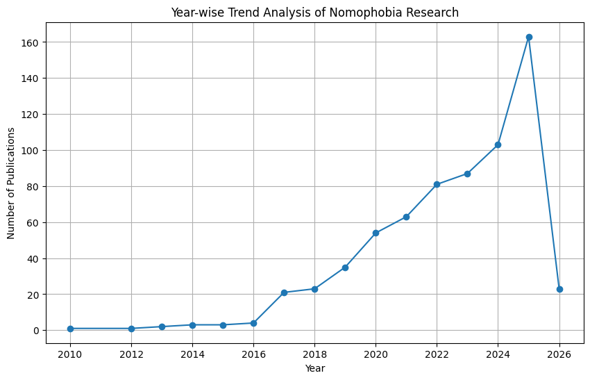
RQ1. What is the number of research studies published from 2010 to 2026 (March) in the field of nomophobia?
RQ2. What are the keywords most frequently used to identify the aspects of nomophobia?
RQ3. Which countries, institutions, and authors, together with their co-authors, demonstrate the highest research productivity and citation impact in the nomophobia literature?
RQ4. Which sources, documents, and organisations most substantially serve as the core knowledge base for nomophobia research?
Aims and objectives of the study
The first objective is to study the trend of research on nomophobia in relation to the evolution of time and year. The second is to discuss and characterise the specific keywords frequently used to study the various aspects of nomophobia research. The third is to analyse the authors, co-authors, and countries that have contributed most substantially to the field of nomophobia research. The fourth is to describe the sources, documents, and organisations that have contributed to the field of research related to nomophobia.
Methodology of the study
This study is descriptive in nature and is based on secondary data. Data collection on 9 March 2026 yielded 677 nomophobia records from Scopus, which were saved as a CSV file and processed in VOSviewer (version 1.6.20) to generate the bibliometric maps that answer the research questions. The collected information was analysed in the form of several visualisations relating to keyword frequency, author citation impact, co-author citation impact, country citation impact, the authenticity of sources and documents, and the collaborative networks of different organisations, in order to chart the growth and significant impact of the field of nomophobia. Several factors are responsible for the influential behavioural syndrome that affects nomophobia, including the physiological and psychological factors that shape its influence.
| Rank | Keyword | Frequency |
|---|---|---|
| 1 | Nomophobia | 460 |
| 2 | Smartphone | 90 |
| 3 | Anxiety | 65 |
| 4 | Smartphone Addiction | 57 |
| 5 | Addiction | 49 |
| 6 | Students | 31 |
| 7 | Loneliness | 29 |
| 8 | Depression | 29 |
| 9 | Mental Health | 27 |
| 10 | University Students | 27 |
| 11 | Nursing Students | 27 |
| 12 | Adolescents | 26 |
| 13 | Smartphones | 26 |
| 14 | Mobile Phone | 25 |
| 15 | Social media | 24 |
| 16 | Phubbing | 22 |
| 17 | Stress | 21 |
| 18 | Internet Addiction | 21 |
| 19 | Mobile Phone Addiction | 21 |
| 20 | Internet | 21 |
The data were collected from the Scopus database accessed through Assam University, Silchar, and the CSV file enabled the creation of tabular formats, trend analysis, and graphical representation of the data set in order to fulfil the specific objectives and outcomes of the study.
Year-wise trend analysis of research related to nomophobia
The publication analysis shows a decade-long growth curve. Between 2010 and 2016, output ranged from one to four papers per year, reflecting an emerging field. In 2017, output reached 21 papers, the first surge, followed by 35 papers in 2019 and 54 papers in 2020, a steady rise. Trend analysis from 2021 to 2024 shows output increasing from 63 to 103 papers, making nomophobia a multidisciplinary topic spanning psychology, education, health, and communication. Peak output reached 163 papers in 2025, signalling growing concern over smartphone dependence among youth. The 2026 count of 23 papers is incomplete owing to pending Scopus indexing. The overall trend indicates a continuous expansion of nomophobia research from a niche to a mainstream field that studies smartphone dependency and its mental health effects. The apparent reduction in the 2026 publication rate may be attributable to incomplete data collection or to papers being withdrawn from the Scopus database. As a whole, however, it can be generalised that researchers have already become attentive to a developing and emerging issue that carries a negative impact arising from modern technological growth in the twenty-first century lifestyle and from a high dependency on smartphone activities, which may produce physiological and psychological effects in daily life.
Frequency of keywords in nomophobia research
The keyword analysis shows that nomophobia is the principal focus of research in this field, appearing in 460 publications. Other commonly used keywords, such as smartphone, smartphone addiction, addiction, and mobile phone addiction, suggest that studies on nomophobia are closely linked to concerns about excessive smartphone use and technology-related addictive behaviours. The frequent use of terms such as anxiety, depression, stress, and mental health indicates that many researchers are interested in understanding how smartphone dependence affects psychological well-being. In addition, keywords such as students, university students, nursing students, and adolescents show that most studies have focused on young people, particularly those in educational settings. Overall, the findings suggest that nomophobia research mainly explores the relationship between smartphone use, mental health issues, and the experiences of student and youth populations.
The following table shows the author keywords ranked by the total number of citations received by the publications in which they appeared.
| Rank | Keyword | Total Citations |
|---|---|---|
| 1 | Nomophobia | 7,601 |
| 2 | Smartphone Addiction | 2,283 |
| 3 | nomophobia* | 1,612 |
| 4 | Smartphone | 1,586 |
| 5 | Addiction | 1,510 |
| 6 | Anxiety | 1,180 |
| 7 | Social Networking Sites | 1,159 |
| 8 | Mobile Phone | 1,120 |
| 9 | Social Media | 1,113 |
| 10 | FOMO (Fear of Missing Out) | 1,060 |
| 11 | Internet Addiction | 1,013 |
| 12 | Dating | 962 |
| 13 | Gaming | 962 |
| 14 | Microblogging | 962 |
| 15 | Recommendations | 962 |
| 16 | Situational Phobia | 829 |
| 17 | Panic | 725 |
| 18 | NMP-Q | 709 |
| 19 | Nomophobia Questionnaire | 672 |
| 20 | Adolescents | 662 |
| Period | Main Research Topics | What Researchers Mainly Studied |
|---|
| 2010-2014 | Nomophobia, Mobile Phone | Research in this timeframe completely rivet on understanding and defining nomophobia as the fear or anxiety of being without a mobile phone. |
|---|
| 2015–2017 | Nomophobia, Smartphone, Students | Studies increasingly examined smartphone use among students and explored how nomophobia was developing within educational settings. |
|---|
| 2018–2020 | Smartphone Addiction, Anxiety, Internet Addiction | Researchers shifted their attention to the psychological effects of excessive smartphone use, particularly addiction, anxiety, and internet-related behavioral problems. |
|---|
| 2021–2023 | Mental Health, Depression, Social Media, Phubbing | The focus expanded to broader mental health concerns, including depression, social media use, and the impact of phubbing on interpersonal relationships. |
|---|
| 2024–2025 | Anxiety, Students, Social Media, Phubbing, Internet Addiction | Recent studies have concentrated on the relationship between digital behavior and psychological well-being, examining anxiety, academic performance, social media engagement, and internet addiction among students. |
|---|
| Keyword | Peak Year | Frequency |
|---|---|---|
| Nomophobia | 2025 | 112 |
| Smartphone Addiction | 2021 | 13 |
| Anxiety | 2025 | 24 |
| Depression | 2024 | 8 |
| Social Media | 2025 | 13 |
| Internet Addiction | 2025 | 10 |
| Phubbing | 2025 | 12 |
| Students | 2025 | 37 |
The citation analysis of keywords shows that nomophobia is the most influential topic in the research literature, receiving a total of 7,601 citations. Other highly cited keywords, including smartphone addiction, smartphone, addiction, and anxiety, indicate a strong connection between nomophobia, excessive technology use, and psychological well-being. The frequent citation of terms such as social media, social networking sites, fear of missing out (FOMO), and internet addiction reflects a growing body of research highlighting the effects of digital technologies on mental health and social behaviour. Taken together, the evidence demonstrates that nomophobia research is multidisciplinary, drawing attention from fields such as psychology, education, communication, and public health.
A. Keyword evolution by year and the most active years for major keywords
The keyword evolution analysis shows how research on nomophobia has developed over time. Between 2010 and 2018, the study of nomophobia was largely confined to excessive smartphone use and internet addiction. From 2021 onwards, the nature of the research was transformed in an interdisciplinary direction, addressing mental, sociological, and psychological issues related to phubbing, depression, anxiety, and mental well-being.
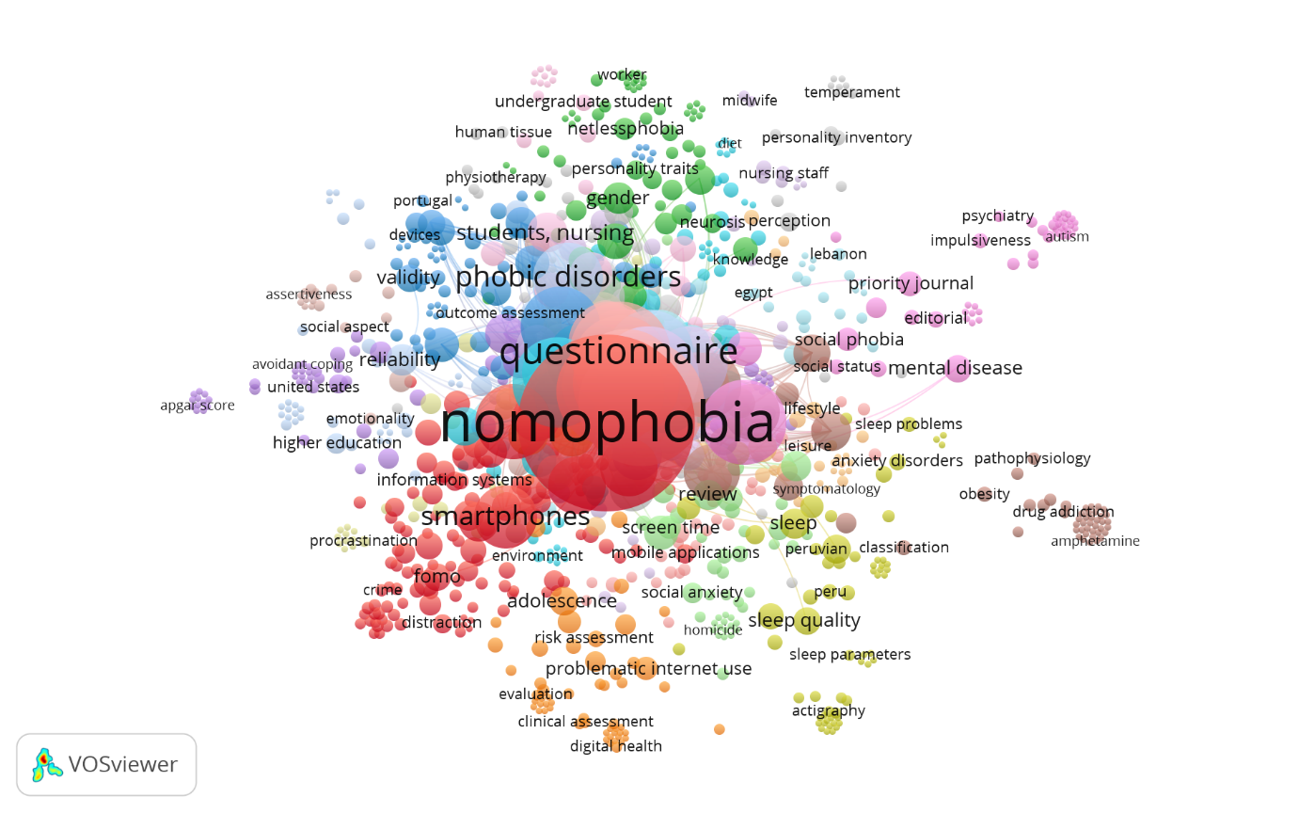
The keyword co-occurrence map provides a clearer understanding of the subsets of the nomophobia syndrome, illustrated through different colours and conventions. The varying sizes, colours, and shapes of the clusters reflect the emerging co-occurrence relationships surrounding nomophobia, which is developing strongly as a field. In the visualisation generated by VOSviewer, nomophobia is distinctly represented, allowing its co-existence with other keywords to be clearly identified. The co-occurrence of the keyword “questionnaire” reflects the validation of measurement tools through questionnaires designed to gauge the intensity of nomophobic behaviour across different sample groups.
The clusters are distinguished by vibrant colours, each corresponding to a specific theme of nomophobic behaviour. The red cluster denotes FOMO and the smartphone-addictive behaviour of adolescents. The cluster adjoining the red one contains keywords such as mental disease, psychiatry, autism, impulsiveness, and social phobia, clearly indicating a strong scholarly interest in relating nomophobia to various psychological and psychiatric conditions. The blue cluster signifies the assessment of psychological and behavioural outcomes through validity, reliability, and outcome assessment. The green cluster highlights the relationship between nomophobia and categorical variables, specifically gender, different sample groups such as undergraduate students and other workers, and their personality traits. The yellow cluster indicates the effect of nomophobia on sleep, namely sleep deprivation and sleep quality, which are triggered by extensive attachment to mobile phones. The orange cluster focuses on health-related issues arising from technological dependency in the digital era, as well as on risk assessment closely associated with attention span, quality of life, and mental wellness.
Overall, the network demonstrates that nomophobia research is highly interdisciplinary. The connections among keywords drawn from psychology, psychiatry, education, public health, digital health, and the behavioural sciences show that researchers are examining the phenomenon from multiple perspectives in order to understand its causes, effects, and implications more fully.
Distribution of authors who contributed most substantially to nomophobia research
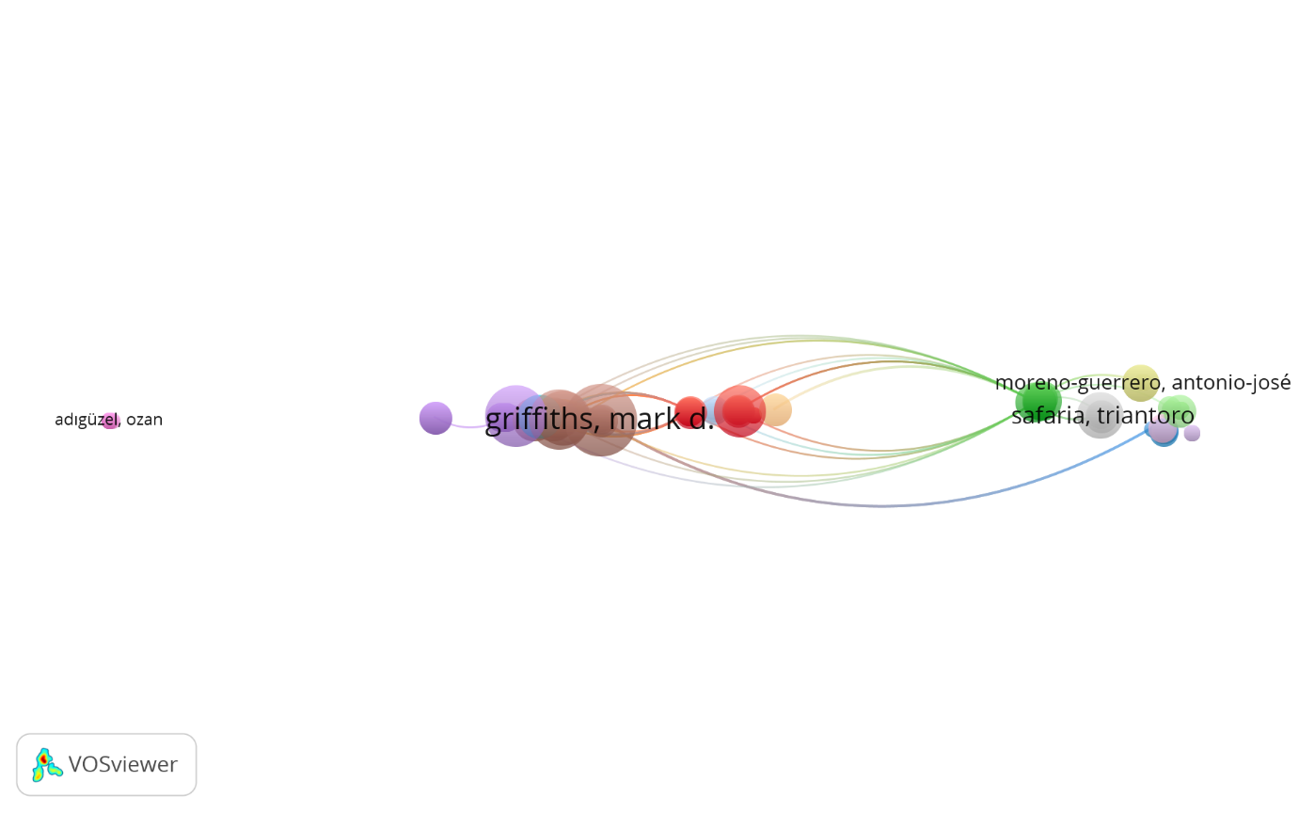
Of 2,293 authors, only 493 were found to be substantially connected and associated with one another in the field of nomophobia research. The remainder were observed to be disconnected from one another and so did not form part of the associated structure of this emerging trend of study. Mark D. Griffiths has made a remarkable contribution to the field, and the cluster represents his extensive influence, large-scale citation, and strong network with other authors whose notable work relates to digital networks and the high dependency on smartphone connectivity, with a focus on nomophobic behaviour. Two further authors, Triantoro Safaria and his collaborators, also play a pivotal role in the field and maintain an influential network with other authors. Similarly, Antonio-José Moreno-Guerrero is positioned close to Safaria and exhibits strong citation connections, highlighting his importance within the field. One study appears to deviate from the main structure and reflects a relatively sparse authorship network, associated with Ozan Adıgüzel.
Distribution of the co-author network in nomophobia research
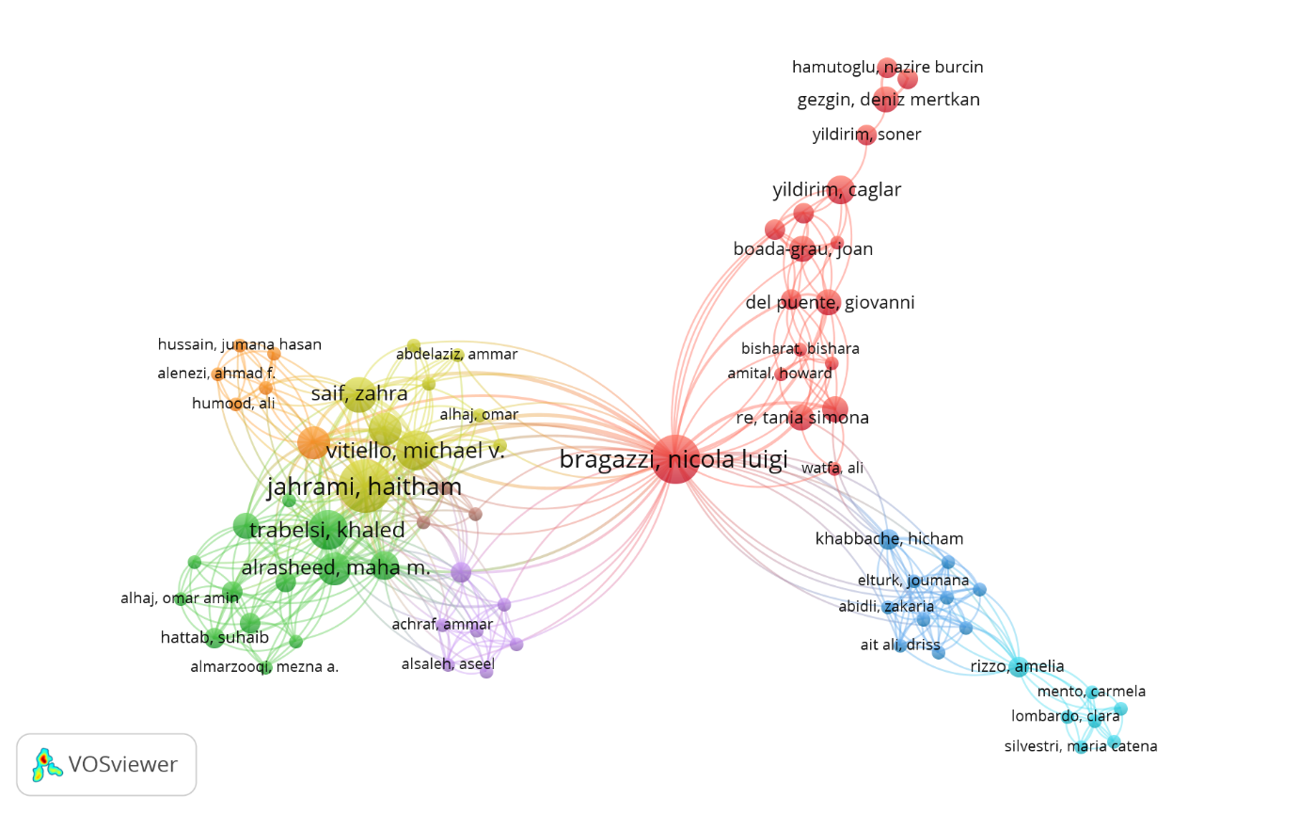
The co-authorship network indicates that, out of 1,000 authors, only 73 maintain a strong, established collaborative network among themselves. The vibrant colours of the clusters signify the division of the network into a main theme and sub-themes, distinctly reflecting the numerous interdisciplinary strands of research in this area. Nicola Luigi Bragazzi appears as a connecting link, forming a strong networking bond through which a large number of authors cite work on nomophobia.
Other highly collaborative authors include Haitham Jahrami, Michael V. Vitiello, Khaled Trabelsi, and Zahra Saif, who form a large interconnected cluster on the left side of the map, signifying a strong collaboration network in this field with particular reference to behavioural changes arising from smartphone addiction.10 A red cluster is centred on Nicola Luigi Bragazzi and includes authors such as Tania Simona Re, Giovanni Del Puente, Joan Boada-Grau, and Çağlar Yıldırım, while a blue cluster includes authors such as Hicham Khabbache, Joumana Elturk, Zakaria Abidli, and Amelia Rizzo, indicating a strong network of co-authorship within specific sub-themes of the nomophobia behavioural syndrome.
Country-wise citation impact in nomophobia research
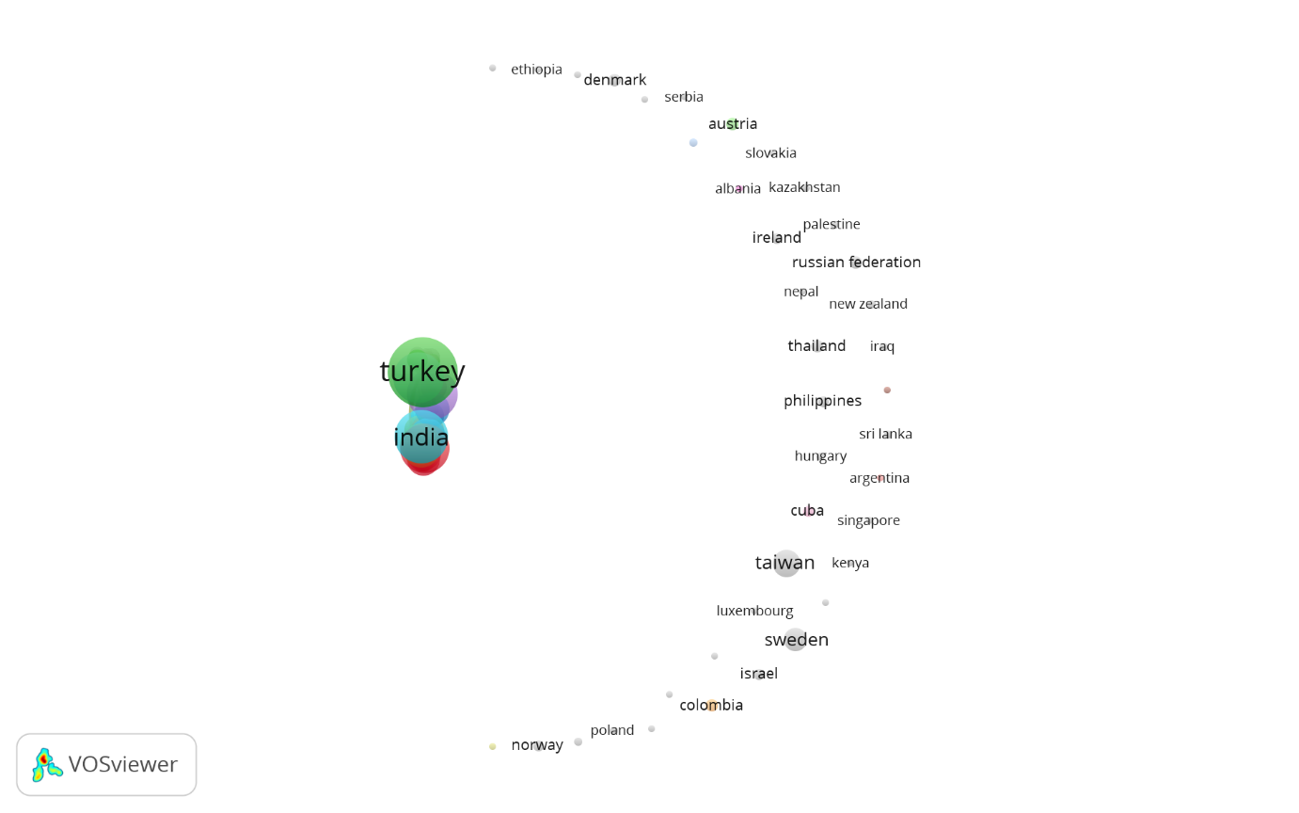
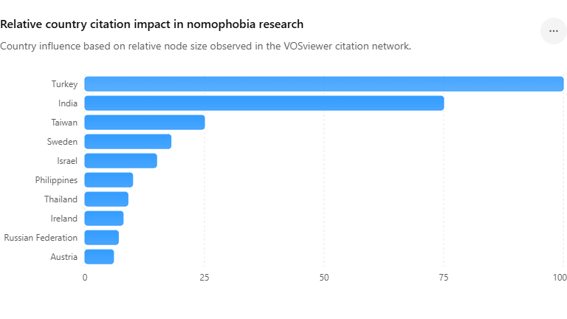
The country-wise distribution of research on nomophobia indicates that output is large and highly concentrated in Turkey and India. It may be inferred that the substantial research output on smartphone dependency and the addictive behaviour associated with nomophobia constitutes a major share of the scholarly articles cited in Scopus-indexed journals. Taiwan, Sweden, Israel, the Philippines, Thailand, and Ireland demonstrate moderate citation influence. These countries have helped raise nomophobia research to a global level, even though the number of studies originating within them remains lower than that of Turkey and India.
Austria, Denmark, Serbia, Ethiopia, Slovakia, Kazakhstan, Palestine, Nepal, New Zealand, Iraq, Sri Lanka, Argentina, Singapore, Kenya, Luxembourg, Colombia, Poland, and Norway show comparatively lower citation counts and research output in the field of nomophobia.
Documents most cited in nomophobia research
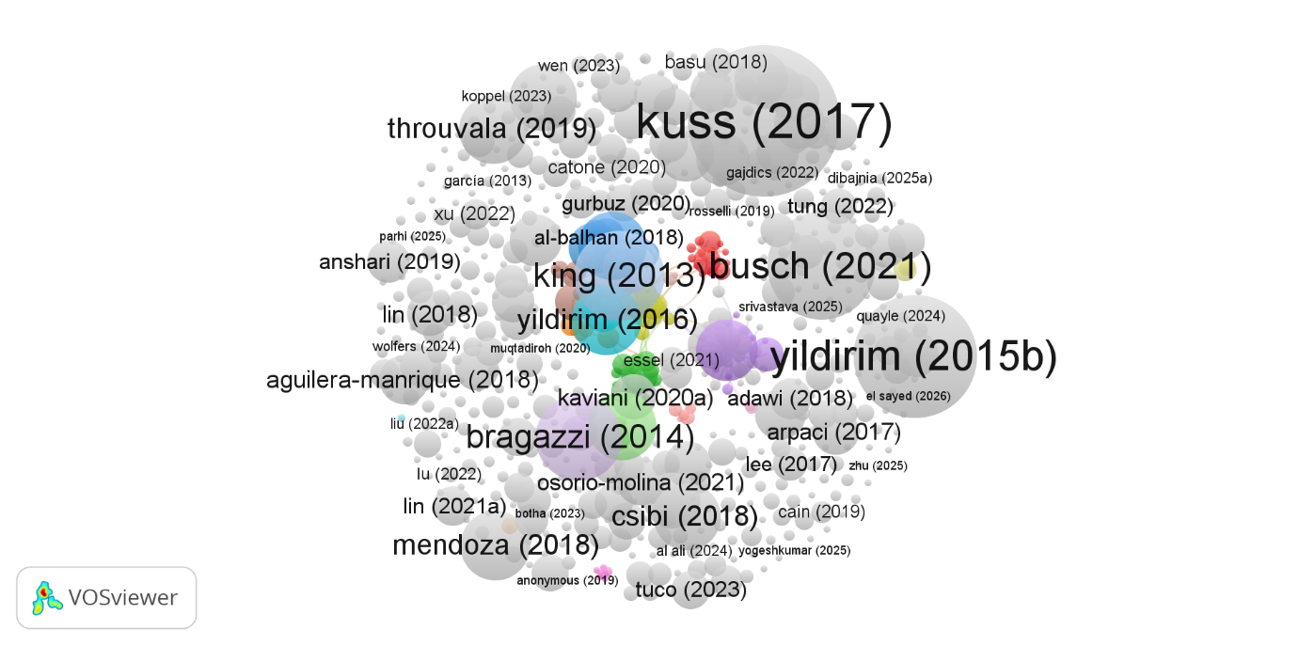
The analysis of the citation network reveals that the study by Kuss and Griffiths is the most prominent in the field, receiving the highest number of citations among all publications.11 Other key studies, including Yildirim and Correia, King and others, and Bragazzi, together with Rodríguez-García and others, Yildiz Durak, Peris and others, and Kaviani and others, appear to occupy intermediate positions in the network and have played an important role in the development of nomophobia research. These highly cited publications provide the theoretical foundations and research frameworks that serve as a guide for further studies on nomophobia, smartphone addiction, and digital technology use. The strong citation connections clearly indicate a quality of research in this area that helps to investigate the psychological and behavioural impact of smartphone dependence.
Other influential works in the field have explored related themes such as smartphone addiction, mental health issues, social media engagement, sleep quality, and problematic internet use. This pattern highlights the increasing academic interest in understanding the broader psychological, behavioural, and health-related effects of excessive smartphone dependence.
Based on the document type field in the Scopus dataset, the distribution of publication types is as follows. The document type analysis shows that journal articles are the most common form of publication in nomophobia research, with 569 articles accounting for 85.31 per cent of the total records. This indicates that the field is largely supported by original research studies published in peer-reviewed journals. Conference papers account for 26 publications (3.90 per cent), suggesting that researchers also share their findings through academic conferences, though to a limited extent. Review articles contribute 24 publications (3.60 per cent). Other publication types, such as book chapters, letters, editorials, data papers, errata, notes, and conference reviews, represent only a small portion of the literature. The results suggest that nomophobia research has developed into a well-established field, with most studies published in peer-reviewed journals.
| Document Type | Number of Documents | Percentage (%) |
|---|---|---|
| Article (Full Research Papers) | 569 | 85.31 |
| Conference Paper | 26 | 3.90 |
| Review Article | 24 | 3.60 |
| Book Chapter | 21 | 3.15 |
| Letter | 9 | 1.35 |
| Editorial | 6 | 0.90 |
| Data Paper | 5 | 0.75 |
| Erratum | 3 | 0.45 |
| Note | 2 | 0.30 |
| Conference Review | 2 | 0.30 |
| Total | 667 | 100 |
Organisations most cited and most influential in nomophobia research
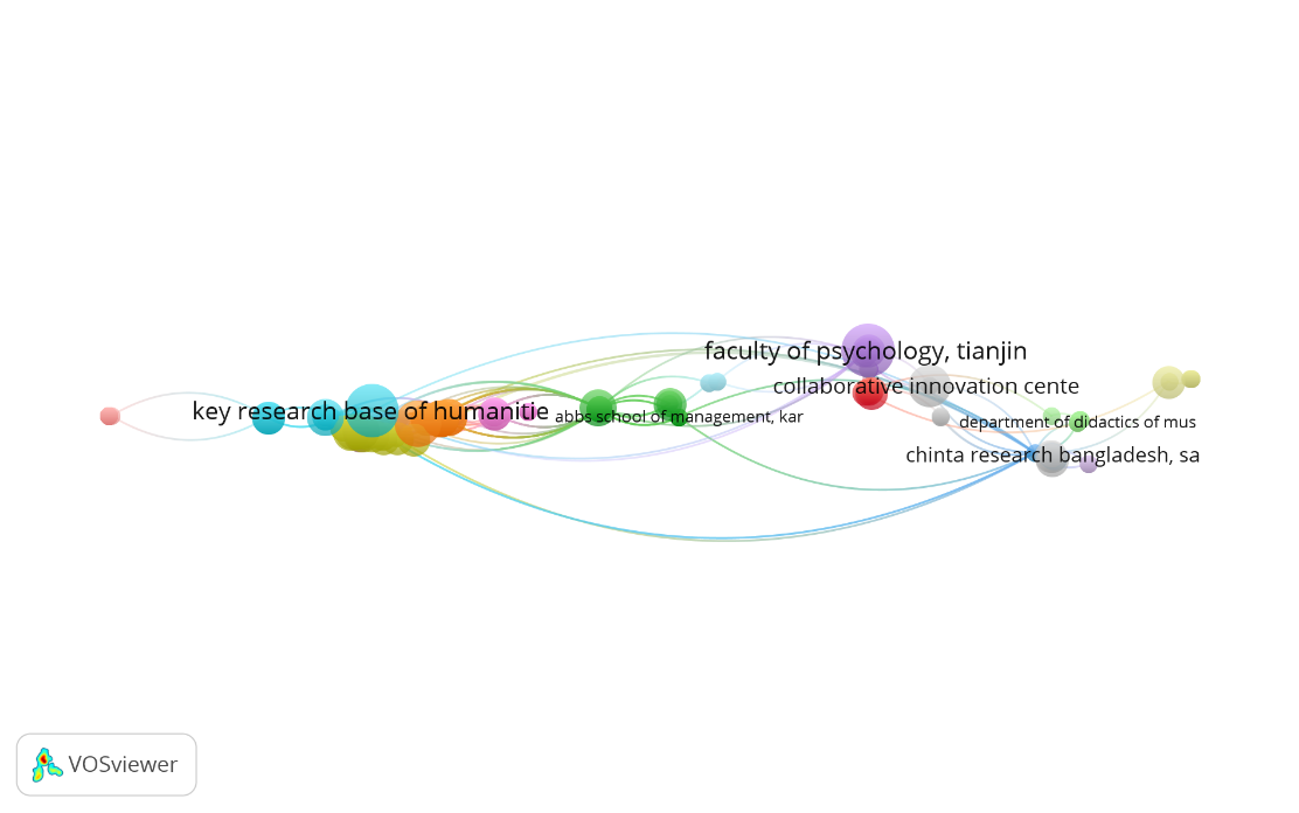
The organisation identified as Key Research Based Humanities serves a pivotal role in establishing collaborative research links with other renowned organisations for the expansion of knowledge in the field of nomophobia. The Faculty of Psychology at Tianjin appears as a major collaborator, indicating its active involvement in research partnerships and a strong contribution to the field. Similarly, the Collaborative Innovation Centre plays a significant role in creating links between institutions for collaborative research. The Abbs School of Management and Chinta Research Bangladesh occupy notable positions within the network, indicating their contribution to interdisciplinary research related to smartphone use, digital behaviour, and psychological well-being. Smaller institutions appear with fewer collaborative links and more localised research activity.
Sources most cited and most influential in nomophobia research
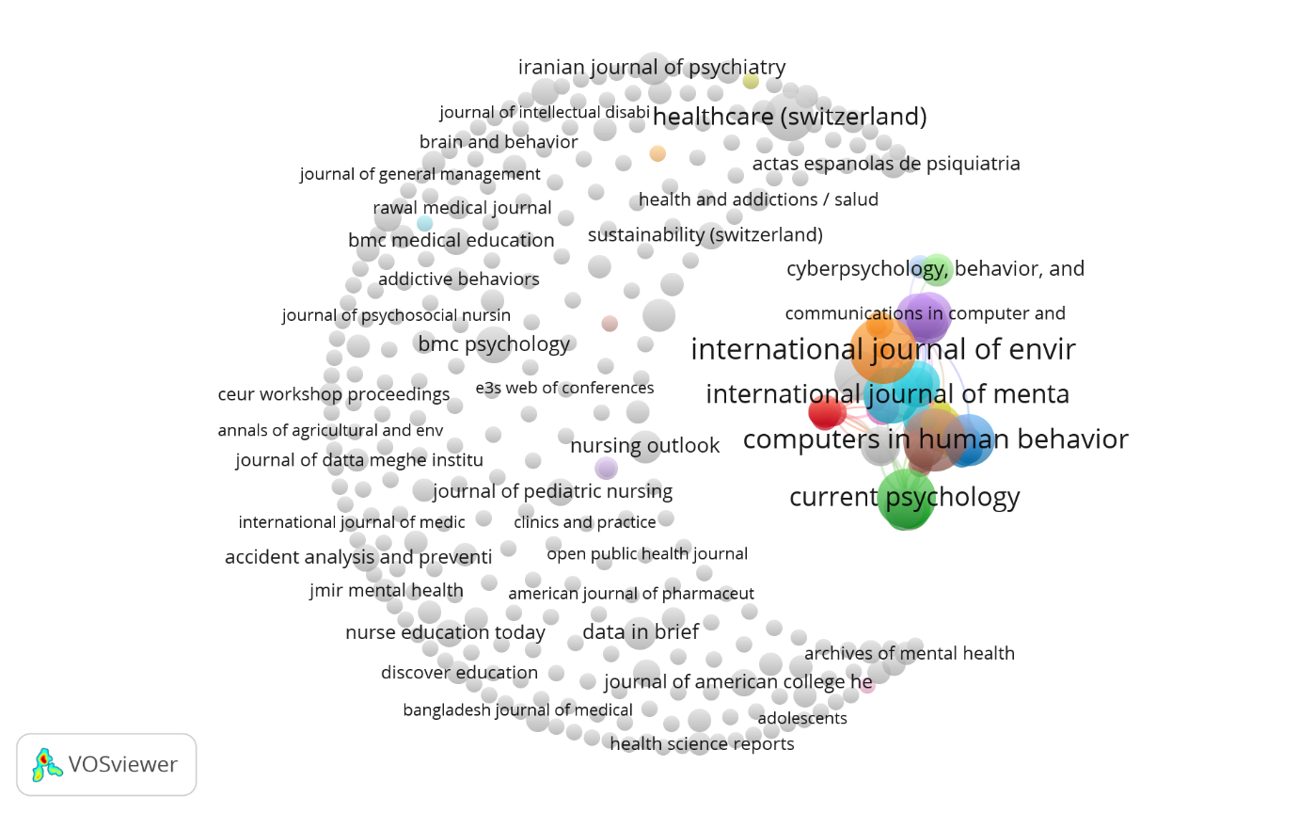
The analysis shows that Computers in Human Behavior, the International Journal of Environmental Research and Public Health, and the International Journal of Mental Health and Addiction are among the leading journals in nomophobia research. These journals have received the highest number of citations, occupy central positions in the citation network, and play an important role in advancing knowledge in this field. Other influential journals, such as Current Psychology, Cyberpsychology, Behavior, and Social Networking, and Healthcare, have also made significant contributions to studies on smartphone addiction, mental health, and digital behaviour. Overall, the findings demonstrate that nomophobia research is multidisciplinary in nature, particularly in psychology, public health, the behavioural sciences, nursing, and technology-related fields.
Conclusion
This bibliometric study shows that a wide-ranging field of research on nomophobia has developed and evolved over time, as reflected in the publications indexed in Scopus. The results show a marked increase in the number of studies, especially after 2017, indicating growing interest in the topic. This rise in research reflects increasing concern about the psychological, behavioural, and social effects associated with excessive smartphone use and dependence in today’s digitally connected world.
The findings show that nomophobia has developed into a broad and multidisciplinary area of research that draws attention from fields such as psychology, public health, the behavioural sciences, education, nursing, and technology studies. As smartphones and digital technologies become an integral part of daily life, understanding their impact on individuals’ well-being will remain an important research trend. Future research should explore long-term trends, compare findings across different cultures and populations, develop effective intervention strategies, and examine the psychological consequences of smartphone dependence in order to gain a deeper understanding of this growing phenomenon.
*****
Footnotes
1. Sandeep Bhattacharya, Md. Abu Bashar, Abhishek Srivastava & Amarjeet Singh, NOMOPHOBIA: No Mobile Phone Phobia, 8 J. Fam. Med. & Primary Care 1297, 1297 (2019).
2. Id. at 1297.
3. Id.
4. Mehmet Kara, High School Intensity of Mobile Social Media and Nomophobia: Investigating the Mediating Role of Flow Experience, 8 Participatory Educ. Rsch. 409, 409 (2021).
5. Ibrahim Arpaci & Sakine Gundogan, Mediating Role of Psychological Resilience in the Relationship Between Mindfulness and Nomophobia, 48 Brit. J. Guid. & Couns. 782, 782 (2020).
6. Emanuele Vitale, No Mobile Phone Phobia Among Young Italian Nurses During the COVID-19 Pandemic: A Cohort Observational Study Based on Gender, Age, Work Experience and Shiftwork, 8 Italian J. Gender-Specific Med. 97, 97 (2022).
7. Sandeep Bhattacharya, Md. Abu Bashar, Abhishek Srivastava & Amarjeet Singh, supra note 1, at 1298.
8. Caglar Yildirim & Ana-Paula Correia, Exploring the Dimensions of Nomophobia: Development and Validation of a Self-Reported Questionnaire, 49 Computs. Hum. Behav. 130, 132 (2015).
9. Triantoro Safaria, Nina Eka Saputra & Diah Putri Arini, Data on the Model of Loneliness and Smartphone Use Intensity as a Mediator of Self-Control, Emotion Regulation and Spiritual Meaningfulness in Nomophobia, 49 Data in Brief 109479 (2023).
10. Haitham Jahrami, Feten Fekih-Romdhane, Zahra Saif, Nicola Luigi Bragazzi, Seithikurippu R. Pandi-Perumal, Ahmed S. BaHammam & Michael V. Vitiello, A Social Media Outage Was Associated with a Surge in Nomophobia, and the Magnitude of Change in Nomophobia During the Outage Was Associated with Baseline Insomnia, 4 Clocks & Sleep 508, 508 (2022).
11. Daria J. Kuss & Mark D. Griffiths, Social Networking Sites and Addiction: Ten Lessons Learned, 14 Int’l J. Env’t Rsch. & Pub. Health 311, 311 (2017).